Intel’s next move in the handheld gaming PC space may be coming into focus, thanks to a fresh leak tied to its upcoming Panther Lake era. Not long after Intel presented its broader Panther Lake lineup, chatter surfaced about two additional chips that weren’t shown: G3 and G3 Extreme. Their unusual branding immediately suggested a clear goal—taking on AMD’s Ryzen Z2 series, which is quickly becoming the go-to silicon for newer handhelds.
Now one of those rumored processors has seemingly appeared online via a CPU-Z screenshot shared by an X leaker known as @9550Pro. The screenshot claims to show an Intel Core G3 Extreme, and the listed specifications are intriguing. It’s shown with 14 CPU cores split across three types: 2 performance cores (P-cores), 8 efficiency cores (E-cores), and 4 low-power efficiency cores (LPE-cores). That core layout doesn’t match typical Panther Lake entries we’ve seen so far, which is why many are interpreting it as a power-tuned, cut-down variant of a higher-tier chip—possibly designed specifically for handheld gaming devices where battery life and thermal limits are everything.
According to the screenshot, the chip boosts up to 4.7 GHz and includes 18 MB of L3 cache. On paper, that combination could make for a compelling handheld processor: high burst performance for games, extra efficiency cores for background tasks, and low-power cores to stretch battery while idling or doing light workloads.
But there’s a catch: not everyone believes the listing is real.
A well-known Intel-focused insider, Jaykihn, has publicly called the CPU-Z listing fake. The claim is that the actual product name isn’t “Core G3 Extreme” at all—it’s reportedly “Intel Arc G3 Extreme.” Jaykihn also suggests the real Arc G3 Extreme would still boost to 4.7 GHz, but would come with only 12 MB of L3 cache, not 18 MB. In that telling, the leaked screenshot is allegedly a spoofed result based on a different processor profile (specifically described as a disguised Core Ultra X7 358H).
Whether the screenshot is authentic or not, the broader rumor around Arc G3 and Arc G3 Extreme remains consistent in one key area: the graphics.
The biggest difference between the Arc G3 Extreme and the standard Arc G3 is expected to be the integrated GPU configuration. The Extreme version is tipped to include an Arc B380 iGPU with 12 Xe cores, while the non-Extreme model may use an Arc B360 iGPU with 10 Xe cores. If accurate, that would make the two chips fairly close overall, with the “Extreme” branding mainly bringing a stronger iGPU for higher frame rates or better performance at the same power level.
That’s precisely why these chips could matter. Handheld gaming PCs live and die by efficiency and integrated graphics performance, and Intel appears to be positioning Arc G3-class silicon as a direct challenger to AMD’s Ryzen Z2 lineup. Even small GPU gains can translate into noticeably smoother gameplay on a 1080p or 800p handheld display, especially in modern titles where iGPU headroom is tight.
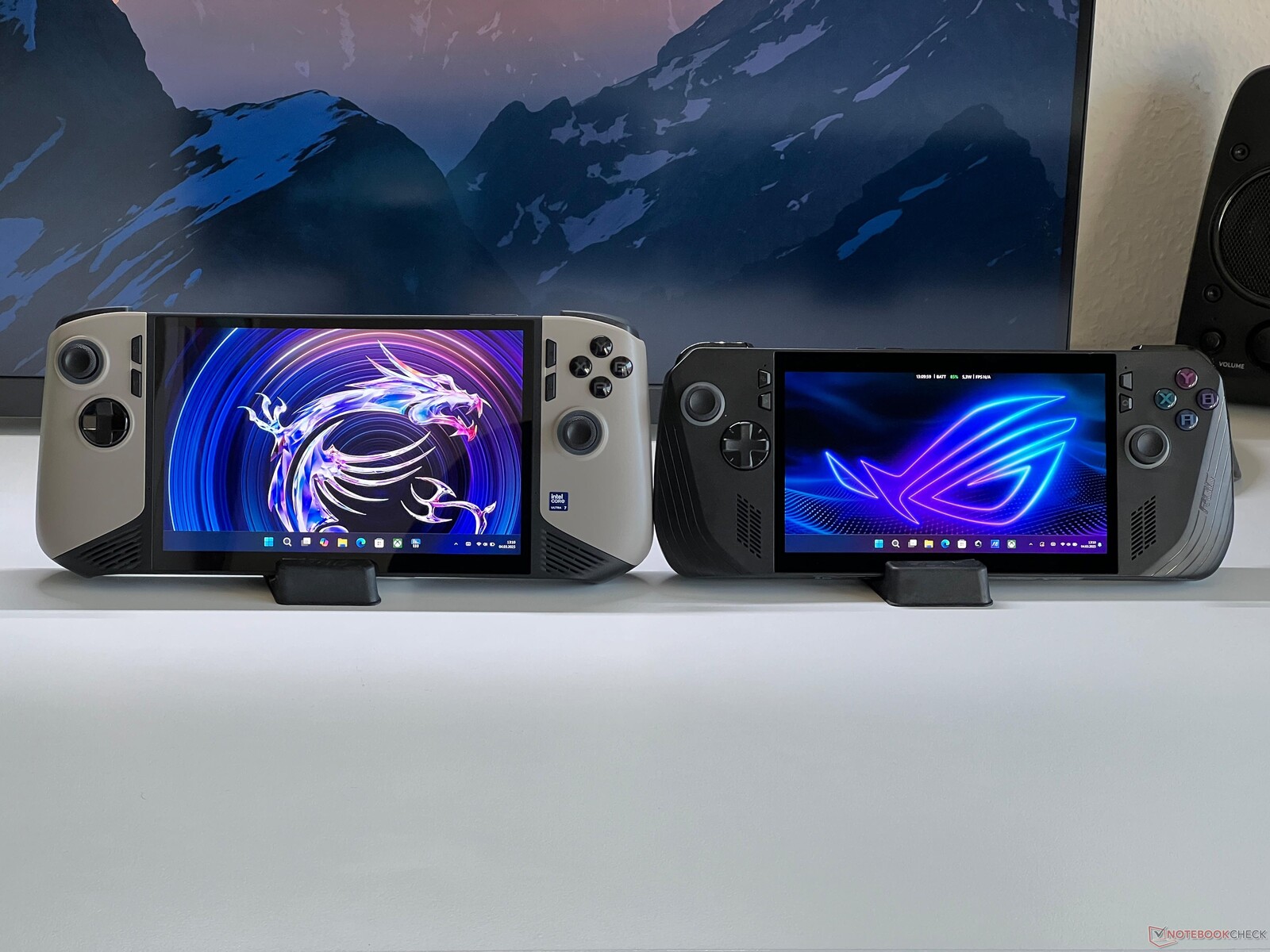
As for timing, current expectations point to Intel unveiling Arc G3 and Arc G3 Extreme sometime in Q2 2026. Which handhelds will use them is still unknown, but one potential landing spot is MSI’s Claw line. MSI has already shipped versions of the Claw on Intel platforms, making it a logical candidate for Intel’s next handheld-focused processor—especially now that AMD-powered options are already in circulation and comparisons are inevitable.
For now, the biggest unanswered questions are simple: what’s real, what’s mislabeled, and how soon will Intel confirm the Arc G3 family? If the Q2 2026 window holds, we may not have to wait long to see whether Intel can genuinely pressure AMD in the next wave of handheld gaming hardware.