Google Wear OS 7 is shaping up to be a major upgrade for smartwatch users, with a strong focus on longer battery life, smoother performance, smarter app integration, and a more consistent fitness experience across devices.
One of the biggest improvements in Wear OS 7 is deeper system standardization. This means workout apps will be able to use Google’s built-in interface elements and core technology, helping create a more familiar experience no matter which fitness app you choose. For users, that could make everyday features such as heart rate tracking, workout controls, and music playback feel more reliable and consistent during exercise.
This change could be especially useful for people who switch between multiple health and fitness apps. Instead of each app handling workout features differently, Wear OS 7 gives developers the option to align their apps more closely with Google’s own system tools. The result should be a cleaner, easier-to-use experience when starting a run, tracking gym sessions, or controlling music while exercising.
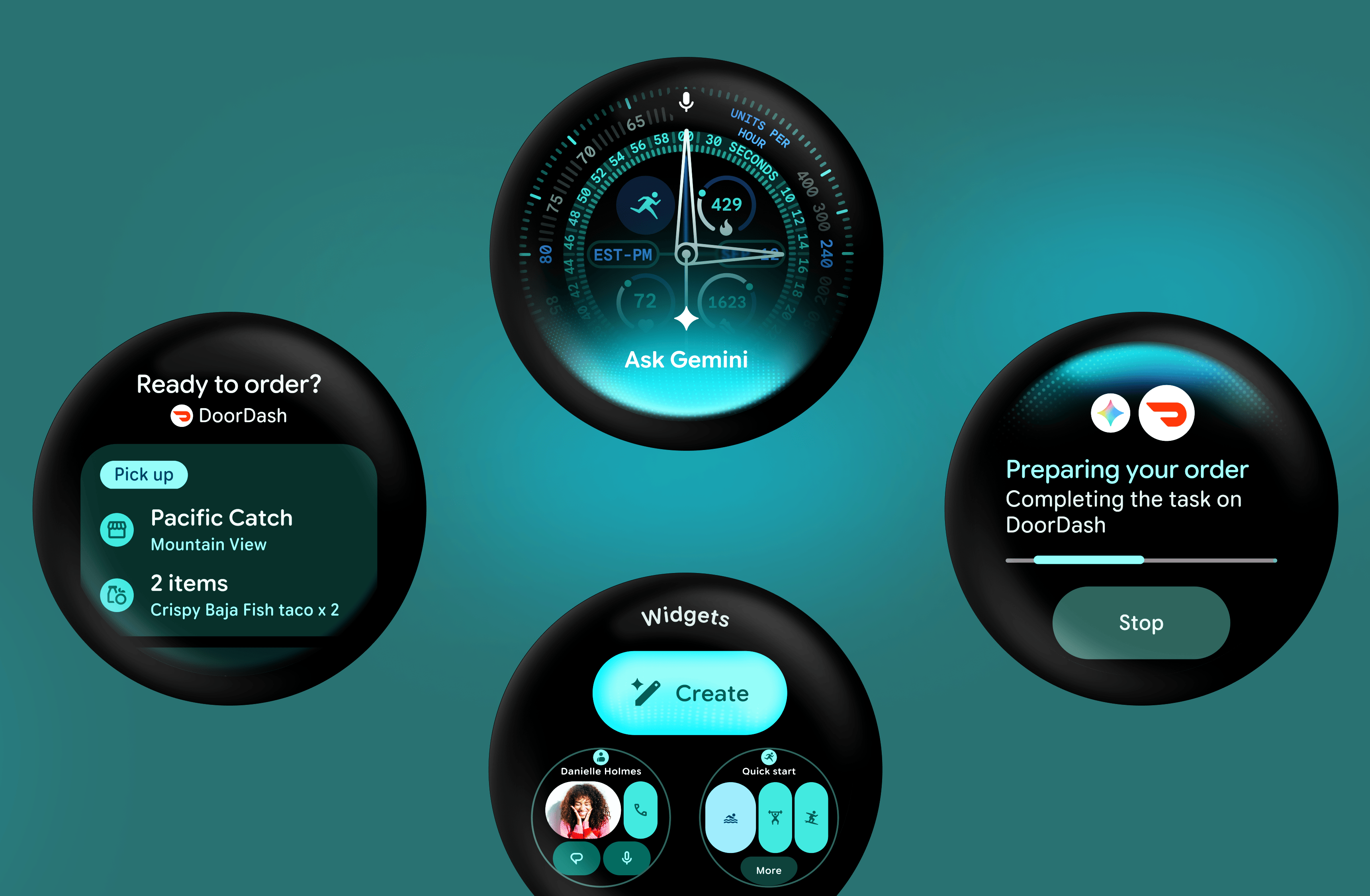
Wear OS 7 also brings new possibilities through Gemini integration. A Gemini API will allow third-party apps to connect with Google’s AI assistant, making it possible to control supported apps using voice commands. This could make Wear OS smartwatches more helpful in hands-free situations, such as checking information, launching app features, or managing tasks directly from the wrist.
Music and audio playback are also getting attention in the update. The music player in Wear OS 7 will support new options for streaming audio to multiple devices using Google Cast or Bluetooth. This could make it easier to move audio between earbuds, speakers, and other supported devices, giving users more flexibility when listening to music, podcasts, or workout playlists.
Another important improvement is watch face development. Wear OS 7 is expected to make it easier for developers to create watch faces, which could lead to a wider selection of designs in the future. For smartwatch owners, this means more personalization options, whether they prefer a clean minimal look, detailed fitness stats, colorful animations, or classic analog-style faces.
Beyond the larger features, Wear OS 7 will include a range of smaller refinements to performance and the user interface. These improvements may not always be obvious at first glance, but they can make a big difference in daily use. Faster response times, smoother navigation, better app behavior, and improved visual consistency can all help make a smartwatch feel more polished.
Battery life is another key area of focus. While exact improvements may vary depending on the smartwatch model and usage habits, Wear OS 7 is designed with efficiency in mind. Better optimization could help users get more time between charges, which remains one of the most important features for anyone using a smartwatch throughout the day and night.
Overall, Wear OS 7 appears to be a meaningful step forward for Google-powered smartwatches. With better fitness app consistency, smarter AI assistant support, improved audio streaming, easier watch face creation, longer battery life, and general performance upgrades, the update could make Wear OS devices more practical, personal, and enjoyable to use every day.