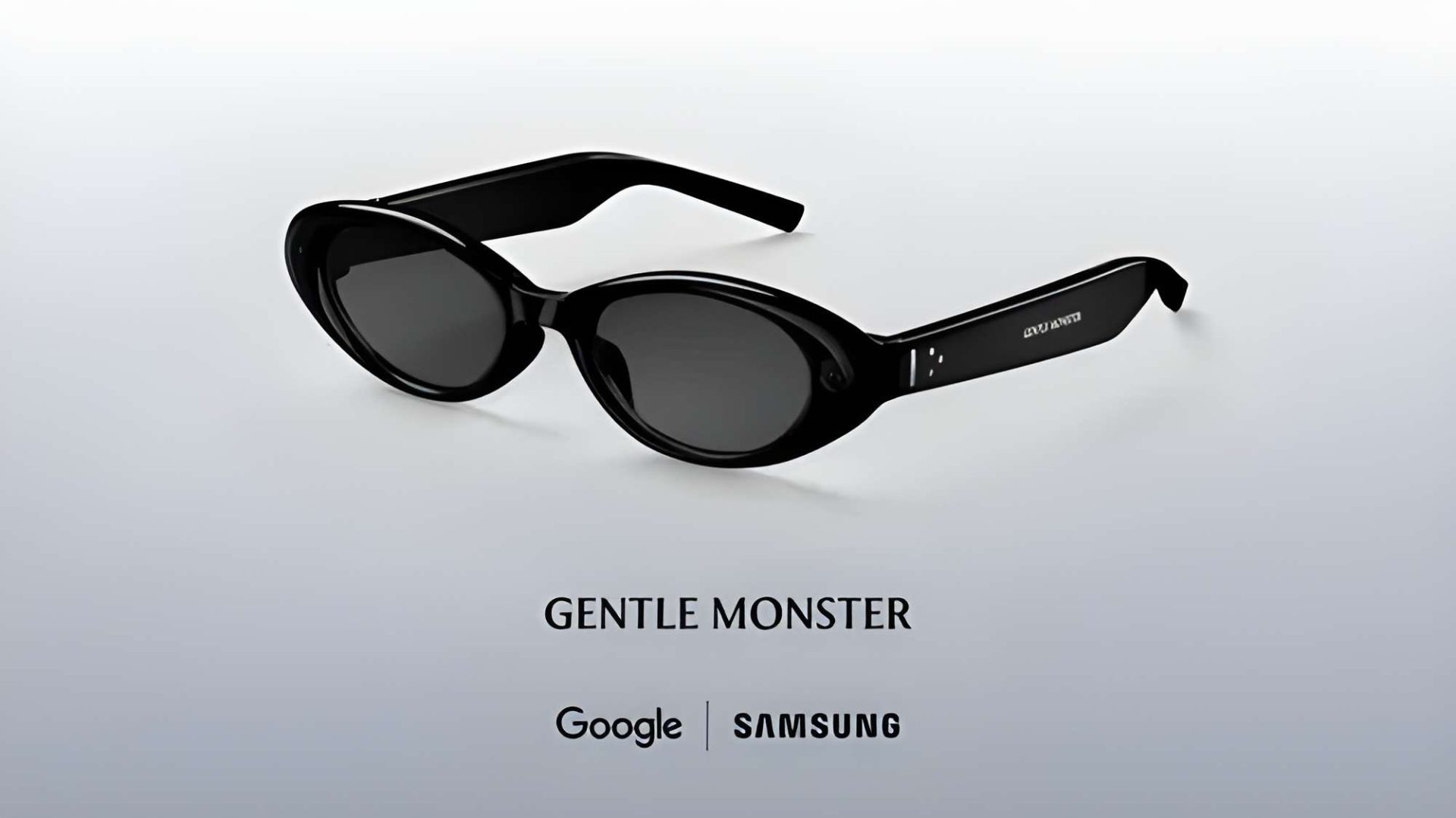
Google Audio Glasses bring Gemini AI to a stylish Android XR wearable
Google used its I/O event to showcase several major announcements, but one of the most eye-catching reveals was its new Android XR-powered Google Audio Glasses. Designed as a lightweight, stylish companion for Gemini, the smart glasses aim to bring Google’s AI assistant into everyday life in a more natural and hands-free way.
Expected to arrive this fall, Google Audio Glasses combine fashion-focused design with practical AI features. The frames are being developed with help from Samsung, while Gentle Monster and Warby Parker are contributing to the overall look and style. Google also confirmed that the glasses will work with both Android and iOS devices, making them accessible to a wider range of users.
At first glance, the glasses appear minimal and understated, but Google is packing them with a wide range of Gemini-powered capabilities. Users can interact with the glasses by tapping the side of the frame or simply saying “Hey Google” to ask questions, get assistance, or complete tasks on the move.
One of the biggest ideas behind Google Audio Glasses is contextual help. For example, if you are walking past a restaurant, Gemini can help you find reviews and decide whether it is worth visiting. If you are looking at a confusing parking sign, the glasses can assist in interpreting the rules. Because the device understands your location and the direction you are facing, navigation is designed to feel more conversational and intuitive.
The glasses are also built for daily productivity. While walking, commuting, or traveling, users can manage phone calls, send text messages, get summaries of important information, and play music through voice commands. Google is positioning the device as a hands-free AI assistant that can reduce the need to constantly pull out a phone.
Google Audio Glasses will also support image and video capture through voice prompts. Users will be able to take photos or record clips and then make quick edits while on the go. This could make the glasses especially useful for creators, travelers, and anyone who wants to capture moments without interrupting what they are doing.
Another major feature is real-time audio translation. Google says the glasses can translate conversations while preserving the tone and flow of what is being said. This could make them valuable for international travel, business meetings, or language learning.
Gemini integration also extends beyond Google’s own services. The glasses are designed to work with third-party apps, allowing users to complete tasks through natural voice commands. Examples include ordering a ride through Uber or practicing a new language with Mondly, making the device more useful as a broader productivity tool rather than just a voice assistant.
Google also teased a second smart glasses model that includes a built-in display. That version is expected to arrive later, likely sometime next year. For now, the focus is on the audio-first model, which appears to be aimed at users who want AI assistance in a discreet and wearable form.
Pricing details for Google Audio Glasses have not been announced yet. More information is expected closer to the planned fall launch. If Google can balance comfort, battery life, privacy, design, and useful Gemini features, these Android XR smart glasses could become one of the most interesting AI wearables of the year.