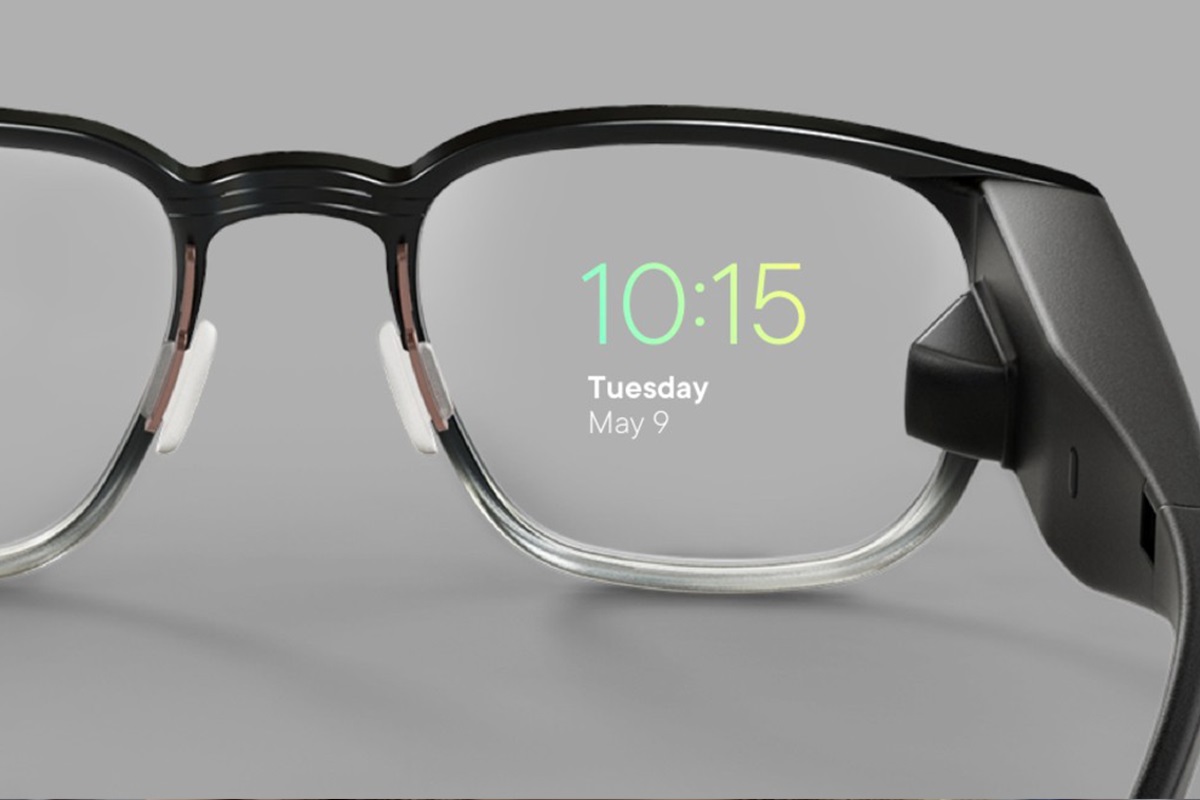
Samsung’s long-rumored move into augmented reality is starting to look very real. New early renders of the upcoming Samsung Galaxy Glasses have surfaced, offering a clearer sense of what the company’s first AR smart glasses could look like—and they suggest a familiar, fashion-forward approach that leans toward the sleek, everyday eyewear style popularized by other mainstream smart glasses.
Galaxy Glasses are expected to run on Android XR and take full advantage of Gemini AI, positioning them as a voice-first wearable designed for quick, real-world assistance rather than bulky mixed-reality immersion. This would also make them Samsung’s second Android XR product after its Galaxy XR headset.
Two versions reportedly in development: one without a display, one with micro-LED
According to the details tied to these renders, the model shown corresponds to an internal codename “Jinju.” This version is said to be a display-less design, meaning it won’t include an integrated micro-LED screen. Instead, it would focus on camera, audio, and AI-powered features—potentially helping keep the glasses lightweight, affordable, and closer to the look of normal eyewear.
At the same time, Samsung is reportedly developing a second version under the codename “Haean,” which is expected to include a micro-LED display. If accurate, that would point to a two-stage rollout: a more accessible first model, followed by a higher-end display-equipped upgrade later.
Possible release window and pricing
The display-less Galaxy Glasses are expected to launch this year, with a predicted price range between $379 and $499. The micro-LED variant is projected for a later debut in 2027, with pricing estimated between $600 and $900.
Fashion and fit: Samsung’s reported frame collaborations
Samsung has also said it’s working with Warby Parker and Gentle Monster to develop multiple frame options. That matters, because smart glasses only go mainstream when they look good, fit comfortably, and feel like something people actually want to wear all day—not just a piece of tech.
Expected specs: lightweight build, Snapdragon AR1, camera, and connectivity
The rumored hardware package suggests Samsung is aiming for practical daily use:
Processor: Qualcomm Snapdragon AR1
Battery: 155mAh
Camera: 12MP Sony IMX681
Lenses: photochromic transition lenses (tint can adjust to lighting conditions)
Audio: directional speakers, with potential bone-conduction capability
Wireless: WiFi and Bluetooth 5.3
Weight: about 50 grams
If these specs hold, Galaxy Glasses could land in that sweet spot where they’re light enough for long wear, capable enough for hands-free capture and assistance, and connected enough to function as a true companion device.
Gemini AI features: translation, photos, weather, and navigation by voice
The most compelling part may be what Gemini AI enables. With voice commands, the Galaxy Glasses are expected to handle everyday tasks such as translating signs in real time, taking photos, checking the weather, and getting directions through Google Maps. That kind of quick, context-aware help is exactly what smart glasses are best suited for—information when you need it, without pulling out your phone.
If Samsung can deliver strong battery efficiency, comfortable frames, reliable voice controls, and seamless Android integration, Galaxy Glasses could become one of the most interesting entries in the AR smart glasses race—especially for users who want practical AI features in a stylish, lightweight design.


