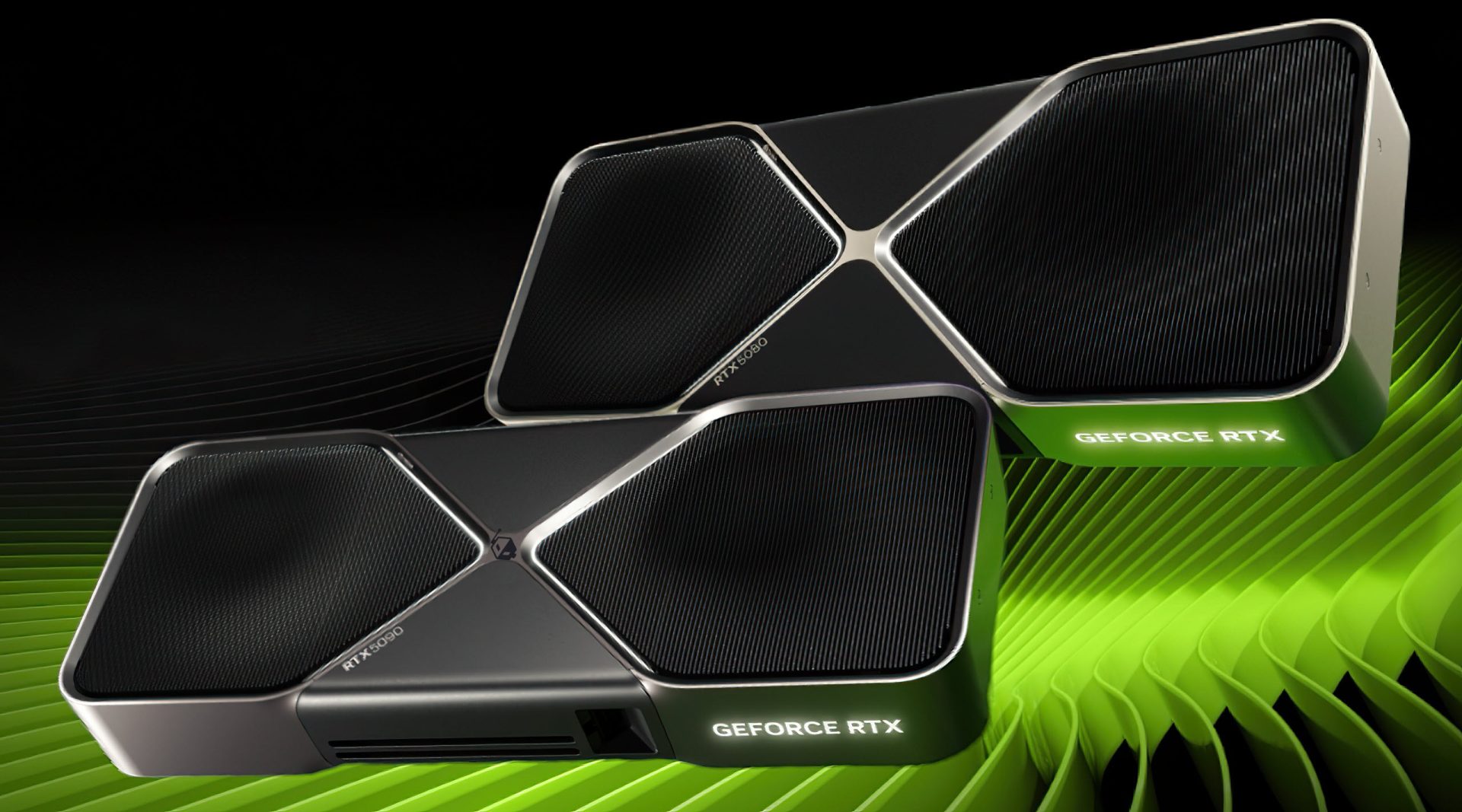
NVIDIA GeForce RTX 5090 Prices Could Climb Again as VRAM Costs Rise
The GeForce RTX 5090 may be heading for yet another price increase, with new reports suggesting that NVIDIA’s flagship Blackwell graphics card is being affected by rising VRAM procurement costs. The latest price pressure is reportedly tied to ongoing shortages of high-end memory, particularly GDDR7, which is used in the RTX 50 series.
According to industry channel reports, NVIDIA is expected to raise the cost of the GeForce RTX 5090 and the RTX 5090 D V2, the China-focused variant of the card. The increase could be around $300 per GPU, which would likely be passed on to add-in card partners and, eventually, consumers.
Although NVIDIA has not officially announced any change to suggested retail pricing, the market has already moved far beyond the original launch price. The GeForce RTX 5090 debuted at $1,999, making it one of the most expensive consumer graphics cards ever released. However, strong demand, limited supply, and inflated retail pricing have pushed real-world prices much higher.
In many regions, the RTX 5090 has already been seen selling close to or above $4,000. If the latest reported cost increase takes effect, prices could move even higher in the coming weeks. Some market watchers now expect premium RTX 5090 models to approach the $4,500 to $5,000 range if supply conditions do not improve.
The main issue appears to be the rising cost of VRAM. Modern flagship GPUs depend heavily on fast, high-capacity memory, and the RTX 5090 uses advanced GDDR7 memory to deliver its top-tier gaming and AI performance. When memory supply tightens, manufacturing costs increase, and those costs often make their way down the chain from GPU makers to board partners, retailers, and buyers.
This situation could also affect other GeForce RTX 50 series graphics cards. While the RTX 5090 is the most expensive and memory-heavy model in the lineup, any broader increase in GDDR7 pricing may put pressure on the rest of NVIDIA’s next-generation GPU family. If board partners face higher component costs across multiple models, more price adjustments could follow.
For PC gamers and enthusiasts, the situation is frustrating. The RTX 5090 is designed to be the ultimate consumer GPU, offering extreme performance for 4K gaming, content creation, ray tracing, and AI workloads. However, the card’s value proposition becomes harder to justify as prices rise far above its official launch figure.
At $1,999, the RTX 5090 was already positioned as a premium product for a small segment of buyers. At $4,000 or more, the performance-per-dollar ratio becomes much less attractive, even for users who want the fastest graphics card available. For gamers focused on frame rates per dollar, the rising price makes the RTX 5090 increasingly difficult to recommend unless budget is not a concern.
The GPU market has faced similar supply-and-demand problems in the past, but the current situation is especially difficult because high-end memory is also in demand across AI hardware, data centers, and professional computing. As artificial intelligence workloads continue to drive demand for advanced memory products, consumer graphics cards may continue to feel the impact.
For now, buyers waiting for RTX 5090 prices to return closer to MSRP may need to be patient. If the reported $300 cost increase reaches retail shelves, short-term pricing relief seems unlikely. Availability, memory pricing, and demand from both gaming and AI sectors will likely determine whether the RTX 5090 stabilizes or continues climbing toward even higher price points.