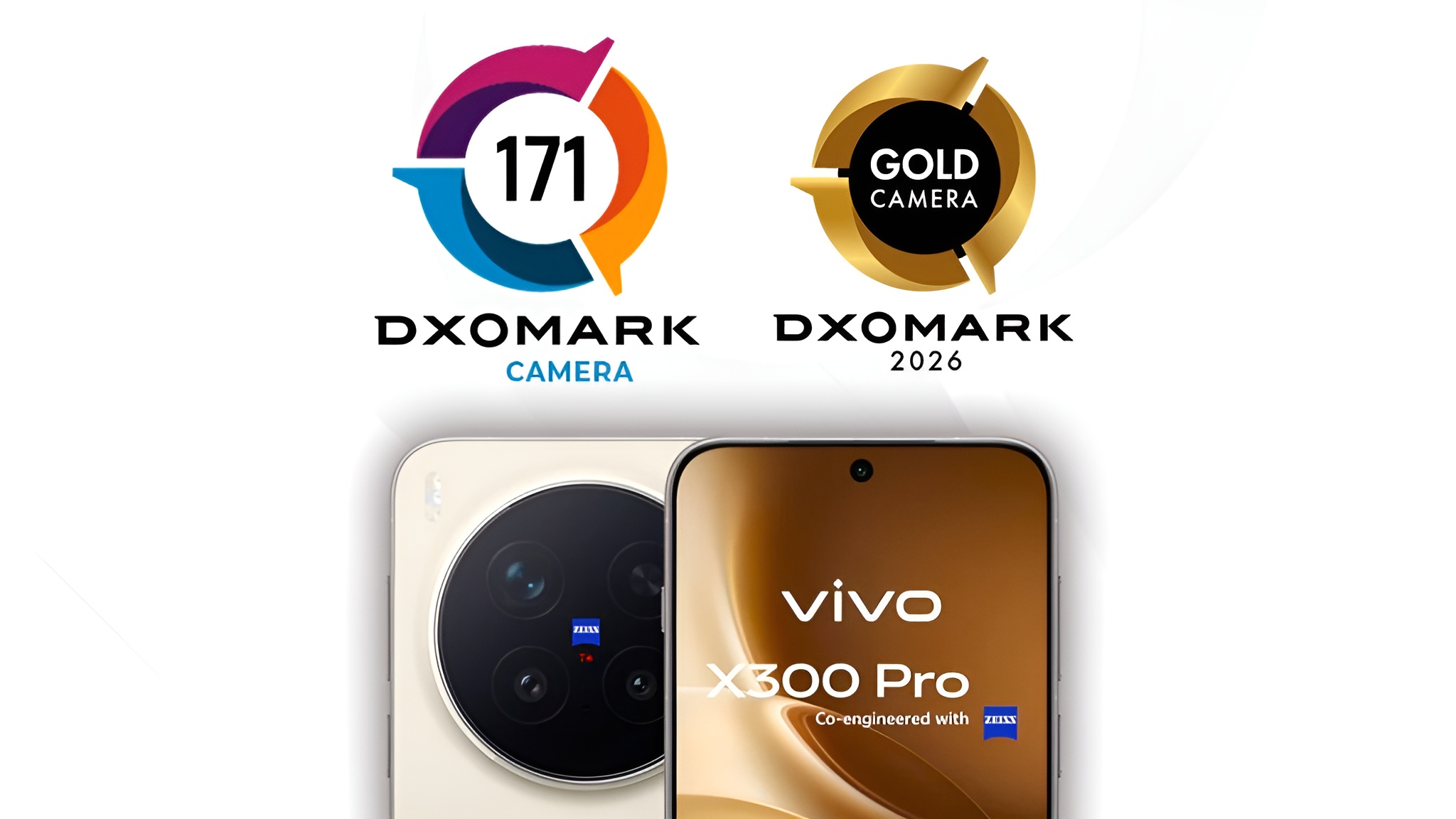
The Vivo X300 Pro is making serious waves in smartphone camera rankings, and this time it’s not just a “good effort” result. Unlike a recent high-profile camera test that didn’t produce any new category leaders, the Vivo X300 Pro pushes into the top spot across several key areas that matter most to everyday shooters and mobile photography fans.
In testing, the Vivo X300 Pro takes the lead in telephoto photography and bokeh performance, and it also comes out on top for zoom shooting and low-light results. That combination is especially important for people who rely on their phone camera for portraits, travel photos, concerts, food shots, and nighttime scenes where many phones start to fall apart.
One of the biggest strengths noted by reviewers is how consistently the Vivo X300 Pro handles exposure and dynamic range. In real-world terms, that means it does a strong job balancing bright skies with darker subjects, keeping photos readable without crushing shadows or blowing out highlights. White balance also gets a lot of praise, with natural-looking skin tones showing up reliably in both photos and video—something that can vary widely between phones depending on lighting.
Detail reproduction is another standout. The Vivo X300 Pro maintains a high level of detail across different shooting conditions, with zoom photos in particular getting a callout for looking impressively crisp. That’s a major win for anyone who prefers using optical-style zoom framing rather than walking closer or cropping later. Video performance also earns positive notes, thanks to decent stabilization that helps footage look smoother when handheld.
Portrait lovers will likely appreciate the phone’s natural-looking bokeh effect, which helps separate a subject from the background without looking overly artificial. When done right, this can make portraits look more DSLR-like—especially in outdoor light or indoor settings with depth behind the subject.
That said, the Vivo X300 Pro isn’t flawless, and the testing highlights a few areas where Vivo still has room to improve. HDR images can run into contrast problems when there’s strong backlighting, which can make certain scenes look less balanced than expected. The ultra-wide camera is also criticized for having a comparatively narrow field of view, which may be noticeable if you frequently shoot landscapes, architecture, or group photos and want a broader perspective.
Some artifacts can also appear in specific scenarios, including ghosting, color fringing, and texture-related artifacts. These are the kinds of issues that might show up around edges, in complex patterns, or in challenging lighting. In low light, photos sometimes render details in a way that looks slightly unnatural, and reviewers also note that people with dark skin tones can sometimes appear a bit too bright in certain conditions.
Overall, though, the Vivo X300 Pro’s results position it as a standout choice for anyone prioritizing zoom, portraits, and low-light photography in a flagship smartphone camera. It’s the kind of performance that can make a real difference on trips, at events, or anytime you’re relying on your phone as your primary camera.