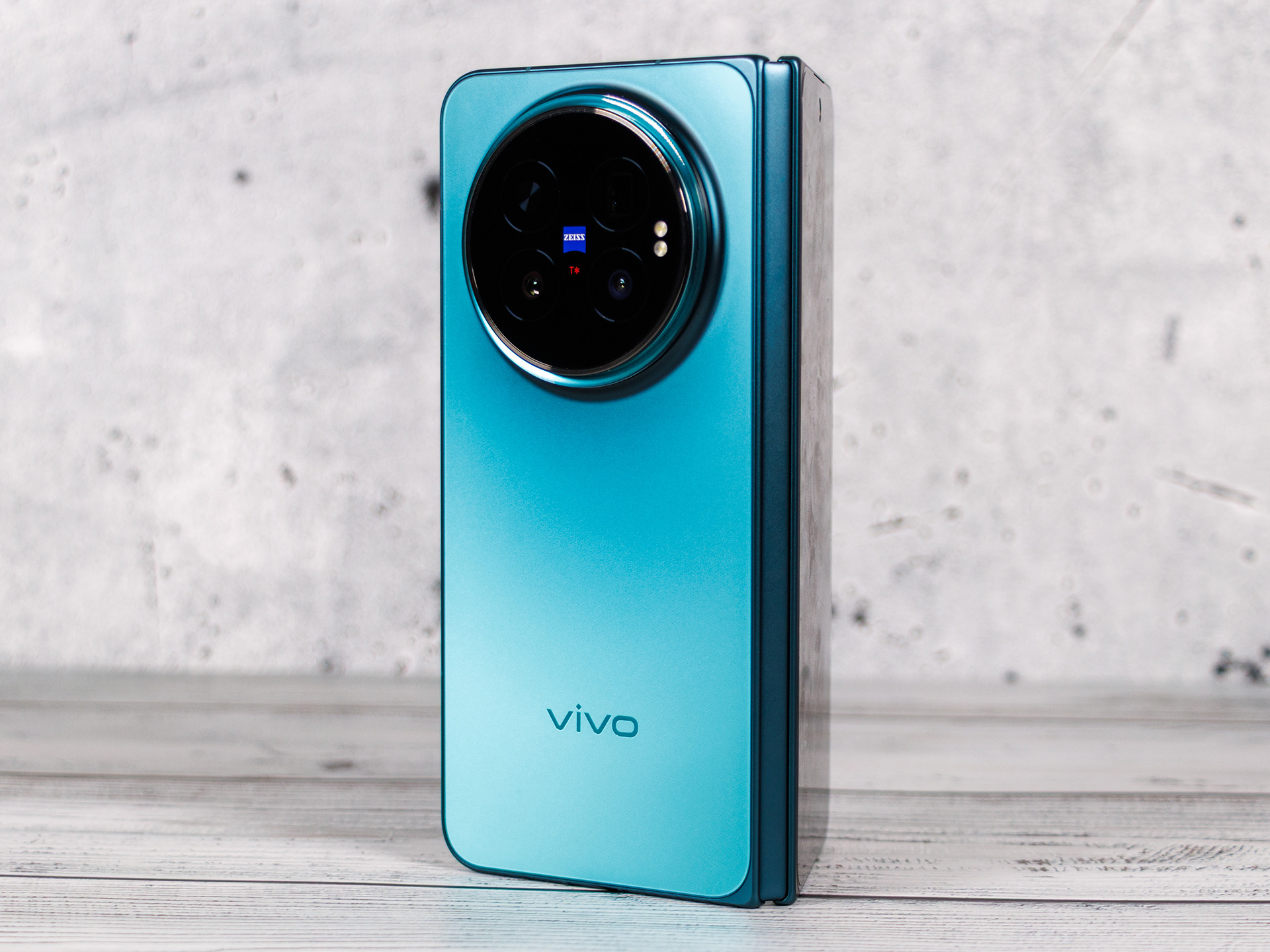
Vivo X Fold6 China Version vs Global Model: Key Differences Buyers Should Know
The Vivo X Fold6 is shaping up to be one of the most advanced foldable smartphones on the market, offering premium hardware, a sleek folding design, and flagship-level performance. However, buyers interested in importing the Chinese version should be aware that it may not offer the same experience as the global model expected in other regions.
While the core hardware is impressive, several important differences in connectivity, software, and regional support could affect daily use, especially for international users.
One of the biggest differences is Wi-Fi support. The Chinese version of the Vivo X Fold6 supports Wi-Fi 7, which allows for fast wireless speeds on compatible networks. However, it does not include support for the 6 GHz Wi-Fi band. This may not matter for every user right now, since not all routers and networks use 6 GHz, but it is still surprising for a modern premium foldable phone.
For users who want the most future-proof wireless experience, the missing 6 GHz band could be a downside. As Wi-Fi 7 routers become more common, this limitation may become more noticeable over time.
Another important omission is eSIM support. The Chinese Vivo X Fold6 does not currently support eSIM, which could be a major drawback for frequent travelers. eSIM makes it much easier to activate local mobile plans abroad without needing to swap physical SIM cards.
For an expensive flagship foldable phone, eSIM support is often expected, especially in global markets. It is still possible that the international version of the Vivo X Fold6 will include eSIM functionality, either through different hardware or regional software support, but this has not yet been confirmed.
Storage and memory options may also differ depending on the market. In China, the Vivo X Fold6 is available in several configurations, starting with 12 GB of RAM and 256 GB of internal storage, and going up to 16 GB of RAM with 1 TB of storage. These are strong options for power users, especially those who multitask heavily, store large media files, or use the phone as a productivity device.
However, not every configuration may be released globally. Vivo may choose to offer only selected models in certain regions, depending on demand, pricing, and local market strategy. Anyone waiting for the global Vivo X Fold6 should keep an eye on which RAM and storage versions become available in their country.
Software is another area where the Chinese and global models may differ significantly. The Chinese version does not offer the same level of Google service integration that many international users expect. Google apps and AI features such as Gemini are not as deeply built into the system compared with phones designed for global markets.
This could affect the overall user experience for buyers outside China. While some services may still be installed manually, the experience may not be as smooth or fully integrated as it would be on a global model.
Update support is also an important factor. For a premium foldable smartphone, long-term software support is essential. Buyers spending flagship-level money expect years of Android upgrades, feature improvements, and security patches.
Although Vivo has not yet confirmed the exact update policy for the global Vivo X Fold6, expectations are high. It may follow the company’s premium smartphone strategy, potentially offering up to 5 years of major operating system updates and 7 years of security updates. If confirmed, that would make the device much more appealing to long-term users.
The Vivo X Fold6 clearly shows how far foldable smartphone technology has come. With high-end specifications, a large folding display, and powerful hardware, it has the potential to compete strongly in the premium foldable phone market. However, the Chinese version is not necessarily the best choice for every international buyer.
Before importing the Vivo X Fold6 from China, buyers should carefully check network compatibility, Wi-Fi support, eSIM availability, software features, Google service integration, and update policies. These details can make a major difference in everyday use.
The global version of the Vivo X Fold6 may solve some of these issues, especially if it includes better regional support, eSIM functionality, and deeper Google integration. Until official details are confirmed, international buyers should approach the Chinese model with caution.
For users who want the most complete and convenient experience, waiting for the official global Vivo X Fold6 may be the smarter choice.