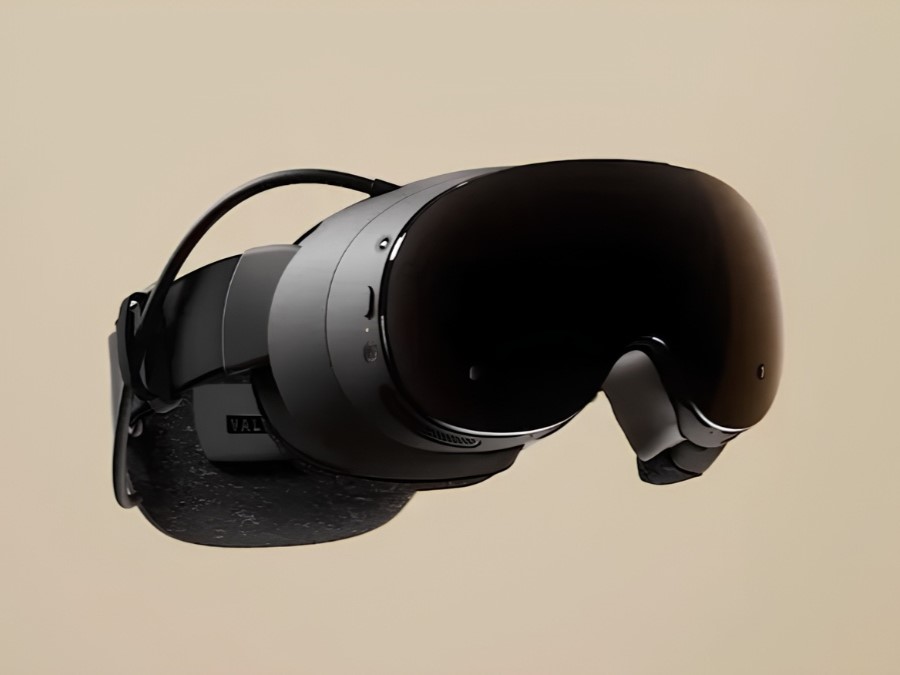
Valve’s SteamVR 2.17 update is now available to all users, and its stable release is fueling fresh speculation that the long-rumored Steam Frame VR headset could be close to launch.
The update first arrived through the beta and preview channel, giving early testers time to try the new features and report bugs. After that testing period, Valve has now pushed SteamVR 2.17 to the stable channel, meaning every SteamVR user can install it. While the update brings several useful improvements on its own, its timing is what has caught the attention of many VR fans.
Valve has not officially confirmed the release date or pricing for the Steam Frame headset. However, recent activity suggests the company may be preparing for a major hardware rollout. Reports indicate that Valve has added a reservation system for Steam Frame within Steam’s backend. Unlike a simple waitlist, this reservation setup is expected to require a deposit, which often points to a product launch being near.
Several Steam Frame-related packages have also reportedly been updated behind the scenes. When combined with the stable release of SteamVR 2.17, these changes make it look increasingly likely that Valve is getting its software and storefront ready ahead of the headset’s arrival.
Adding more excitement, an insider has claimed that Steam Frame shipments could begin on September 14. Valve has not confirmed that date, so it should still be treated as unofficial for now. Even so, the steady stream of backend updates and the public rollout of SteamVR 2.17 have given VR enthusiasts plenty of reason to believe an announcement may be coming soon.
SteamVR 2.17 also introduces several important changes designed to make the VR experience feel more complete and convenient. One of the biggest upgrades is deeper Steam integration directly inside VR. Users can now access achievements, community guides, and notes without needing to leave their headset experience. This makes it easier to track progress, check tips, or review personal notes while staying immersed.
Valve has also added a Quick Access Menu inspired by the Steam Deck. This menu is now part of the VR Dashboard and gives users faster control over key settings such as notifications, volume, brightness, battery status, and other frequently used options. For anyone who regularly uses SteamVR, this should make daily navigation smoother and more practical.
Steam Link has received meaningful improvements as well. The update brings better VR streaming performance on slower network connections, reduced latency, fixes for stuttering on Nvidia hardware, and early support for USB streaming. These changes could help make PC VR streaming more stable and responsive, especially for users who do not have ideal wireless network conditions.
Linux users are also getting attention in this release. SteamVR 2.17 improves support for wired headsets on Linux, which could make the platform more appealing for VR users outside Windows. Valve has also added support for 32-bit OpenXR applications, helping improve compatibility with a wider range of VR software.
Beyond the headline features, the update includes a variety of smaller fixes and refinements across the VR Dashboard, overlays, screenshots, streaming, and headset compatibility. These improvements may not all be immediately noticeable, but together they help create a more polished and reliable SteamVR experience.
SteamVR 2.17 is an important update for current VR users, but it may also be a sign of something bigger. With reservation system changes, backend package updates, and new VR features now live for everyone, Valve appears to be laying the groundwork for the Steam Frame launch.
Until Valve makes an official announcement, the exact release date, price, and final details of Steam Frame remain unknown. Still, the latest SteamVR update has made one thing clear: Valve’s VR ecosystem is being prepared for its next major step, and that step could arrive very soon.