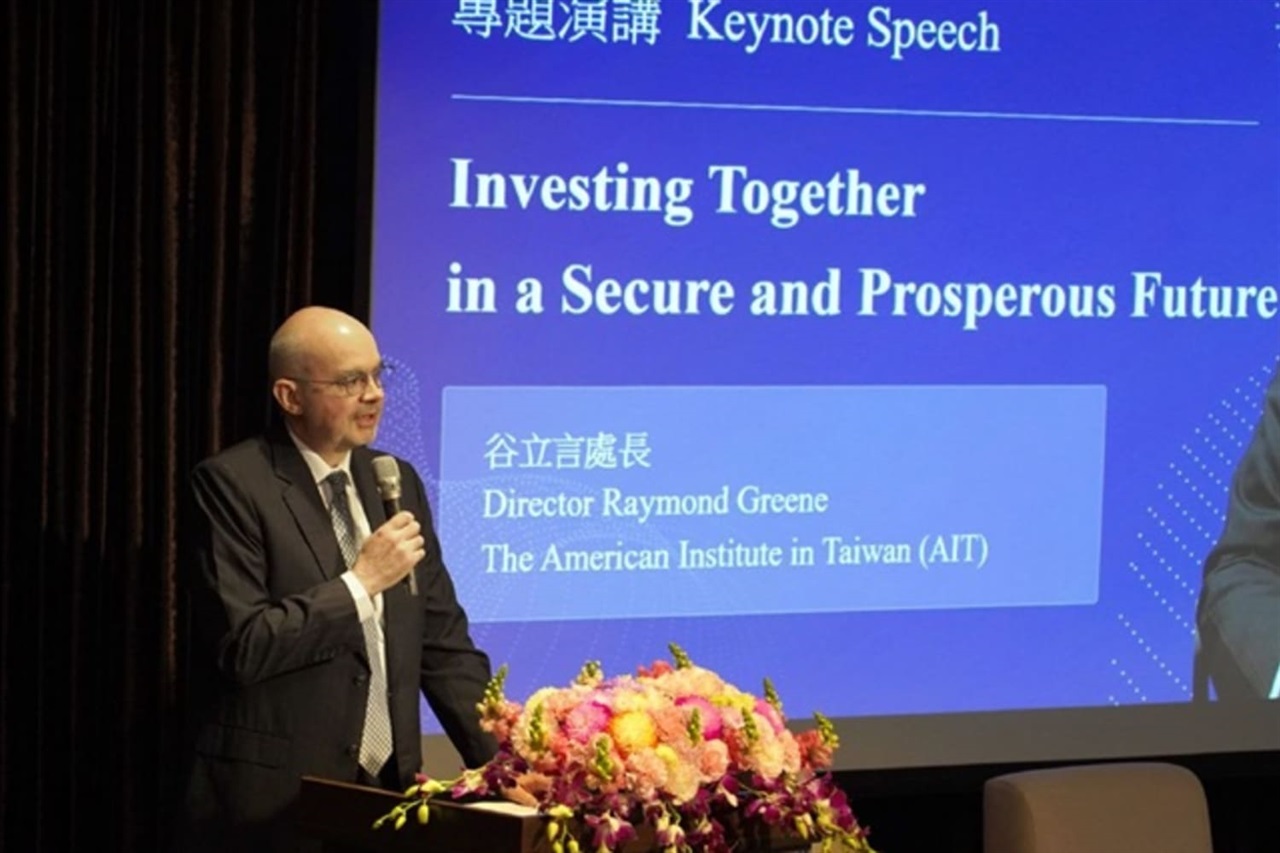
The American Institute in Taiwan (AIT) Director Raymond Greene said on January 22 that the United States is firmly backing Taiwan’s push to modernize its defenses and deepen cooperation on defense-industry development. His message was clear: as Taiwan faces a more challenging security environment, tighter US–Taiwan coordination has become increasingly important, especially in building the capabilities Taiwan needs to deter and respond effectively.
Greene’s remarks focused on practical priorities rather than broad slogans. He highlighted defense modernization as a central goal, pointing to the need for Taiwan to upgrade how it prepares, trains, equips, and sustains its forces. Alongside modernization, he emphasized defense-industry cooperation, signaling that closer collaboration can help Taiwan strengthen its long-term readiness by improving how quickly it can develop, produce, maintain, and replace key systems.
A major theme of his comments was support for Taiwan’s asymmetric warfare strategy. In simple terms, asymmetric defense is about making smart, cost-effective choices that deny an adversary easy advantages. Instead of relying only on traditional, large-scale platforms, the approach emphasizes tools and tactics that can be deployed quickly, dispersed widely, and sustained under pressure. This can include investments that improve survivability, mobility, and resilience—capabilities designed to complicate any potential aggression and raise the costs of conflict.
Greene also underscored the importance of aligning efforts between the US and Taiwan so that cooperation translates into real-world readiness. That means strengthening coordination on planning and capability development, reinforcing supply and maintenance capacity, and supporting the broader ecosystem that underpins defense preparedness. The overarching message: building a credible deterrent requires consistent work across technology, industry, training, and strategy—not just headline announcements.
With Washington reiterating its support for Taiwan’s defense modernization and asymmetric posture, Greene’s statement adds momentum to ongoing efforts aimed at boosting preparedness and ensuring Taiwan has the tools, partnerships, and industrial support needed to meet evolving security challenges.