US-China Trade Truce Extension Could Shift Orders Back to Mainland China
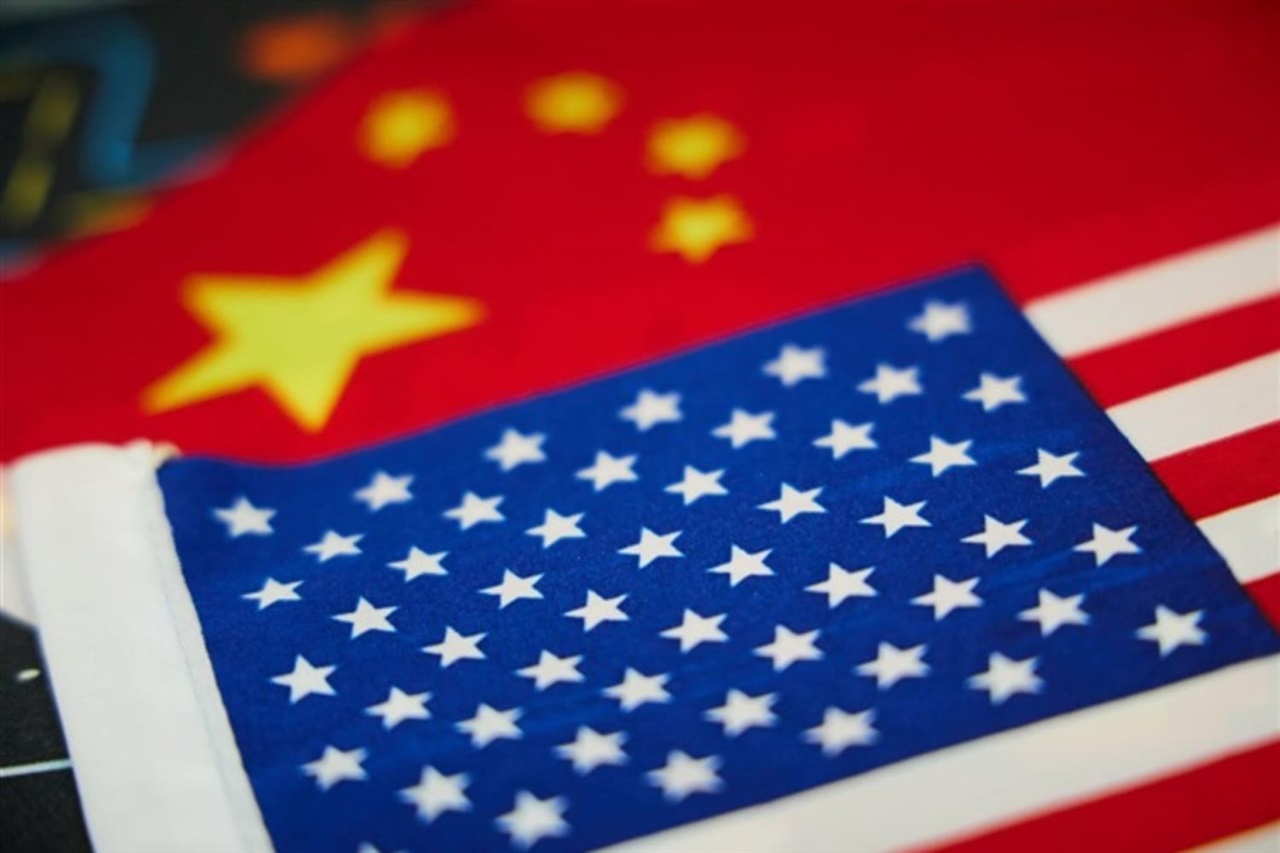
The latest round of high-level talks between the United States and China may reshape supply chain decisions across Asia. After US President Donald Trump visited China for a summit with Chinese President Xi Jinping from May 13 to 15, 2026, the two sides agreed to extend the current trade truce, signaling a temporary easing of tensions between the world’s two largest economies.
As part of the diplomatic exchange, President Xi also accepted an invitation to make a state visit to the United States from September 23 to 25, 2026. The move suggests both governments are looking to keep communication open and stabilize trade relations after years of uncertainty, tariffs, and shifting manufacturing strategies.
The extended trade truce could have a direct impact on global supply chains. In recent years, many companies moved some production away from mainland China to reduce exposure to tariffs and geopolitical risks. Taiwan, Southeast Asia, and other manufacturing hubs benefited as brands looked for alternative sources for consumer electronics, components, and other goods.
However, with Washington and Beijing agreeing to maintain a pause in trade hostilities, some orders for non-sensitive products may begin flowing back to mainland China. For businesses focused on cost efficiency, China’s established manufacturing base, strong logistics network, and large supplier ecosystem remain difficult to ignore.
This shift could create pressure for Taiwanese manufacturers, especially those that gained orders during periods of heightened US-China trade tension. If buyers feel more confident placing orders in mainland China again, Taiwan-based suppliers may face slower demand growth or reduced order volumes in certain product categories.
Still, the impact is likely to vary by industry. Products considered sensitive due to security, advanced technology, or strategic importance may continue to be sourced outside mainland China. Many companies are also expected to maintain diversified supply chains rather than fully reversing recent relocation efforts.
The extended US-China trade truce does not eliminate long-term uncertainty, but it may encourage businesses to reassess short-term sourcing plans. For now, the agreement offers a window of stability, and manufacturers across Taiwan and the broader Asia-Pacific region will be watching closely to see whether global brands shift more production back to China.
If the diplomatic momentum continues through President Xi’s planned US visit in September 2026, trade relations could remain steadier in the near term. But for manufacturers that benefited from supply chain diversification, the message is clear: competition for global orders may intensify once again.