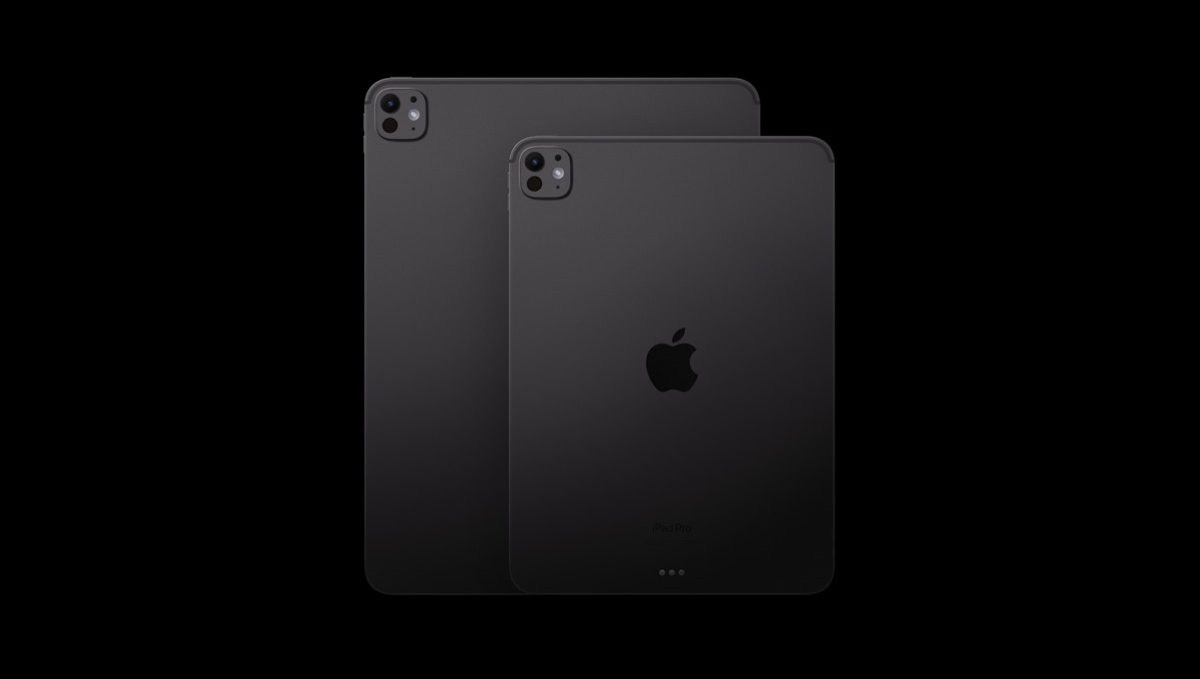
Apple has outdone itself with the sleek and powerful design of the OLED iPad Pro. Surpassing even the iPod nano in slimness, this device is poised to dazzle tech enthusiasts and loyal customers alike. With a stunning OLED display and a larger screen size, it’s clear that Apple has made significant strides in its iPad Pro lineup. The introduction of the M4 chip, built on TSMC’s advanced 3nm process technology, is another leap forward, especially with upcoming AI utilities in mind. However, these commendable hardware upgrades may not be enough to cause a surge in demand for the OLED iPad Pro. One critical issue seems to be holding back its potential: iPadOS.
The root of the problem lies in how iPadOS harnesses the capabilities of the iPad Pro’s hardware. Despite the sophistication of iPadOS 18, it remains consistent across Apple’s range of iPads, from the budget-conscious models to the cutting-edge OLED iPad Pro. This uniform approach undoubtedly provides a seamless experience; however, it falls short in leveraging the true power of the M4 chip and the enhanced screen technology of the Pro model.
This parity in software performance raises questions about whether the capabilities of the high-end models are being underutilized. For instance, the file management system, navigation controls, and user interface are practically identical across the different tiers of iPad devices. Consequently, users who invest in the premium OLED iPad Pro may not feel they are getting their money’s worth when the experience it offers is so similar to less expensive alternatives.
To justify the ‘Pro’ label and its higher price tag, Apple should innovate by tailoring iPadOS to better fit the advanced hardware of the Pro models. Such a move would enhance the overall user experience and provide a level of distinction that Pro users are seeking. One potential solution could involve adapting a version of macOS that is optimized for touch screens, aligning more closely with the Pro’s capabilities. Alternatively, developing exclusive, Pro-specific features within iPadOS could also be an effective approach.
Arguably, iPadOS is not fully tapping into the M4 chip’s capabilities, especially when the utility it provides doesn’t significantly differ from what is offered on other models, such as the new M2 iPad Air. Enthusiasts and power users alike can only hope that Apple will roll out dedicated AI features and depart from the uniform design of iPadOS. By carving out unique advantages and utilities for the iPad Pro, Apple could finally cement its status as a true computer replacement, fulfilling the needs and aspirations of professionals looking for a powerful, versatile tablet experience.