Unimicron Technology Enters New Leadership Era as AI Fuels Demand for IC Substrates and PCBs
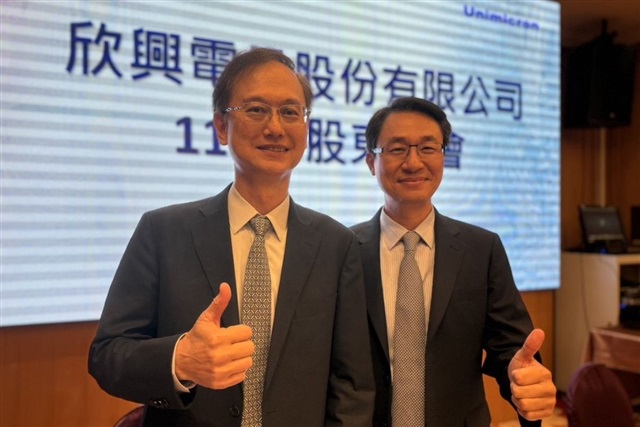
Unimicron Technology has completed a full board re-election, marking a major leadership reset at a time when the electronics supply chain is being reshaped by artificial intelligence. Newly appointed chairman SC Chien has officially taken the helm, positioning the company for its next stage of growth as demand for advanced printed circuit boards and IC substrates continues to rise.
The leadership change comes as AI servers, high-performance computing systems, data centers, and next-generation semiconductor packaging place greater pressure on substrate suppliers. IC substrates have become a critical part of the chip ecosystem, acting as the bridge between advanced processors and circuit boards. As AI chips grow more powerful and complex, the need for higher-end substrates with improved performance, density, and reliability is increasing rapidly.
Unimicron, one of the major players in the global PCB and IC substrate market, is expected to sharpen its focus on capacity, technology development, and resource allocation under Chien’s leadership. The company’s ability to respond to the AI-driven demand wave could play an important role in its future competitiveness, especially as the industry faces tighter supply conditions for advanced substrate products.
The rise of artificial intelligence has created a new growth cycle for hardware manufacturers. AI accelerators, GPUs, networking chips, and advanced processors require sophisticated packaging solutions, and that has pushed IC substrates into the spotlight. These components are no longer viewed as simple supporting materials; they are now essential to overall chip performance and system efficiency.
For Unimicron, the new board structure signals a renewed effort to align management strategy with market demand. With SC Chien now leading the company, investors and industry watchers will be looking closely at how Unimicron manages production priorities, capital spending, and customer demand from major AI and semiconductor clients.
The PCB industry has traditionally moved in cycles, often tied to consumer electronics, smartphones, and PCs. However, AI infrastructure is creating a different type of demand, one that requires more advanced manufacturing capabilities and longer-term supply planning. This shift could benefit companies with strong technical foundations and established relationships across the semiconductor supply chain.
Unimicron’s next challenge will be balancing growth opportunities with the operational demands of a fast-changing market. As AI adoption expands across cloud computing, enterprise systems, edge devices, and industrial applications, the need for advanced PCB and IC substrate solutions is likely to remain strong.
The appointment of SC Chien as chairman represents more than a routine leadership change. It arrives at a pivotal moment when AI is redefining the electronics manufacturing landscape. With fresh leadership and rising demand for advanced substrates, Unimicron is entering a critical phase that could shape its role in the next generation of semiconductor and AI hardware supply chains.