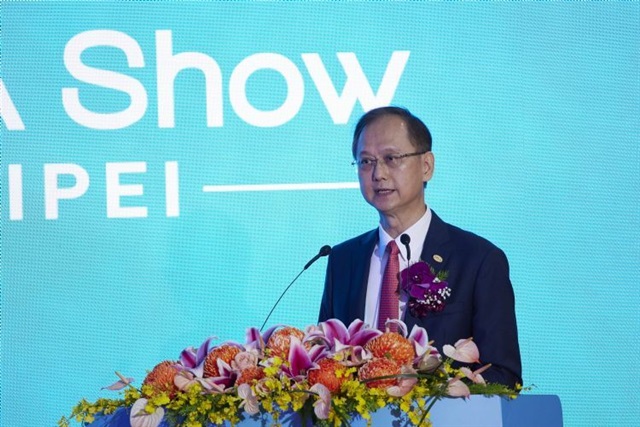
TPCA Show 2026 Opens With a Major Message: AI Chips Need Bigger, Smarter Substrates
TPCA Show 2026 officially opened with a strong focus on the future of AI hardware, high-performance computing, and advanced semiconductor packaging. During the opening address, Unimicron Chairman Shan-Chieh Chien highlighted a major shift taking place across the chip industry: the next generation of AI accelerators cannot rely on semiconductor process scaling alone.
As artificial intelligence workloads grow more complex, AI accelerators used in high-performance computing systems are demanding far more from the entire chip ecosystem. Faster transistors remain important, but they are no longer enough to solve the biggest challenges facing the industry. According to Chien, the path forward will depend heavily on packaging innovation, advanced substrates, and new design approaches that can support larger, more powerful computing platforms.
One of the most eye-catching points from the event was the expectation that substrate sizes could eventually reach up to 14 times their current scale. This reflects how rapidly AI computing is changing the requirements for semiconductor components. Larger substrates may become essential as chipmakers integrate more computing units, memory, and interconnects into increasingly complex packages.
The rise of AI accelerators has placed new pressure on high-performance computing hardware. These chips must handle massive amounts of data, deliver extreme processing power, and operate efficiently under heavy workloads. As a result, the industry is looking beyond traditional chip shrinking and toward more advanced packaging technologies that can improve performance, manage power demands, and support high-density connections.
Unimicron’s message at TPCA Show 2026 points to a broader trend in the semiconductor supply chain. IC substrates are becoming a critical foundation for AI servers, data centers, and next-generation computing systems. As AI models continue to expand, the demand for advanced substrates is expected to grow alongside the need for more powerful accelerators.
The discussion also shows that innovation in the AI chip market is no longer limited to the silicon itself. Substrate technology, circuit board manufacturing, thermal management, and system-level integration are all becoming key factors in determining how far AI performance can go.
TPCA Show 2026 has made one thing clear: the future of AI hardware will be shaped by more than smaller process nodes. To meet the demands of high-performance computing, the semiconductor industry will need larger, more capable substrates and a new generation of advanced packaging solutions designed for the AI era.