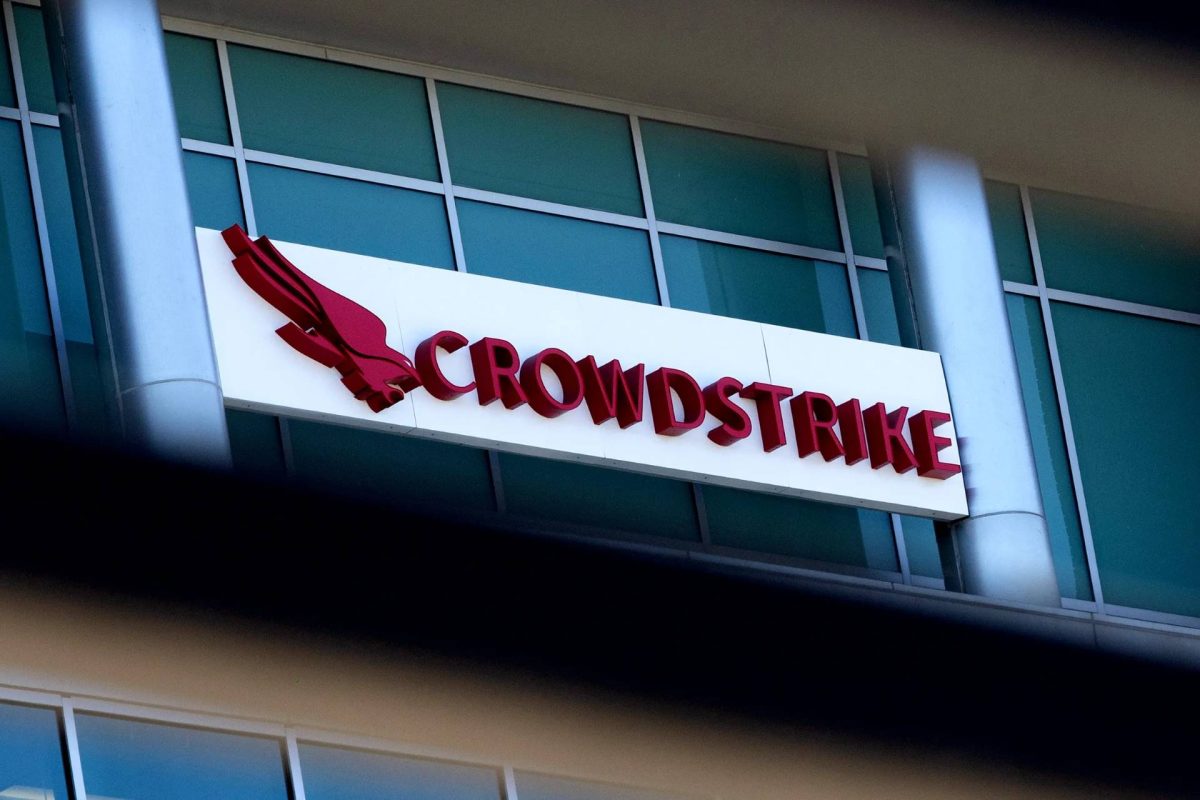
In recent developments, cybersecurity firm Crowdstrike has become the center of attention following a major global IT outage that has had widespread ramifications across various industries, causing substantial financial losses and operational disruptions. The outage has particularly affected sectors such as healthcare, banking, and airlines, in some cases leading to emergency services being brought to a standstill.
The gravity of the situation is reflected in the estimated $5 billion in financial damage, prompting numerous companies to initiate legal proceedings against Crowdstrike. These lawsuits are predicated on the interruptions and financial setbacks attributed to the IT outage, which has been linked to Crowdstrike’s cybersecurity services.
In response to the increasing legal pressure and the need for transparency, Crowdstrike has issued a comprehensive report delineating the underlying factors that contributed to the IT outage. The report details an update issue that occurred during their attempt to streamline the process of updating security threats on client computers. Crowdstrike aimed to implement a method enabling real-time threat detection, but the update inadvertently included only 20 data points instead of the required 21, resulting in system crashes across the globe.
An important aspect that Crowdstrike emphasized is the failure of their testing protocols to identify the missing data point which was a crucial element in the updated security system. The testing frameworks, designed to operate with 21 data set templates, did not flag the missing element, leading to the undetected rollout of the problematic update.
To address this oversight and prevent future recurrences of similar outages, Crowdstrike has introduced new measures, including runtime bounds checks to identify discrepancies in the data and phased implementation of updates to reduce the risk of widespread impact. These updates will now be deployed to smaller, controlled groups before a global rollout.
Despite these remedial steps, Crowdstrike continues to face the challenge of defending itself in court against a wave of lawsuits. Notably, Delta Airlines has publicized its intention to seek reparations for the estimated $500 million lost due to the outage. Nevertheless, Crowdstrike may find a lifeline in the small print of its contracts, where terms and conditions stipulating liability limits could provide a crucial defense against the claims.
As the situation unfolds, companies utilizing cybersecurity services are reminded to carefully consider the contractual details and to remain vigilant about the providers they depend upon for critical IT infrastructure support.