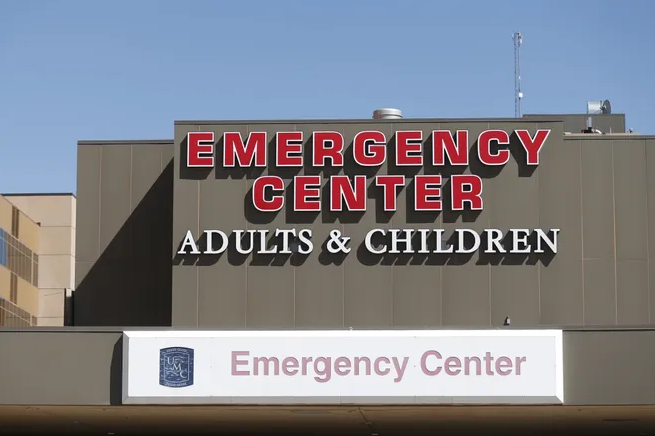
A ransomware attack has thrown the University Medical Center (UMC) in Lubbock, Texas, into turmoil, forcing the hospital to divert ambulances to other facilities. This is a significant blow, considering UMC is the only level-one trauma center within a 400-mile radius. The attack, which struck on Friday, has crippled the hospital’s operations, including its emergency services.
Despite the attack, most of UMC’s emergency services remain operational. However, as a safeguard, UMC is redirecting both emergency and non-emergency patients to other hospitals. The facility is working closely with external cybersecurity experts to restore its systems and assess the full impact of the breach. While UMC has not confirmed involvement with federal authorities, it’s worth noting that the FBI often plays a role in ransomware attacks, aiding in recovery and negotiations.
This incident underscores the growing vulnerability of healthcare facilities to cyberattacks. Recently, ransomware attacks on healthcare institutions have surged, with many providers paying substantial amounts to regain access to their systems. The sensitive nature of patient data and the indispensable need for uptime make healthcare entities prime targets for cyber criminals.
The ripple effects of the attack are deeply concerning due to UMC’s critical role in the region. With the hospital being the sole level-one trauma center in such a vast area, the diversion of ambulances could have serious implications for critically ill patients who rely on its services.
This disruption at UMC is part of a broader trend. Many sectors, not just healthcare, have been hit by ransomware. For example, Stanford University faced an attack last year, and Foxconn’s factory in Mexico experienced a similar breach in 2022. Experts warn that the frequency of these attacks will likely continue to rise, especially in the healthcare industry where the stakes are incredibly high.
The situation at UMC highlights the urgent need for robust cybersecurity measures across all hospitals and healthcare facilities. The repercussions of such attacks can be devastating, not just in terms of financial costs but also in their potential to put lives at risk. As such, bolstering defenses against ransomware must be a top priority to protect these essential institutions.


