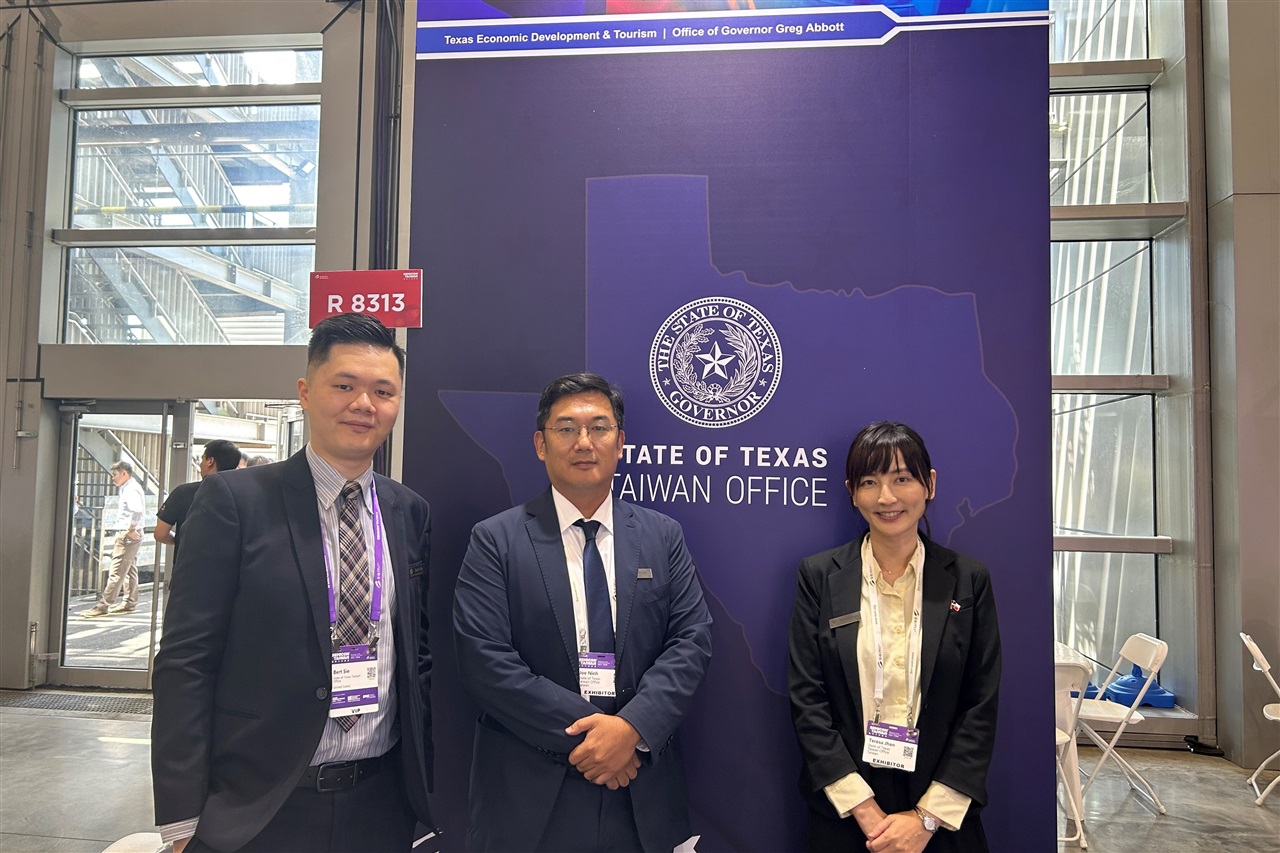
In July 2024, Texas Governor Greg Abbott embarked on a significant journey to Taiwan with a clear mission: to foster stronger economic ties and encourage Taiwanese semiconductor giants to establish operations in Texas. This pivotal visit led to the signing of an economic cooperation agreement with Taiwan’s Ministry of Economic Affairs and the creation of the State of Texas Taiwan Office (STTO). This new office aims to boost economic collaboration and ramp up Taiwanese investment in Texas, particularly in the thriving semiconductor sector.
Texas, already a powerhouse in semiconductor production with industry titans like Samsung, GlobalWafers, Texas Instruments, and AMD, exported an impressive $19.3 billion worth of semiconductors in 2021. With this strong foundation, the STTO’s goals resonated perfectly at the annual SEMICON Taiwan event, where Texas made a marked impact as part of the US Pavilion.
Joel Nieh, the STTO Director, elaborated on Texas’ strategic ambitions during the event. “We see tremendous potential for Taiwan’s semiconductor supply chain companies to integrate seamlessly with Texas’ robust semiconductor ecosystem,” Nieh remarked. He emphasized Texas’ pro-business tax system, pointing out the absence of state-level corporate and personal income taxes and the waivers for sales and use taxes on manufacturing equipment and energy. Additionally, property tax exemptions and substantial R&D tax incentives make Texas particularly enticing for high-tech industries.
Beyond these tax benefits, Texas has rolled out the Texas Semiconductor Innovation Fund, a $700 million initiative designed to provide cash grants to semiconductor-related enterprises, including fabrication plants. “This fund could be a game-changer for companies already considering setting up in Texas,” Nieh suggested.
Particularly noteworthy is Texas’ burgeoning interest in advanced packaging technologies, a pivotal area for the future of semiconductor innovation. Nieh announced a $1.5 billion grant devoted to research in advanced packaging, inviting joint projects between Taiwan and Texas.
While semiconductor initiatives take center stage, Texas is also keen on expanding collaborations in a range of other sectors: aerospace, defense, energy, electric vehicles, agriculture, and biomedicine. “These industries are our focus, and we’re actively pursuing more partnerships with Taiwan,” Nieh confirmed.
Although the STTO has been operational for just a few months, it has already proved invaluable in helping Taiwanese companies navigate Texas’ decentralized economic development system. Historically, businesses could spend months trying to decode local incentives and regulations. Now, with the STTO’s guidance, firms can make well-informed decisions much faster.
The STTO starts by gathering comprehensive background information to understand the operational needs of these companies. They then connect these firms with Texas’ central economic development team, which consolidates the requirements and disseminates this information to over 400 cities across Texas. Each city evaluates its ability to host these projects based on its economic conditions, giving businesses a detailed overview of their options.
Nieh emphasized the value of this system, which provides companies with multiple locations to consider rather than confining them to densely populated and highly competitive metropolitan areas like Houston or Austin. This approach allows businesses to explore less crowded cities with targeted incentives, enabling better-informed decisions for establishing operations.
In conclusion, Texas maintains a strong foothold in the semiconductor arena, luring top players with its well-established market and abundant talent pool. While Arizona has established a partnership with Taiwan Semiconductor Manufacturing Company (TSMC), Texas remains open to similar collaborations and is keen on creating mutually beneficial long-term cooperations.
Texas’ strategic location next to Mexico adds another layer of attractiveness for Taiwanese companies, especially those in the electronics manufacturing services sector. This proximity allows companies to base their manufacturing operations in Mexico while keeping design, sales, and R&D functions in Texas, creating a fully integrated ecosystem.
This cross-border collaboration model, akin to Taiwan’s own successful semiconductor supply chain, reinforces Texas’ standing as a global market leader. As the STTO continues to engage with Taiwanese semiconductor firms, it aims not only to drive growth in semiconductors but also to expand into other pivotal sectors, ensuring sustained economic development and a prominent presence in Texas.