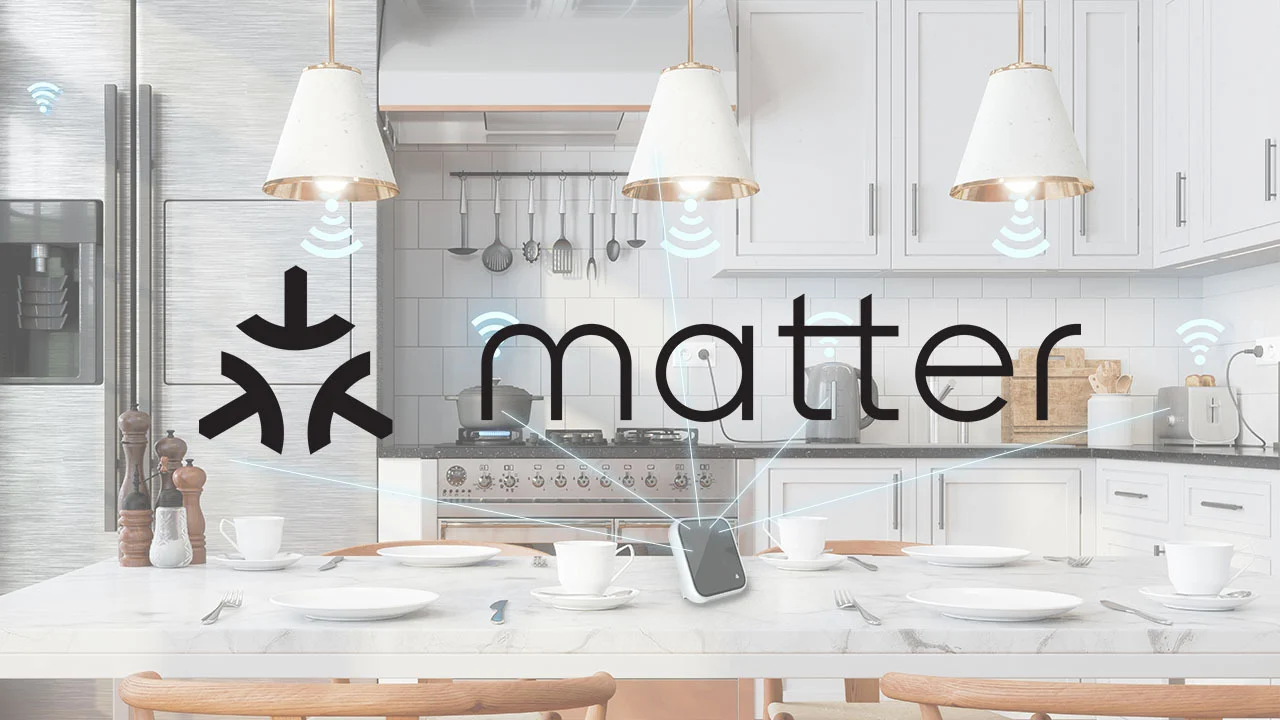
As smart home technology continues to evolve, the industry is buzzing about Matter – a new universal connectivity standard. The initiative aims to enhance interoperability between smart home devices, promoting a more unified and user-friendly experience for consumers. Let’s dive into everything you need to know about Matter, from its foundation to its promising impact on the future of smart homes.
What is Matter?
Matter represents a collective effort by over 200 companies to establish a unified and secure connectivity protocol for smart home and IoT devices. Spearheaded by the Connectivity Standards Alliance (CSA), formerly known as the Zigbee Alliance, Matter is designed to function on top-tier networking technologies like Bluetooth LE, WiFi, and Thread, leveraging the Internet Protocol (IP) for seamless device communication.
The open-source approach towards the development of the Matter SDK is set to expedite the integration of this standard by companies, ensuring rapid market adoption. Matter aims to dissolve the barriers currently faced, making it easier for smart home gadgets to communicate across different platform ecosystems such as Google Home/Assistant, Amazon Alexa, Apple HomeKit, and Samsung SmartThings.
Key Companies Championing Matter
Hundreds of influential companies from various sectors have joined the alliance to promote the Matter standard, including tech giants and leaders in home automation:
– Google LLC
– Apple Inc
– Amazon
– Samsung Electronics Co Ltd
– LG Electronics
– Huawei Technologies Co Ltd
– IKEA of Sweden
– Qualcomm
– Bosch IO GmbH
– Schneider Electric
– ARM Ltd
– Comcast Cable Communications Management
– ASSA ABLOY AB
– TCL
– Panasonic Corporation
– Texas Instruments
– Siemens Industry Inc
– Resideo Technologies
– Whirlpool Corporation
– Signify Netherlands B.V. (formerly Philips Lighting)
and many more.
Matter’s comprehensive support from industry stakeholders suggests a strong foundation for its successful implementation and underscores its potential to be the de facto standard for smart home connectivity.
The integration of Matter holds the promise of a harmonious smart home environment where devices from different manufacturers can easily communicate and work together. This means consumers can select products based on their preferences and requirements, rather than compatibility concerns, leading to a more streamlined and efficient smart home experience.
As we advance towards a future where smart home technology is more prevalent, Matter stands out as a beacon of unified connectivity, potentially transforming how consumers interact with their living spaces. With its open-source nature and strong industry backing, Matter is poised to make smart homes more accessible and enjoyable for everyone.In the realm of smart home technology, the Matter certification is becoming an increasingly important standard for devices. This new connectivity standard is designed to enhance compatibility and simplify the user experience by allowing devices from different manufacturers to communicate seamlessly with each other. Matter operates on various platforms and is supported by big industry names, ensuring a broad spectrum of interoperable products.
Understanding the Role of Thread in Matter
Thread is an integral component of the Matter ecosystem. It functions as a wireless mesh protocol analogous to WiFi and Bluetooth, facilitating the interconnection of smart devices. At its core, Thread is built on IPv6 and relies on an edge router, often referred to as a “border router,” to connect its network to others such as WiFi, Ethernet, and the Cloud. Essentially, Thread builds the foundational network for communication, while Matter acts as the universal language that devices use to talk to each other. Moreover, Thread offers robust reliability with no single point of failure, as it allows all networked devices to interact with one another, ensuring continuity even if the Leader router goes offline, as another router will automatically assume its role.
Availability of Matter-Certified Products
Consumers interested in the latest in smart home technology can already acquire Matter-certified products. Many recently released smart home gadgets have embraced the certification, and older products are progressively being updated to conform to the new standard. Some well-known brands participating in the adoption of Matter include Philips Hue, Nanoleaf, Google, Amazon, and Apple, among others.
For an optimal experience with Matter-certified devices, a Thread Border router is advised. Many pre-existing products in the market already have support for this technology, encompassing items such as:
– Amazon Echo (4th Gen)
– A range of Amazon Eero models
– Apple HomePod (2nd Gen)
– Apple HomePod Mini
– Apple TV 4K (2nd Gen and 3rd Gen with Wi-Fi + Ethernet)
– Google Nest Hub (2nd Gen)
– Google Nest Hub Max
– Several Google Nest Wifi models
– Various Samsung devices including SmartThings Station, Hub v3, Hub Dongle, and selected Smart TVs.
Future Success Prospects for Matter
The potential for Matter to revolutionize the smart home industry is significant. The Connectivity Standards Alliance (CSA), formerly the Zigbee Alliance, has assembled a robust lineup of major corporations, including Apple, Google, Amazon, and Microsoft, all backing the initiative. The alliance’s broad base of support is a strong indication of Matter’s future success. Nonetheless, it is crucial that smaller companies, which represent a large segment of smart home product suppliers, also embrace the standard for it to thrive universally.
While it is somewhat premature to definitively predict the success of Matter, the industry is poised for the release of Matter v1.2, signaling continued progress. The overarching goal of Matter is to simplify and improve the usability of the smart home ecosystem, presenting a significant step forward for the industry.
As smart home technology continues to evolve, Matter-certified devices are likely to play a pivotal role in the adoption and integration of these interconnected technologies into daily life, offering users a more streamlined and unified smart home experience.