In a time where competitors are consistently enhancing their premium notebooks with larger memory capacities, Apple has made the deliberate choice to equip their base 13-inch and 15-inch M3 MacBook Air and the entry-level M3 MacBook Pro models with 8GB of unified RAM. This decision has drawn attention and scrutiny from users and industry experts alike. Apple executives have taken a stance to clarify their stand, asserting that 8GB of unified RAM is ‘suitable’ for a variety of common tasks.
What Tasks Are Suited for 8GB Unified RAM According to Apple?
Senior figures in Apple’s hardware engineering and Mac marketing teams engaged in discussions, explaining that the 8GB of unified RAM provided in the base models of new MacBooks is more than adequate for typical daily activities. These include surfing the internet, carrying out light photo and video editing work, and streaming movies. They’ve previously compared the efficiency of Apple’s 8GB unified memory to 16GB in conventional systems, suggesting that Apple’s memory management and resource optimization make their machines equally capable.
The Challenges of Limited RAM in MacBooks
However, despite the company’s defense, there are clear drawbacks that come with a lower RAM configuration, which need to be considered. Performance tests have indicated that 8GB may not be enough for multitasking or running multiple applications concurrently without a dip in speed or performance. The limitation also means that once the memory is filled up, the system has to rely on the internal NAND flash storage, which can potentially degrade over time due to extensive read and write operations.
The Difficulty of Upgrading in MacBooks
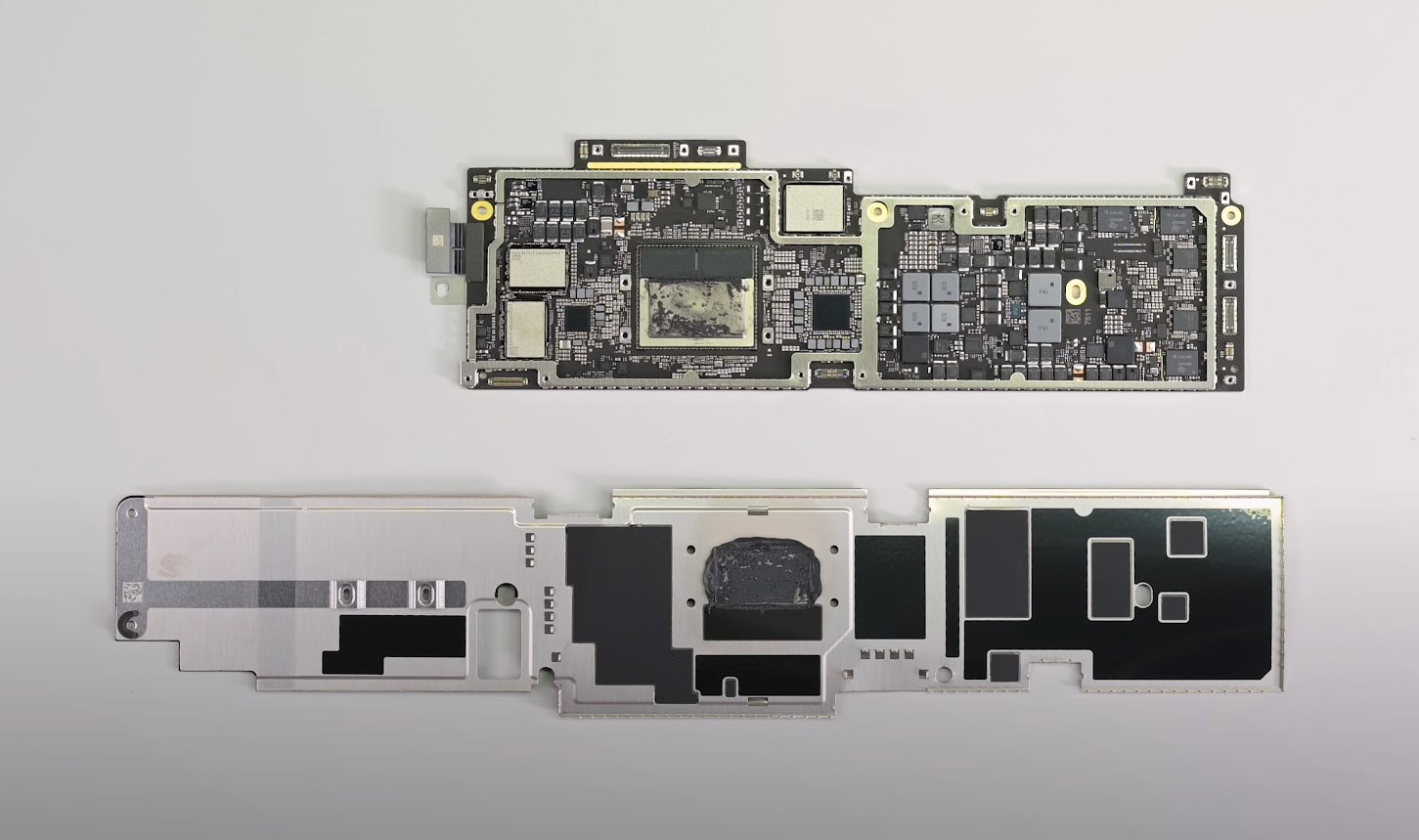
To compound the issue, Apple’s recent Mac designs have the RAM and storage permanently soldered onto the logic board, leaving no room for user upgrades. Those looking to increase their memory or storage capacity at the time of purchase are met with significant additional costs. This lack of flexibility and the expensive upgrade options can be a hurdle for customers, especially when considering the evolving demands of modern software.
Looking Ahead: Will Apple Update the Base Configuration?
As software applications continue to evolve and demand more resources, there’s an expectation that Apple may revise their stance and offer more substantial base memory configurations. For the moment, however, Apple users have to decide whether the 8GB unified RAM in the base models of the MacBooks will suffice for their needs or if investing in higher-spec models is necessary.
Conclusion
Ultimately, users need to weigh their needs against the capabilities of Apple’s 8GB unified RAM offerings. While this configuration may suit many casual users, for those engaged in more demanding workloads, considering an upgrade or a different model may prove beneficial. As user needs grow and software becomes more memory-intensive, only time will tell if Apple will adjust their MacBook configurations to meet these changing demands.