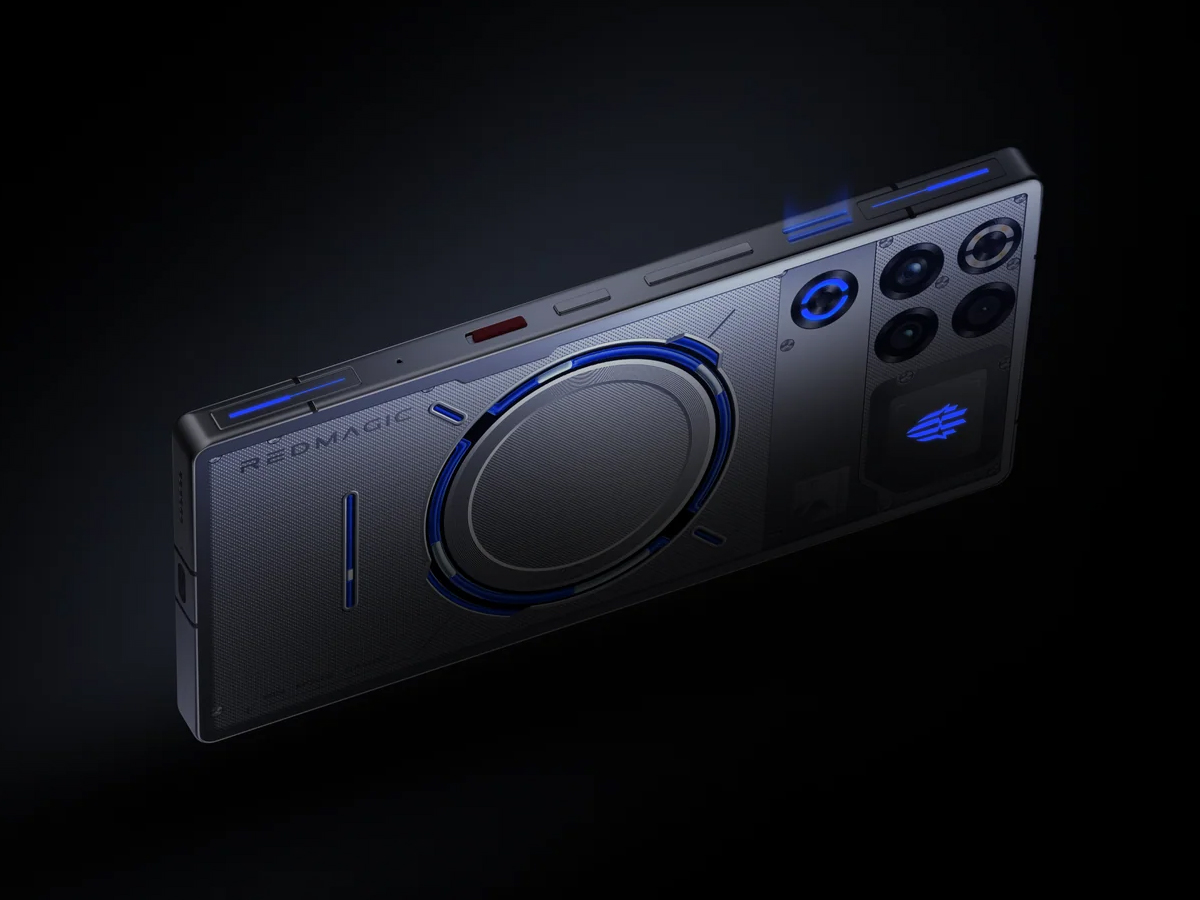
UL Solutions has removed the RedMagic 11 Pro gaming phone series from its benchmark rankings after concluding the devices broke the platform’s rules. The controversy isn’t about the phones using impossible hardware tricks to post fake numbers. Instead, the issue is that the RedMagic 11 Pro appears to push performance beyond normal thermal limits when it recognizes it’s running a benchmark, delivering scores that don’t reflect the default experience most users get in everyday use.
To explain its decision, UL Solutions shared findings from internal testing using two versions of the same 3DMark benchmark. One version is the standard public release that any user can download. The second version was essentially the same test but renamed so the phone wouldn’t identify it as a benchmark app.
The results showed a clear split in how the RedMagic 11 Pro behaved. When running the public version, UL Solutions found the phone automatically switched into its high-performance setting, often referred to as “Diablo” mode. When running the renamed version that the phone did not recognize as a benchmark, the test ran under the regular performance profile instead. That difference mattered: the recognized benchmark produced a score that was about 24% higher.
UL Solutions pointed out that its rules do allow performance modes, including optional high-performance settings, but there’s an important condition: they shouldn’t be enabled by default. In other words, users can choose an extreme mode, but a phone shouldn’t automatically toggle that setting just because it detects a benchmark is running. From UL Solutions’ perspective, automatic benchmark detection creates an unfair comparison because rankings are meant to reflect consistent, default performance behavior.
Nubia, the parent company behind RedMagic, responded by defending its approach, arguing that its performance profiles aren’t “unethical” and are intended to give users more control. However, the statement did not directly address the core accusation: that the phone may be automatically changing performance behavior specifically when it identifies benchmarking software.
Beyond ranking disputes, there are also practical concerns for real-world gaming and sustained performance. Some users have reported instability when using the highest performance mode, including crashes and severe overheating. That lines up with the broader criticism implied in UL Solutions’ report: pushing aggressive performance levels—especially by relaxing thermal safeguards—can create impressive short-burst scores while increasing the risk of heat-related throttling, instability, or uncomfortable device temperatures during longer sessions.
While the RedMagic 11 Pro is now in the spotlight, UL Solutions’ findings also highlight a wider industry pattern. Similar benchmark-detection and performance-boosting tactics have surfaced in the smartphone world before, with other brands and chipmakers accused of raising performance when benchmarks or heavy workloads are detected, sometimes by disregarding thermal design recommendations.
For buyers comparing gaming phones, the takeaway is simple: benchmark rankings can be useful, but they’re most trustworthy when devices are tested in consistent default conditions. If a phone automatically jumps into an extreme performance mode to generate higher scores, those numbers may not match what you’ll experience during normal daily use—or even during extended gaming sessions.