UK lawmakers have stepped into a growing consumer rights flashpoint: gamers losing access to titles they paid for. On November 3, MPs held a Westminster Hall debate prompted by e-petition 702074, “Prohibit publishers irrevocably disabling video games they have already sold.” The petition calls for updates to consumer law to stop publishers from rendering purchased games unplayable, with a particular focus on live service releases that depend on centralized servers.
Opening the session, Ben Goldsborough, MP for South Norfolk, spoke not just as a legislator but as a lifelong gamer, citing titles like Cities: Skylines, Victoria II, and the Oddworld series. He underscored the industry’s significance to the UK, noting it contributes £7.6 billion to the economy, supports over 75,000 jobs, and acts as a cultural powerhouse that shapes storytelling, art, music, and technology.
Goldsborough zeroed in on how live service models have complicated the idea of ownership. When servers go offline, he said, a player’s investment can vanish overnight. Without clear notice, communities built over months or years can evaporate, leaving purchasers with nothing to show for their money or time. That uncertainty is what the petition aims to address: transparency and accountability at the point of sale.
Preservation concerns gave the debate added urgency. Citing a 2023 study by the Video Game History Foundation, Goldsborough highlighted that 87% of games released prior to 2010 are considered critically endangered, no longer commercially available in either physical or digital form. As gaming’s historical record diminishes, so do the experiences and innovations that shaped the medium.
Warinder Juss, MP for Dudley North, drew a sharp consumer comparison. People would not accept their smartphones being remotely disabled just because a new model has launched, he argued, so why should gamers accept the effective deletion of thousands of pounds worth of purchased titles when newer releases arrive? The analogy resonated with the core issue: once you’ve bought a product, there’s an expectation it remains usable for a reasonable period.
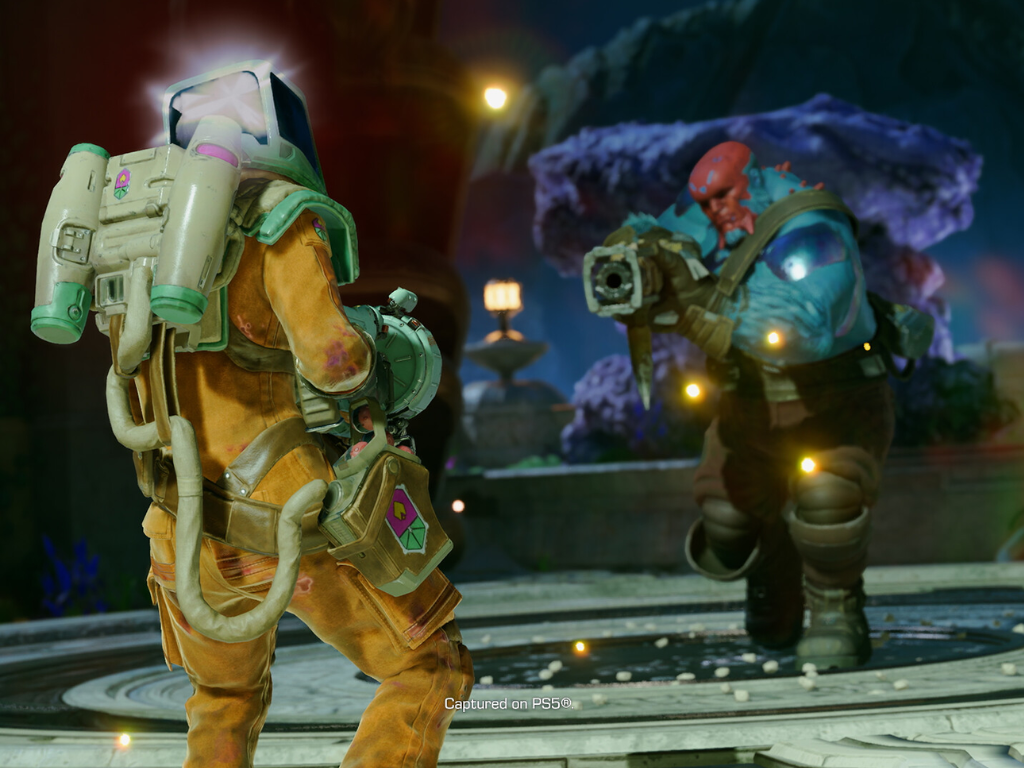
A recent, high-profile example amplified the debate. Sony’s Concord, a live-service shooter for PlayStation 5 and Windows released in August 2024, saw its servers shut down within weeks following a disappointing launch. Henry Tufnell, MP for Mid and South Pembrokeshire, pointed to the case as emblematic of the risks consumers face. While Sony refunded purchases, he stressed that refunds are not always guaranteed when games are pulled. If publishers do not make a game’s likely lifespan and server dependency clear at the point of sale, he argued, they should be held to account.
Throughout the discussion, MPs navigated a delicate balance between consumer protection and the need to support innovation. Goldsborough cautioned against heavy-handed rules that could hamper creativity and growth in a sector where the UK excels. Still, he maintained that players deserve clarity. If a game is likely to go offline, tell buyers upfront. If access hinges on servers, be explicit. If a shutdown occurs, provide fair remedies.
The debate captured broader questions about digital ownership in an era when many games function more like services than standalone products. For players, the stakes are both financial and emotional: purchases can become inaccessible, communities can be dissolved, and cultural artifacts can vanish before they are preserved. For developers and publishers, the challenge lies in setting fair expectations, communicating clear sunset timelines, and offering appropriate recourse when online services end.
As the petition gathers attention, two principles emerged from the session. First, transparency at the point of sale is essential—buyers should know if and when a game might go offline, how long services are expected to run, and what happens next. Second, accountability matters—if access is removed earlier than a reasonable consumer would expect, there should be a path to refunds or other remedies.
The conversation in Westminster suggests momentum toward clearer standards without stifling a thriving UK industry. Gamers want confidence that their purchases will remain playable for a fair span of time or that they’ll be treated fairly if a shutdown happens. The message from MPs was straightforward: live service business models may be evolving, but consumer rights and clear communication must evolve with them.