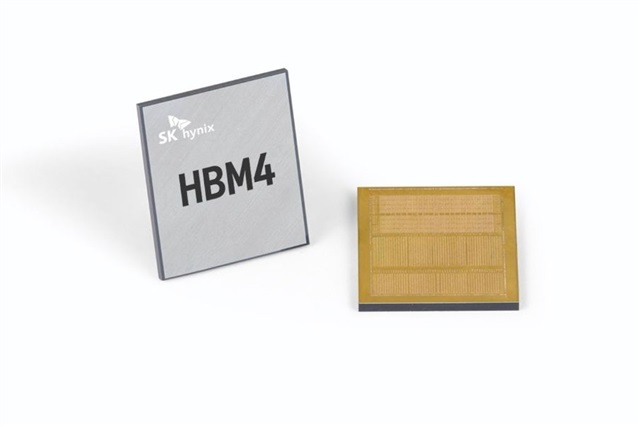
SK Hynix has reportedly raised prices for its sixth-generation high-bandwidth memory, HBM4, by more than 50% compared to HBM3E in a supply agreement with Nvidia. According to industry sources, the successful negotiation reflects surging demand for AI compute and positions SK Hynix to strengthen both profitability and its leadership in the premium memory market.
HBM has become the critical fuel for modern AI accelerators, where power efficiency and bandwidth matter as much as raw compute. HBM4 is designed to deliver higher throughput and greater capacity than HBM3E, enabling faster training and inference for large-scale models. That performance premium, combined with tight global supply and complex manufacturing, is giving suppliers leverage to command higher contract prices.
Why the price jump now? Several factors are converging:
– Demand far outstrips supply. AI data centers are expanding quickly, requiring more memory per accelerator and more stacks per package.
– Manufacturing is difficult. HBM relies on advanced through-silicon vias, 3D stacking, and strict thermal management, which push yields and costs.
– Packaging capacity is a constraint. Advanced packaging lines must align with foundry schedules, creating bottlenecks that further tighten availability.
– Product leadership commands a premium. Buyers prioritize the highest-performing HBM for next-generation accelerators, especially at large scale.
For SK Hynix, higher HBM4 pricing can lift margins and support continued investment in capacity, process technology, and packaging partnerships. Locking in strategic supply with a top AI chipmaker also helps the company secure long-term visibility in a market where every additional wafer and packaging slot is heavily contested.
For Nvidia and its customers, pricier HBM4 raises the bill of materials for upcoming accelerators. Some of that added cost may be absorbed to maintain competitiveness, but downstream pricing and allocation could still be affected. Cloud providers and enterprises racing to deploy AI infrastructure may experience tighter supply prioritization or higher total cost of ownership, especially during the initial ramp of HBM4. It is too early to say how much of the increase will reach end buyers, but component costs are clearly moving higher.
The ripple effects could extend across the memory ecosystem. Once a benchmark price is established with a major buyer, other negotiations often follow. That could encourage broader price discipline among suppliers and accelerate capital spending aimed at expanding HBM capacity. Expect more announcements around new production lines, packaging expansions, and technology transitions as vendors work to meet demand while protecting profitability.
What to watch next:
– Ramp timing and yields for HBM4 as production scales beyond early batches.
– Capacity additions across memory fabs and advanced packaging facilities.
– The balance of supply among leading AI chipmakers and how that influences allocation.
– Potential shifts in accelerator design, such as memory stack counts and bandwidth targets, to optimize cost-performance.
Bottom line: a more than 50% price bump from HBM3E to HBM4 underscores just how pivotal high-bandwidth memory has become in the AI era. By securing higher pricing and supply alignment with a leading customer, SK Hynix is signaling confidence in sustained AI demand and its own technological edge—developments that could shape data center economics and next-generation accelerator roadmaps well into the coming year.