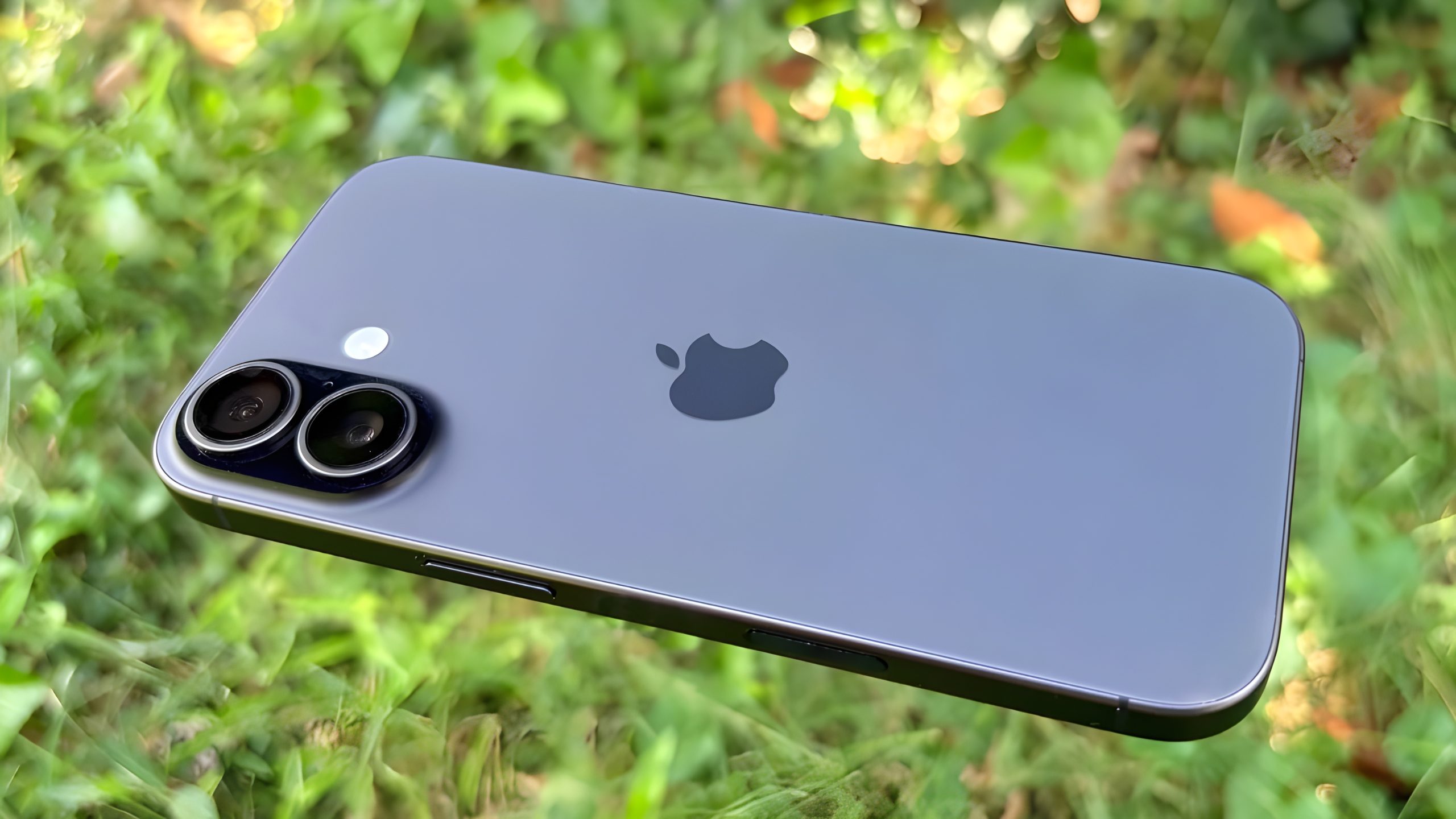
Apple’s hottest problem right now might be success. Demand for the base iPhone 17 is running so high that shipping times are stretching well beyond last year’s pace, reshaping the early sales mix and potentially capping Apple’s average selling price.
Multiple availability trackers show the trend clearly. As of September 22, the base iPhone 17’s ship time sits around 18 days, compared to roughly 10 days for the iPhone 16 at the same point last year. China is seeing the longest waits, with momentum likely boosted by a 15% government subsidy on electronics that covers the base model and the temporary absence of the iPhone Air while carriers await regulatory clearance.
It’s not hard to see why buyers are flocking to the entry model this cycle. The base iPhone 17 adds a stack of Pro-caliber upgrades while keeping the same $799 starting price as the base iPhone 16:
– 120Hz ProMotion display with variable refresh rate for smoother visuals and better battery efficiency
– New 48MP ultrawide camera replacing last year’s 12MP ultrawide on the base model
– 48MP main camera enabling 2x optical-quality telephoto zoom
– 18MP front-facing camera, up from 12MP on the base iPhone 16
– Doubled base storage to 256GB
Analyst checks echo the split in demand. Data tracking across 30 markets points to elevated year-over-year wait times for the base iPhone 17, while the other three models are seeing comparatively muted interest. Outside China, lead times for Pro and Pro Max look similar to last year, and demand for the iPhone 17 Air appears flat to down versus the 16 Plus. Suppliers are reportedly prioritizing the base model, though the biggest production adjustments typically kick in from November onward.
Pricing dynamics also matter. While the iPhone 17 Air and Pro lines saw price increases, the base iPhone 17 effectively received an implied price cut thanks to the jump to 256GB at the same $799 sticker. Combine that with surging demand for the entry model, and Apple’s ASP upside may be limited in the near term.
The takeaway: the base iPhone 17 is the breakout star, but that popularity could make Apple a victim of its own success if the mix skews too heavily toward the lower-priced variant. Do you think Apple will pivot production fast enough, or will this cycle redefine how buyers choose across the lineup? Share your thoughts in the comments.