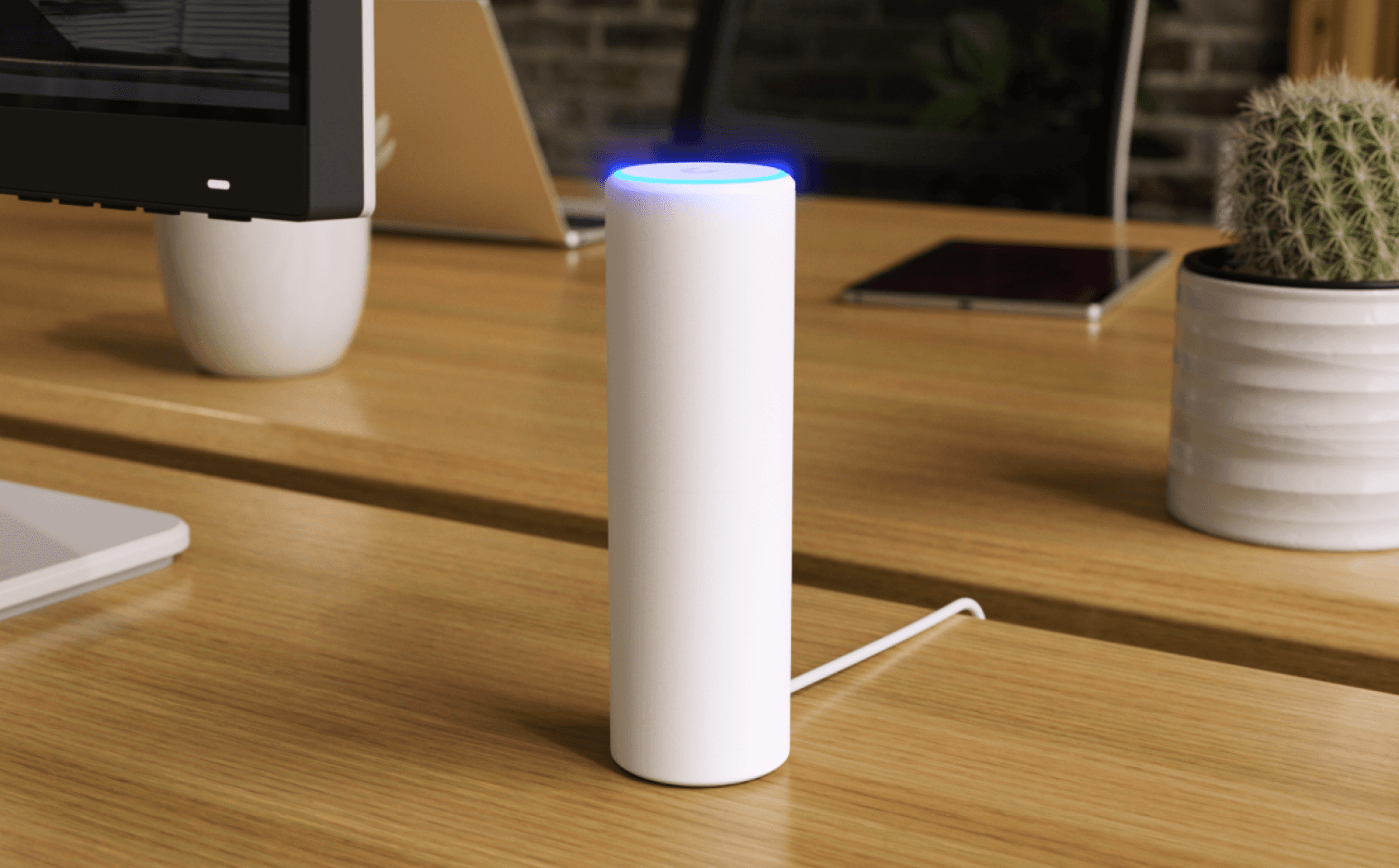
Ubiquiti has introduced its first Wi‑Fi 7 mesh access points, announcing the new U7 Mesh lineup just in time for Mobile World Congress. Built as the next step after the U6 Mesh, these new units are designed for people who want to expand reliable wireless coverage across larger homes, offices, and outdoor areas—while also preparing their networks for the latest Wi‑Fi standard.
At a glance, the U7 Mesh focuses on three big goals: modern Wi‑Fi 7 performance (802.11be), easier deployment in a mesh setup, and improved durability for installations that may need to handle the elements. Ubiquiti says the hardware has been completely redesigned, with particular attention given to stronger outdoor protection and a simpler installation process.
Range remains a major selling point. The U7 Mesh is rated for the same 140 square meters of coverage as its predecessor, and it supports directional antenna operation on the 5 GHz band. That directional capability can help create greater spacing between mesh nodes, which is especially useful when you’re trying to bridge rooms, floors, workshops, or detached areas without running extra cabling.
One surprise is that the maximum data rate listed for the 5 GHz band is slightly lower than the previous model, dropping from 4.8 Gbps to 4.3 Gbps with the shift to Wi‑Fi 7. Even so, the U7 Mesh is positioned as a better real-world performer when many devices are connected at once, with Wi‑Fi 7 advantages aimed at lowering latency and improving overall responsiveness in busy network environments.
There are a couple of important limitations to note for anyone shopping specifically for tri-band or 6 GHz support. While the 6 GHz band became a key feature with Wi‑Fi 6E, the U7 Mesh does not include 6 GHz. The unit is limited to 2.4 GHz and 5 GHz operation, so buyers looking for 6 GHz capacity will want to factor that into their decision—especially in areas with heavy 5 GHz congestion.
To improve device handoffs as you move around a building or property, Ubiquiti includes support for the 802.11k, 802.11r, and 802.11v roaming standards. In practical terms, this helps devices switch between access points more smoothly, which can make a noticeable difference for voice calls, video meetings, streaming, and gaming when you’re on the move.
On the wired side, the U7 Mesh includes a 2.5GbE port for network connectivity, making it a better match for faster internet plans and multi-gig network switches. Power is delivered via Power over Ethernet, and you’ll need either a PoE switch or a PoE injector. Ubiquiti includes a PoE injector in the box, which can simplify setup for users who don’t already have PoE hardware.
Another standout feature is flexible mounting for indoor or outdoor use. Ubiquiti sells the U7 Mesh with accessories for both installation types, so you can decide after purchase how and where to deploy it. For users who need IPX6 protection, the wall mount (with its rubber seal) is required—an important detail for anyone planning an outdoor installation. With this durability and mounting flexibility, the U7 Mesh also becomes an alternative to other outdoor-focused options in the same ecosystem.
Pricing is set at $199, positioning the U7 Mesh as a relatively accessible entry into Wi‑Fi 7 mesh networking—particularly for users focused on extending coverage, improving multi-device performance, and building a more future-ready network without stepping into higher-priced enterprise gear.