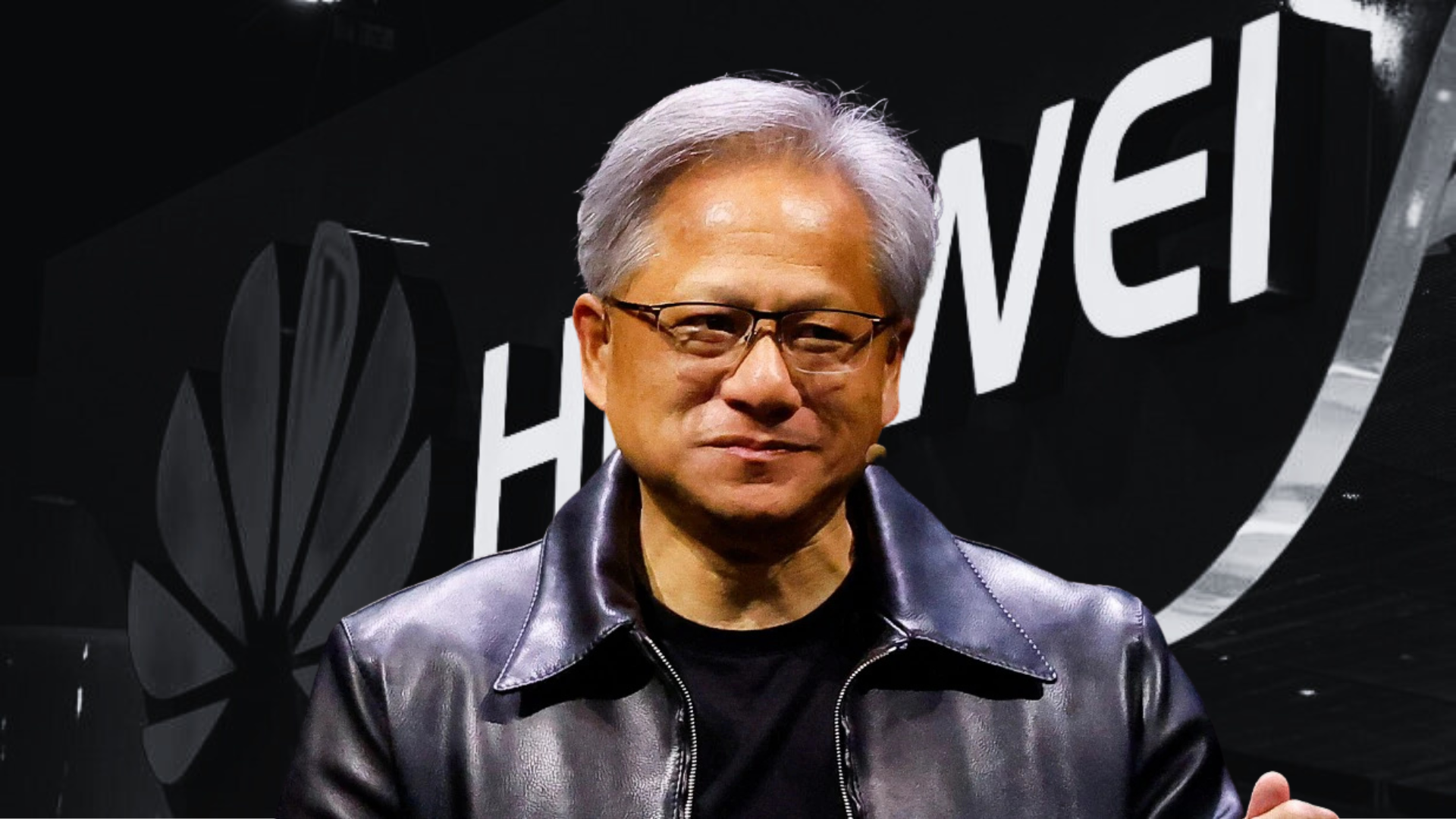
NVIDIA’s recent decision to lift the H20 export restrictions seems to have a deeper strategic purpose beyond mere trade relief. AI expert David Sacks reveals that this move is part of a larger effort to counteract rising competition from China, specifically targeting Huawei’s increasing presence in the AI industry.
Jensen Huang, NVIDIA’s CEO, shared that the company’s H20 AI chip is set to re-enter the Chinese market following a relaxation of US export controls. But there’s more to this story than just trade agreements. Sacks explains that one of the key motivations for lifting the ban was to challenge Huawei’s grip on the Chinese market.
The strategy is not about offering the best technology to China but about retaining a competitive edge. By not allowing Huawei to dominate, NVIDIA aims to secure a significant portion of the market with its available chips. Although these aren’t the latest models, they can significantly impact Huawei’s market share, preventing escalation into global competition with the US.
Sacks highlights that Huawei’s CloudMatrix solution poses a considerable challenge to NVIDIA, underlining the threat of Chinese alternatives to American AI supremacy. Both Sacks and Huang agree that restricting US technology exports could inadvertently strengthen China’s position. This alignment with Huang’s viewpoint seems to have influenced US policy decisions, reflecting concerns about China’s accelerating AI capabilities.
With the anticipated reopening of NVIDIA’s business in China, there’s renewed interest from domestic cloud service providers in American technology. Sacks also believes that allowing access to US AI chips in regions like the Gulf is crucial to prevent China from dominating markets similar to how it has impacted the telecom industry. The US had to decide whether to allow Chinese technological influence to expand or to relax its controls on NVIDIA’s exports.
As NVIDIA prepares to re-engage with the Chinese market, the company’s strategies and offerings will be closely watched. Their efforts to recapture lost market share might significantly influence the competitive landscape and the dynamics between US and Chinese tech firms.