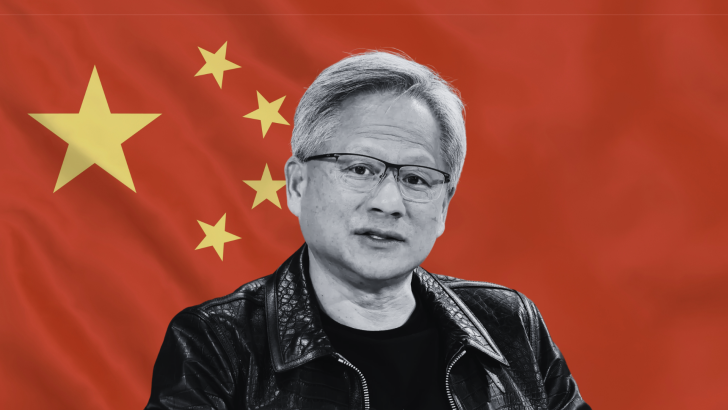
The recent news about the lifting of the ban on NVIDIA’s H20 AI chip in China was initially met with enthusiasm, but it has unveiled a layer of complex production challenges that might not be immediately apparent.
Although NVIDIA CEO Jensen Huang announced that the restrictions would be eased, allowing the company to sell H20 AI chips in China, actualizing this plan is proving to be trickier than expected. The market in China has been eager for high-end AI chips due to a prolonged period of limited access. Initially, NVIDIA plans to dip into its existing inventory to meet this burgeoning demand. However, production troubles loom on the horizon.
Several of NVIDIA’s supply chain partners, including key manufacturers, had shifted their production lines to accommodate different products when the original export restrictions were implemented. With the easing of restrictions, the prospect of restarting production for the H20 AI chips isn’t as straightforward. Companies like TSMC, for example, are hesitant to resume production of wafers for the H20, highlighting a tremendous demand for other chip nodes. Even if production were to resume, there would be significant delays before these chips hit the market, potentially hindering NVIDIA’s ability to quickly capitalize on Chinese demand.
Should the AI supply chain not receive substantial orders for the H20 chip, the restart of production could become economically challenging. Investment analysts estimate that NVIDIA aims to ship millions of these units, mostly leveraging their current stockpile. However, future production volumes are still uncertain.
Looking ahead, NVIDIA might consider alternatives. The plan could involve clearing out the H20 inventory initially to account for past financial setbacks, then pivoting to develop newer solutions tailored for China. Speculations suggest new products like the B20 AI chip, RTX PRO 6000D, and B30 AI chip could fill various niches within China’s AI market. This strategy could inspire suppliers to establish new production lines, steering clear of heavy reliance on the H20.
Although the outlook seems promising, uncertainties remain in how NVIDIA will navigate its business in China due to the intricate complications surrounding the H20 chip production resumption. These challenges mean a bumpy road ahead for NVIDIA, potentially extending into the end of the year.