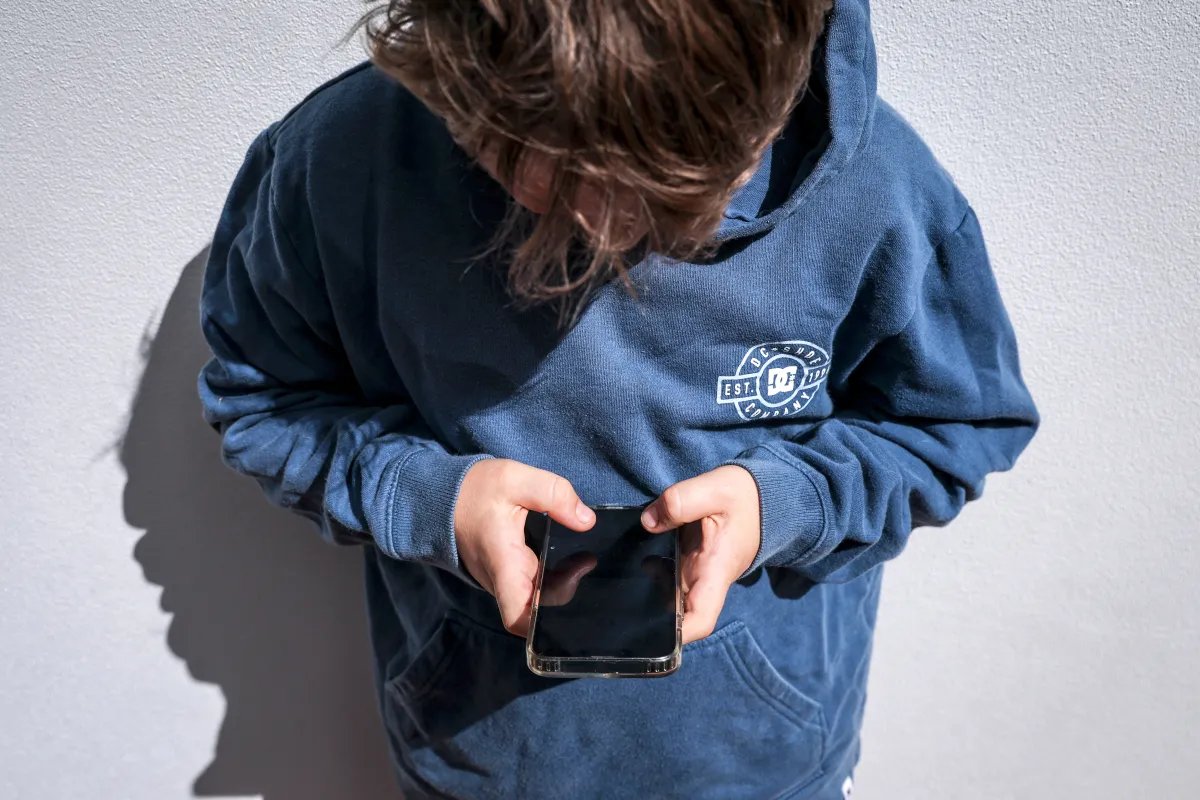
Around the world, governments are moving quickly to limit children’s and teens’ access to social media. What started as a rising policy idea has turned into a wave of proposed and passed legislation, with Australia setting an early benchmark that other countries are now watching closely.
Supporters of these restrictions say the goal is straightforward: reduce the pressures and risks young people can face online. Lawmakers often cite concerns such as cyberbullying, addictive platform design, mental health impacts, and exposure to sexual predators. The debate, however, is far from settled. Privacy advocates and civil liberties groups warn that strict age checks can lead to invasive verification systems, and critics argue that blanket bans may be difficult to enforce while failing to reflect how younger generations communicate and learn.
Even with those concerns, multiple countries are pushing forward. Here’s where social media bans or major restrictions for young users stand right now, based on the latest announced plans and legislative steps.
Australia
Australia became the first country to implement a nationwide social media ban for children under 16 in December 2025. The restriction covers major platforms including Facebook, Instagram, Snapchat, Threads, TikTok, X, YouTube, Reddit, Twitch, and Kick. Notably, WhatsApp and YouTube Kids are not included.
A key part of Australia’s approach is where it puts responsibility: the government says social media companies must take steps to keep under-16 users off their services. Platforms that fail to comply can face penalties of up to 49.5 million AUD (about 34.4 million USD). Australia also stresses that platforms can’t rely on users simply typing in their birthdate, and instead should apply multiple methods of age verification.
Austria
Austria announced in late March that it intends to ban social media for children up to age 14. Draft legislation is expected to be finalized by June.
Denmark
Denmark is preparing a ban on social media for children under 15. The government said in November 2025 it had secured support across several parties, increasing the likelihood the plan becomes law. The timeline could put implementation as soon as mid-2026. Denmark’s digital affairs ministry is also developing a “digital evidence” app that includes age verification tools that could play a role in enforcement.
France
French lawmakers passed a bill in late January that would prohibit social media use for children under 15. President Emmanuel Macron has backed the move, framing it as protection against excessive screen time. The bill still needs to pass the Senate before it can return for a final vote in the lower house.
Germany
In early February, Germany’s conservative leadership discussed a proposal that would bar children under 16 from social media. However, signals from coalition partners suggested hesitation about supporting a full ban, leaving the proposal’s path forward uncertain.
Greece
Greece has announced a clear start date. Prime minister Kyriakos Mitsotakis said in April that Greece will ban social media access for children under 15 beginning in January 2027. The government links the decision to rising anxiety and sleep problems among children, as well as concerns about addictive platform mechanics.
Indonesia
Indonesia said in early March it is banning social media and other widely used online platforms for children under 16. The plan is expected to begin with major services and popular online platforms such as YouTube, TikTok, Facebook, Instagram, Threads, X, Bigo Live, and Roblox.
Malaysia
Malaysia announced in November 2025 that it plans to ban social media for children under 16, with implementation targeted for this year.
Poland
Poland’s ruling party is drafting legislation that would ban social media use for children under 15.
Slovenia
Slovenia is preparing legislation that would prohibit social media access for children under 15. Officials have pointed to platforms where content sharing is central, including services such as TikTok, Snapchat, and Instagram, as examples of what the regulations aim to address.
Spain
Spain has announced plans to ban social media for children under 16, though the proposal still requires parliamentary approval. Separately, the government is also considering a measure that would make social media executives personally accountable for hate speech on their platforms, increasing potential legal exposure at the leadership level.
Turkey
Turkey’s parliament passed a bill in April to restrict social media access for children under 15. It still requires approval from President Recep Tayyip Erdogan to become law.
United Kingdom
The UK is considering whether to ban social media for children under 16, but says it will consult parents, young people, and civil society before deciding. Alongside the idea of a ban, the UK is also evaluating whether platforms should be required to limit or remove features associated with compulsive use, such as endless scrolling.
As more countries advance these policies, the global focus is shifting from the question of whether governments should act to how they’ll enforce age limits without creating new privacy risks. The next year is likely to bring clearer answers as draft bills become law, verification tools roll out, and governments test how well these restrictions work in practice.