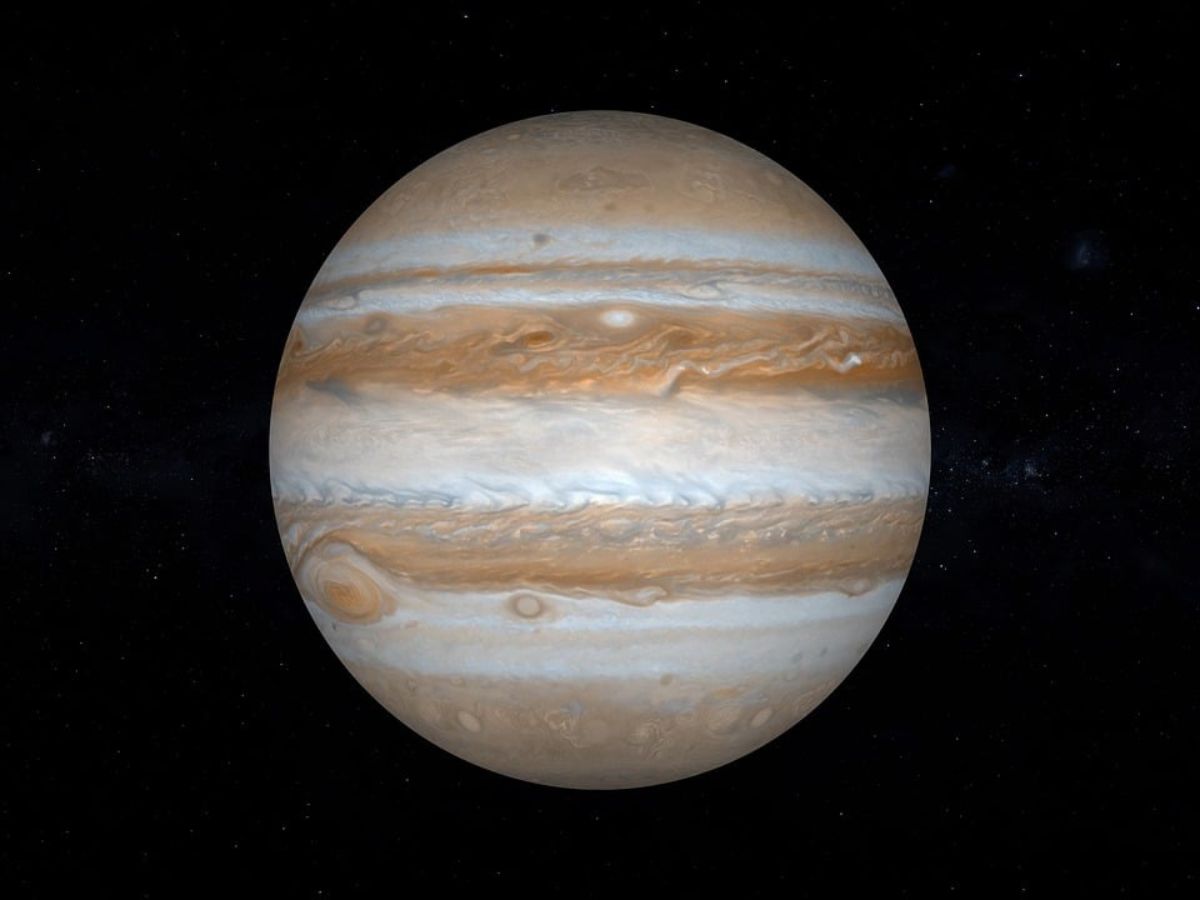
NASA’s Juno mission is facing an uncertain future as the ongoing U.S. government shutdown slows agency operations and stalls key decisions. The spacecraft, launched in 2011 and orbiting Jupiter since 2016, has delivered a treasure trove of discoveries about the gas giant’s atmosphere and the composition of its moons. Its longevity is remarkable, and the mission had been extended through September 30, 2025. But with the shutdown beginning October 1, 2025, the next steps for Juno remain in limbo.
The stakes are high. Juno has reshaped our understanding of the Jovian system and informed future exploration, including preparation for Europa Clipper, which is slated to reach Jupiter’s neighborhood in 2030. Many researchers want Juno’s work extended to that timeframe to provide continuous observations and a smooth handoff, maximizing the scientific return. However, during a shutdown, the agency cannot unilaterally approve or fund further extensions, leaving critical planning on hold.
Sustaining a deep-space mission takes more than spacecraft health—it requires consistent funding and a dedicated team to operate the probe and analyze its stream of data. If budgets stall or staffing is interrupted, key measurements could be delayed or lost, and carefully timed opportunities may slip by. Layered onto this are political headwinds; past critiques of NASA’s priorities by prominent figures have added uncertainty to long-term mission planning.
What happens next will determine whether Juno continues to deliver close-up science from Jupiter or begins winding down after years of groundbreaking work. An extension would keep its instruments trained on the planet’s atmosphere and moons, providing valuable context for Europa Clipper. Without it, an important window into the outer solar system could close sooner than many scientists had hoped.
For now, Juno’s future hinges on when government operations resume and how upcoming budgets address planetary science. The mission remains a proven powerhouse of discovery—one that many hope won’t go dark just as the next chapter of Jupiter exploration approaches.