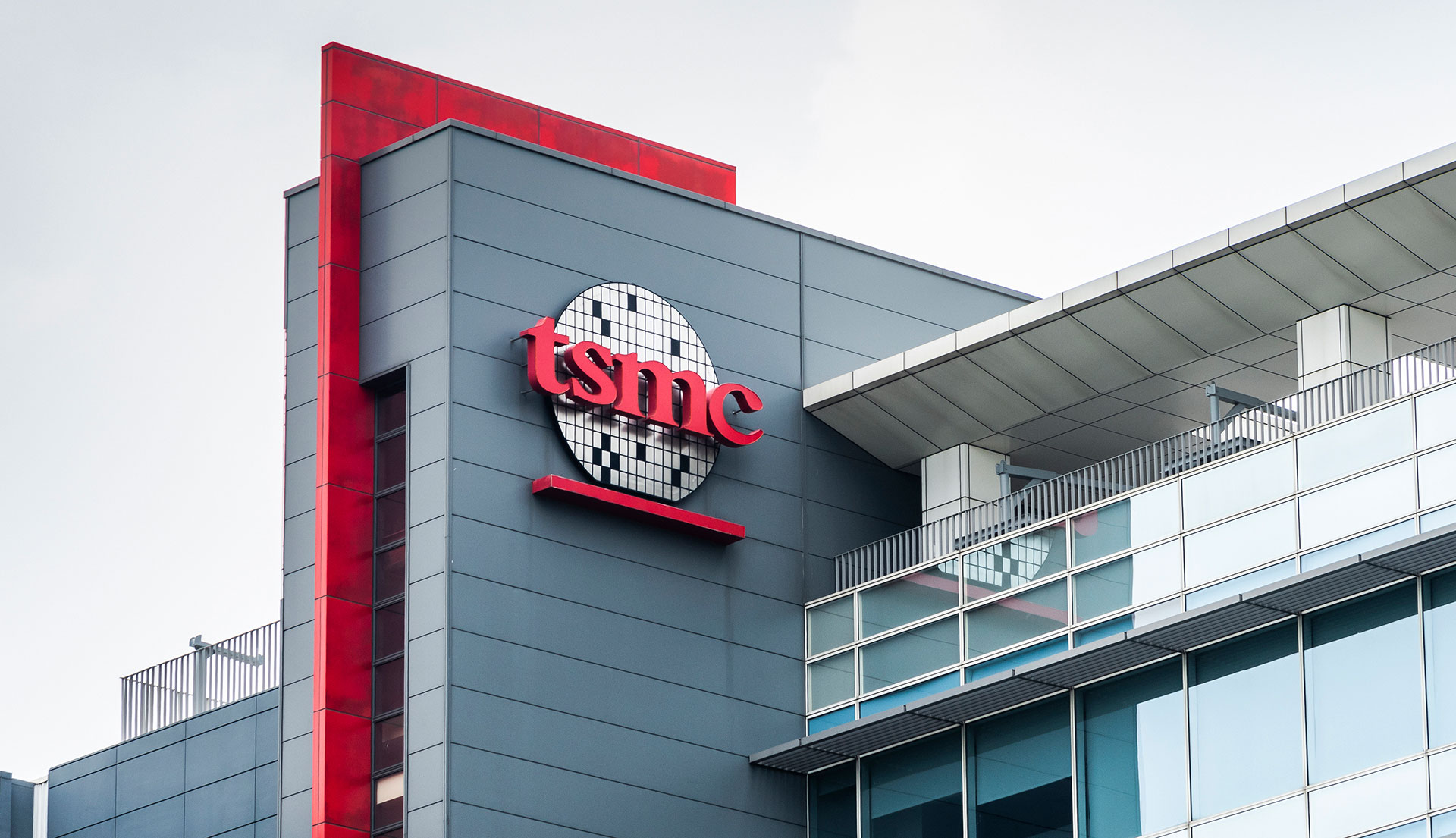
TSMC is accelerating its push into American chipmaking, revealing plans to acquire a second piece of land in Arizona to expand its US fabs and fast-track next‑generation process technologies. The move comes amid surging demand for advanced chips driven by AI, with major clients such as NVIDIA, AMD, and Apple seeking more US-based production.
The company already manufactures 4nm chips at its Arizona facilities and now intends to bring N2 and subsequent nodes stateside sooner than originally planned. During its latest earnings call, leadership emphasized that AI-fueled, multiyear demand is prompting a faster upgrade path and the need for additional land nearby to provide flexibility as capacity scales.
This expansion signals a deeper commitment to producing cutting-edge semiconductors in the United States. TSMC is positioning its Arizona campus to host some of the most advanced nodes in the world, with the company aiming to introduce 2nm manufacturing in America as early as the second half of 2026. Longer term, plans also include a path toward A16 (1.6nm) production in Arizona, reflecting the outsized share of revenue coming from US customers and the strategic importance of localizing advanced manufacturing.
As N2 ramps in the US, the technology gap with Taiwan should narrow, shifting more leading-edge capacity westward while strengthening supply resilience for AI data centers, high-performance computing, and premium consumer devices. If everything stays on track, TSMC would become the second company to bring 2nm-class production to the US, underscoring how quickly the domestic ecosystem for advanced chips is maturing.
Key takeaways:
– TSMC will acquire a second land parcel in Arizona to expand its US fabs.
– 4nm is already in production; N2 and more advanced nodes are being prioritized for the US.
– AI demand from NVIDIA, AMD, and Apple is driving a faster upgrade timeline.
– 2nm production in the US could arrive as early as H2 2026.
– The roadmap includes planning toward A16 (1.6nm) manufacturing in Arizona.
– Expansion supports multiyear demand and strengthens the Made in USA momentum for advanced semiconductors.