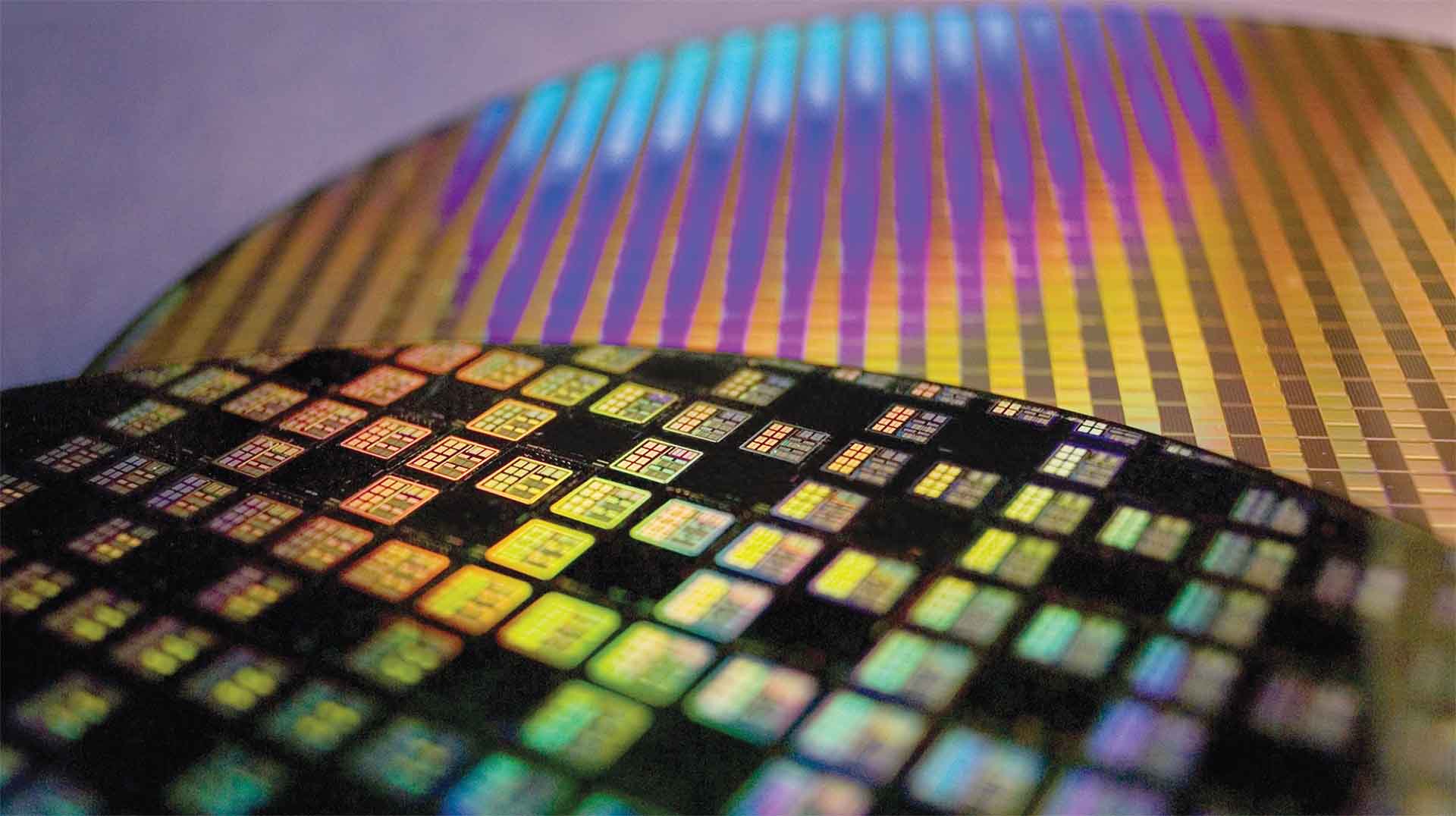
TSMC is ramping up its chip production capacity as demand for advanced manufacturing nodes surges, driven largely by the rapid expansion plans of major AI companies. With AI firms committing to multi-year investments in new computing infrastructure, the need for cutting-edge processors is rising fast, and chip supply is feeling the strain.
As the world’s top contract chipmaker, TSMC is benefiting from this wave of orders, but its production lines are also under intense pressure. Demand for advanced nodes has grown so quickly that supply remains tight, especially for the most sought-after technologies used in modern AI accelerators and high-performance processors.
To address this, TSMC is pushing hard to expand output on its newest and most in-demand process technologies: 3nm and 2nm. These manufacturing nodes are crucial for the next generation of AI chips because they help deliver higher performance and better power efficiency, two factors that matter enormously in data centers scaling up for AI workloads.
On the 3nm side, TSMC is expected to increase production capacity to about 180,000 wafers per month, up from roughly 150,000 wafers per month today. That’s a significant boost intended to relieve pressure from ongoing orders and future customer demand.
TSMC’s 2nm expansion is also moving quickly. Capacity for 2nm is projected to reach around 100,000 wafers per month by the end of 2026, reflecting how quickly customers are lining up for the next major leap in semiconductor manufacturing.
During a recent earnings call, TSMC CEO C.C. Wei indicated the company is investing heavily to accelerate expansion of existing fabrication plants while also building new facilities. Even with these aggressive moves, the supply situation may remain constrained for some time. Wei has suggested that shortages could extend into 2027 as major buyers continue renewing and increasing wafer orders. Companies widely associated with continued strong demand include NVIDIA, AMD, Apple, and other large chip customers relying on leading-edge manufacturing.
This tight supply environment also creates an opening for competitors in the semiconductor manufacturing space. Intel, in particular, could benefit as it scales up its foundry ambitions over the next few years. While Intel remains connected to TSMC through industry partnerships, its growing foundry business may attract more customers looking for additional capacity and alternative manufacturing options in a market where advanced node supply is increasingly difficult to secure.
In short, the AI boom is reshaping the semiconductor landscape in real time. TSMC is racing to expand 2nm and 3nm wafer capacity to keep pace, but even massive investments may not fully eliminate shortages immediately, making the next few years critical for both chip supply and the companies competing to manufacture the world’s most advanced processors.


