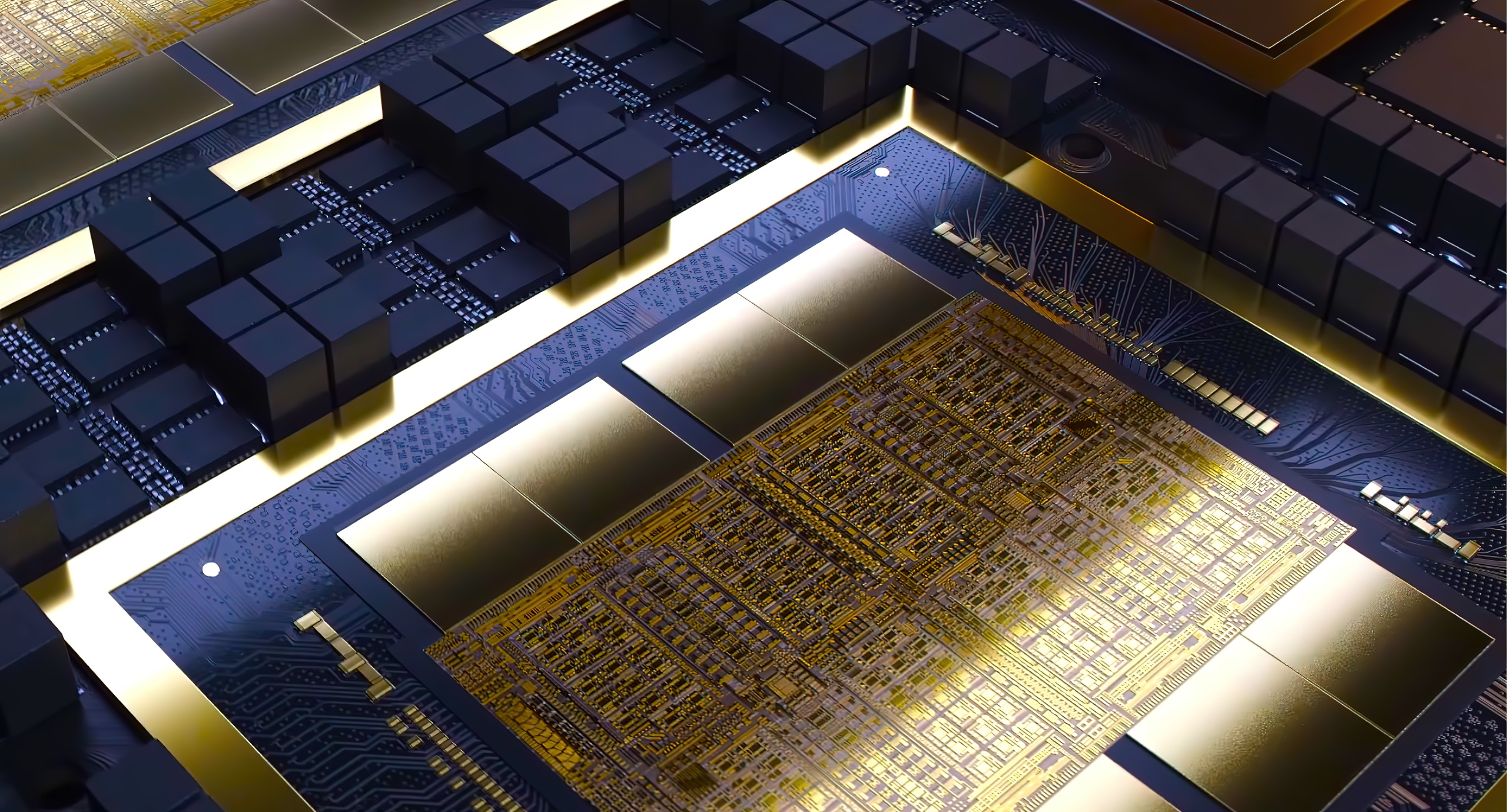
TSMC is gearing up to revolutionize the semiconductor industry with its next-generation CoW-SoW (System-on-Wafer) advanced packaging technology, anticipated to launch by 2027. This cutting-edge innovation promises to facilitate the creation of monumental AI and data center chips, addressing the rapidly evolving demands of the AI industry.
As the AI sector pushes for unprecedented levels of performance and precision, TSMC’s new CoW-SoW technology aims to integrate memory and logic chips into a single interface. This integration is expected to enhance performance and precision significantly, meeting the growing needs of modern AI applications.
One of the key drivers behind this technological leap is the complexity faced by AI chip manufacturers like NVIDIA. NVIDIA’s Blackwell architecture, recognized as the largest AI chip on the market, encountered delays due to manufacturing challenges. The intricate interconnect techniques required for these massive chips presented significant hurdles, prompting NVIDIA to revisit and redesign aspects of Blackwell.
The impact of these challenges extends to NVIDIA’s upcoming GeForce RTX 50 series consumer GPUs. To address similar problems, NVIDIA had to rework the design, including modifications to the top metal layer and bumps.
TSMC has already provided a preview of what CoW-SoW packaging can achieve. The company claims this technology will surpass current limitations, offering a staggering 40-fold increase in the reticle limit and enabling the integration of 60 times more HBM capacity, all thanks to a massive substrate. Aimed specifically at future data center clusters, TSMC plans to begin mass production of this packaging technology by 2027.
Interestingly, TSMC’s CoW-SoW technology is already being utilized by Cerebras, a key player in the AI market with the largest wafer-scale chip. This collaboration provides TSMC with invaluable experience in handling enormous AI chips, setting the stage for future advancements.
Although full integration of CoW-SoW isn’t expected until 2027, it opens up exciting possibilities for NVIDIA’s next-gen Rubin architecture, potentially leveraging this groundbreaking technology.
Anticipation is high for NVIDIA’s Blackwell architecture, which promises impressive performance enhancements. If initial claims hold true, it could become one of NVIDIA’s most successful products to date, marking a significant milestone in the realm of AI and data center technologies.