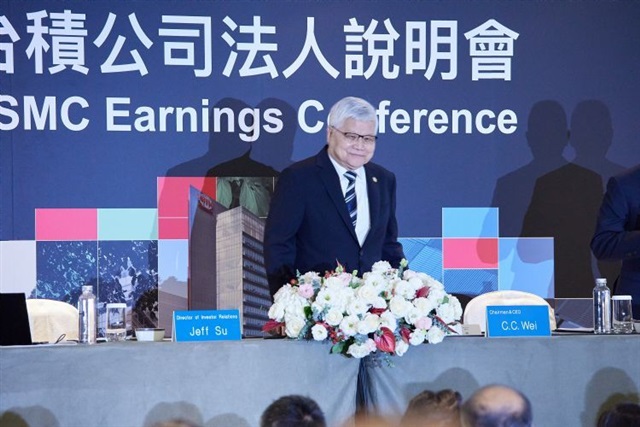
TSMC has outlined a fresh wave of expansion plans that signal where the global chip race is heading next. During its first-quarter 2026 earnings call, the company detailed how it plans to grow manufacturing capacity while pushing forward with its most advanced process technologies. The message was clear: Taiwan will remain the core hub for TSMC’s cutting-edge chip production, supported by tight coordination between research and development and high-volume manufacturing.
Chairman C.C. Wei emphasized that keeping leading-edge production anchored in Taiwan helps the company move faster from innovation to mass production. That tight feedback loop between engineers developing new processes and the factories that scale them up is one of TSMC’s biggest competitive advantages, especially as the industry approaches the complexities of 2nm and beyond.
A major highlight from the update is TSMC’s continued confidence in advanced node momentum. The company is progressing on next-generation process technology while also ramping capacity where demand remains strong. At the same time, TSMC is scaling up its 3nm production, a node that continues to attract major customers because it delivers strong performance gains and better power efficiency for premium devices.
This combination of advancing toward 2nm mass production and expanding 3nm capacity shows how TSMC is balancing today’s demand with tomorrow’s technology. It’s also a sign that the company expects sustained appetite for high-end chips used in AI computing, flagship smartphones, next-generation PCs, data centers, and other performance-focused applications.
For consumers, these manufacturing milestones matter more than they might seem. When a foundry like TSMC expands advanced chip capacity, it can help stabilize supply for top-tier processors and accelerate the arrival of more powerful, energy-efficient devices. For the industry, it reinforces TSMC’s central role in shaping the timelines for next-generation chips—and why leading-edge semiconductor manufacturing remains closely tied to Taiwan as the company’s primary base.