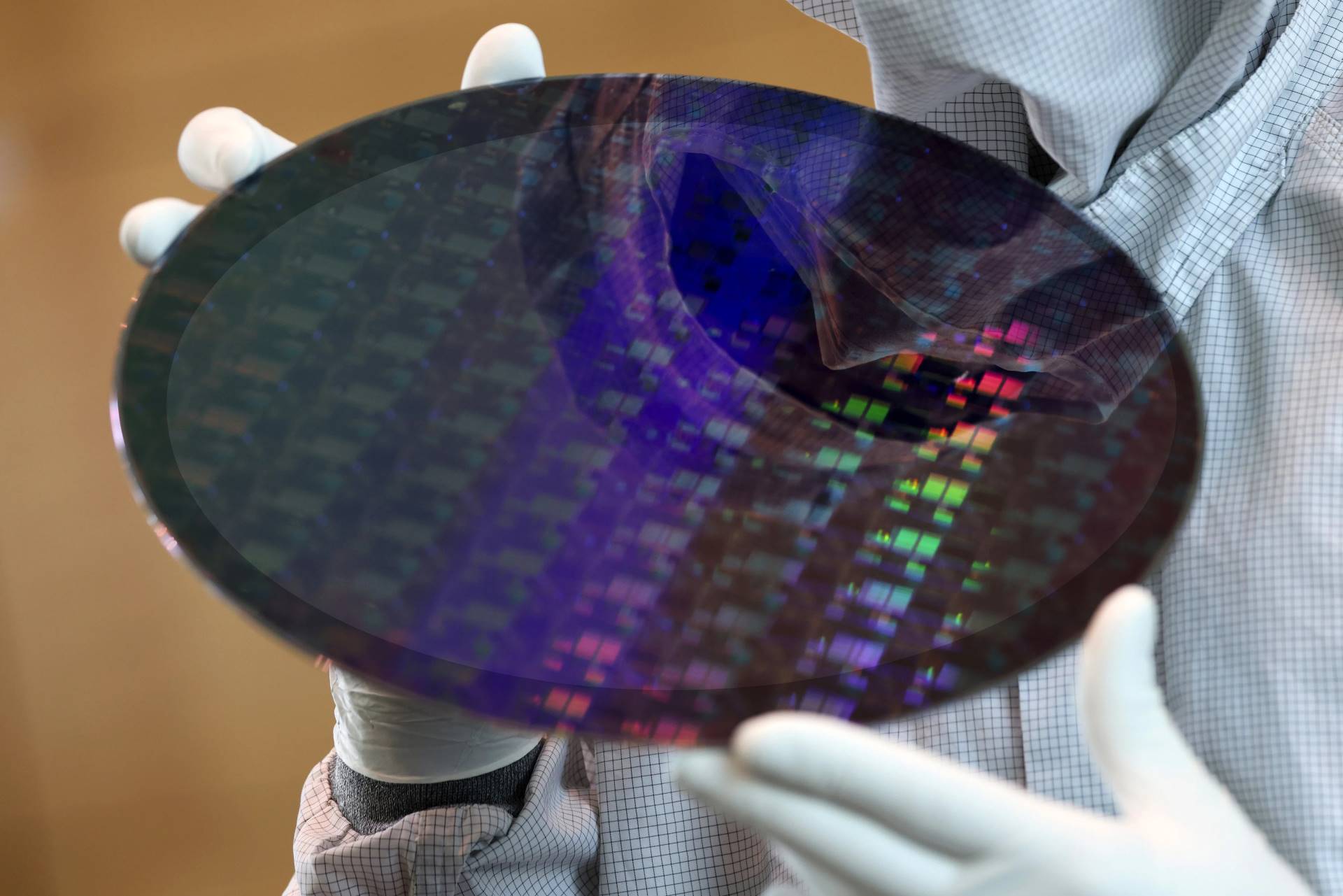
TSMC is reportedly seeing chip demand surge to the point that some customers are willing to pay eye-watering premiums—up to 100% extra—just to get their chips manufactured faster. In other words, for companies racing to ship the next wave of AI hardware, time matters more than cost right now.
This growing pressure is being fueled by the ongoing AI boom, which has rippled through nearly every major part of the tech supply chain. It’s not only about cutting-edge semiconductor manufacturing anymore. AI demand is also straining memory supply, advanced chip packaging capacity, and the broader ecosystem needed to deliver high-performance computing products at scale. As hyperscalers expand their AI infrastructure and GPU makers push aggressive release timelines, even the world’s most advanced chipmaker is being stretched.
According to a recent analysis from JPMorgan’s Gokul Hariharan, the situation has become so intense that expedited manufacturing has turned into a premium service. Customers are reportedly paying up to double to move their orders through the line on an “emergency” basis. While specific names weren’t mentioned, it’s easy to see why major AI chip players would be among those most motivated to speed things up. Fast product cycles and constant demand from data center buyers leave little room for delays, especially when new generations of AI accelerators are expected to arrive in rapid succession.
These accelerated orders are often described as “hot runs,” a term used for urgent production that gets prioritized over standard scheduling. For TSMC, this can translate into a revenue lift through what’s described as a high-mix service model—where a meaningful share of revenue growth can come from customers paying extra for faster turnaround. With premiums this large, expedited production isn’t just a minor add-on; it can become a notable contributor when capacity is tight and demand stays elevated.
However, hot runs also raise an important operational challenge: balancing speed with efficiency. Constantly reshuffling a production schedule to accommodate urgent orders can disrupt optimization across the fab, potentially increasing complexity and creating more opportunities for mistakes. The more frequently a production line is pushed into urgent-mode manufacturing, the harder it becomes to maintain peak efficiency across all customers and all designs.
What’s clear is that TSMC remains one of the most critical pillars of the global AI supply chain. As high-performance computing customers make up a larger portion of its business, the company faces growing expectations—not only to deliver leading-edge performance, but also to hit delivery timelines that keep the AI market’s momentum moving. And if customers really are paying up to 100% premiums for speed, it’s a strong signal that the AI hardware race has entered a phase where supply constraints—and how quickly they can be overcome—may shape the industry as much as the technology itself.