TSMC says it’s feeling the pressure of surging AI-driven chip demand, and the company’s latest Q4 2025 earnings update makes one thing clear: the boom isn’t cooling off. If anything, the AI race is pushing the world’s top contract chipmaker to expand faster and spend bigger than expected—because customers in high-performance computing are lining up for more capacity than TSMC can comfortably deliver right now.
A key takeaway from the quarter is how strongly the high-performance computing segment is powering TSMC’s results. The company’s platform breakdown shows HPC customers increasingly leading the charge, a trend widely tied to the massive wave of AI infrastructure spending across the industry. With data centers scaling up to train and run larger models, demand for advanced nodes and cutting-edge packaging has become intense—and TSMC appears to be at the center of this supply squeeze.
To keep up, TSMC is raising its capital expenditures much more aggressively. The company’s latest guidance puts planned spending at around $52 billion to $56 billion, covering everything from chip production capacity to advanced packaging, testing, mask making, and other critical parts of semiconductor manufacturing. That’s a sizable jump—about 31% year over year and notably above what many expected—signaling that TSMC believes the current AI-driven demand cycle has real staying power.
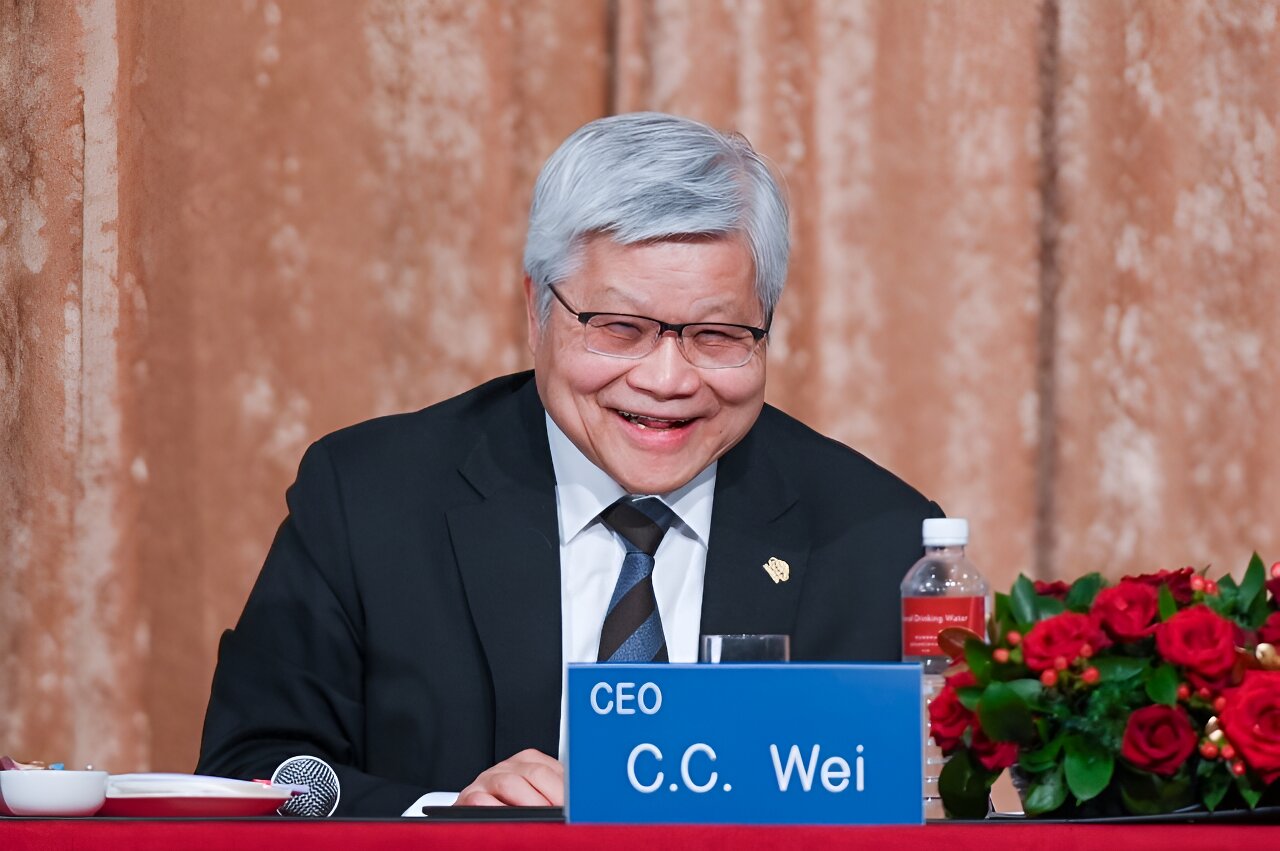
Interestingly, CEO C.C. Wei suggested this confidence wasn’t automatic. He shared that he was initially cautious about whether AI demand would be durable, but after meeting hyperscalers and key customers—and reviewing their financial strength—he concluded the demand is “real.” He also noted that customers appear to be in very strong financial condition, reinforcing the idea that the spending behind AI infrastructure has the funding to continue.
A significant portion of the investment is expected to flow into TSMC’s US expansion. The company reiterated plans that include bringing 2nm production to Arizona, with Fab 2 targeted to come online as soon as the second half of 2027. Beyond the timeline, one of the more notable details is Wei’s comment that production yields in Taiwan and the US are now “very close.” That suggests the manufacturing gap between regions is shrinking—an important point for both supply chain diversification and long-term scaling outside Taiwan.
All of this points to a market where demand is still outrunning supply. TSMC’s spending ramp and outlook imply capacity will remain tight through this year, especially as major customers continue booking wafer supply well in advance. When you combine ongoing AI acceleration with broad semiconductor demand across multiple industries, the outlook remains clear: advanced chip manufacturing capacity is still one of the most in-demand resources in global tech, and TSMC is spending heavily because it expects the pressure to continue.