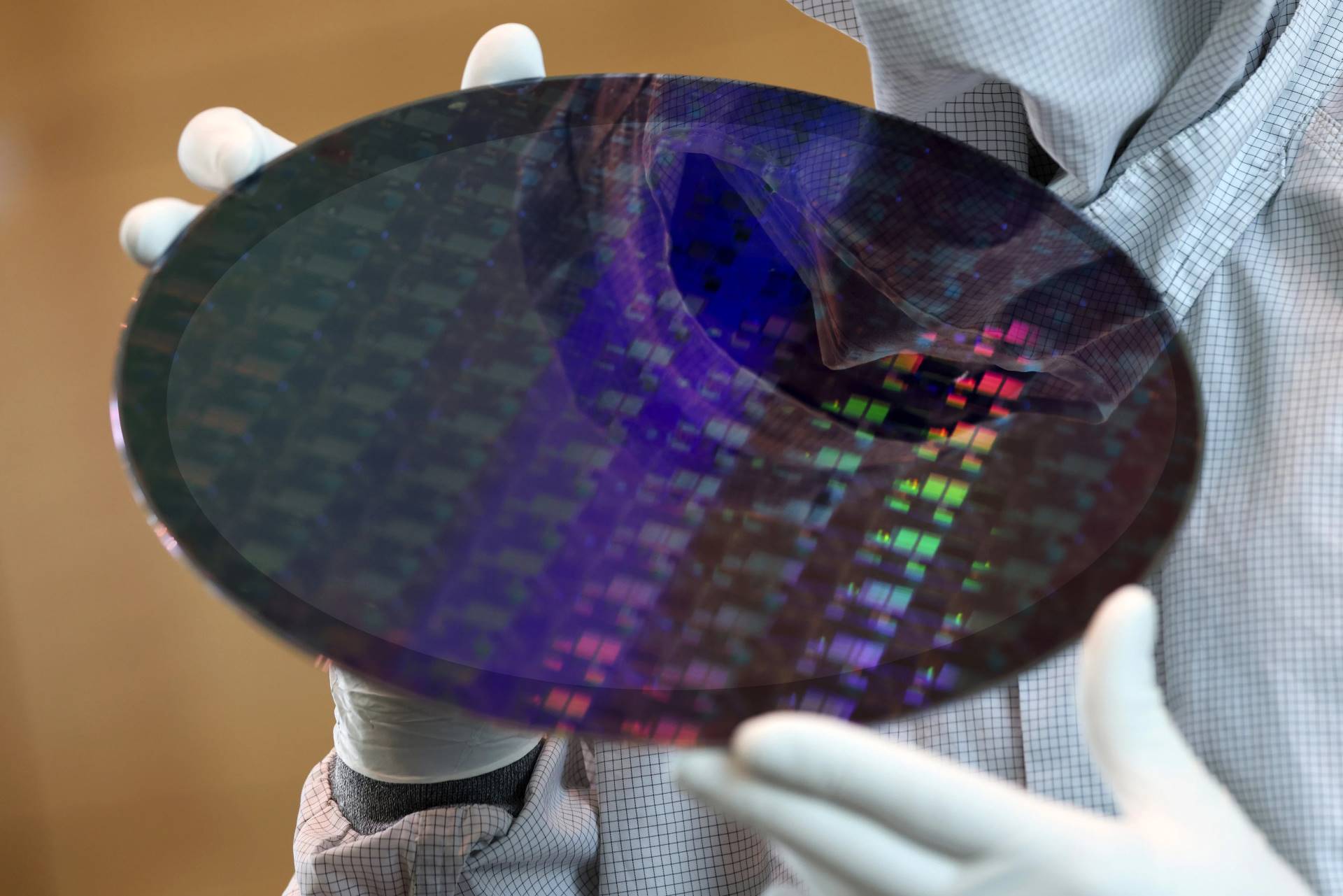
TSMC has become the center of attention in the semiconductor world, especially as the AI race pushes chip demand to unprecedented levels. With major fabless designers leaning heavily on TSMC for cutting-edge production, the company is benefiting from soaring revenue and extremely high factory utilization. But that surge in demand is starting to look almost too intense, creating real pressure on the world’s leading contract chipmaker.
In recent years, TSMC has captured an enormous share of advanced chip manufacturing, and the AI boom has only strengthened its position. High-performance computing and AI-focused customers have turned the company into the default destination for leading-edge production, driving utilization rates sharply upward. Reports indicate that some of TSMC’s most in-demand process technologies, including 5nm, 4nm, and 3nm, are facing tight supply conditions as orders continue to pile up.
That dominance comes with a catch: keeping up means spending aggressively. To stay ahead, TSMC is pushing major expansion plans across multiple nodes, including its next-generation 2nm process, while also maintaining strong supply for mainstream advanced nodes like 4nm. As a result, capital expenditure is expected to climb significantly in the coming years, with estimates pointing to spending reaching as high as $50 billion in 2026.
However, rapid expansion isn’t just about buying more tools and building more cleanroom space. The pace of growth is reportedly contributing to labor shortages and raising concerns across the supply chain. Suppliers are said to be worried about the higher costs tied to building out capacity at this scale. At the same time, market realities complicate pricing decisions, since suppliers may struggle to raise prices even while demand is high and the workload expands.
Beyond wafer production itself, advanced packaging is becoming one of TSMC’s biggest pressure points. As AI and HPC chips increasingly rely on sophisticated packaging approaches to deliver performance and efficiency gains, capacity in this area can turn into a serious bottleneck. The rapidly rising packaging needs from top-tier customers are pushing TSMC to expand aggressively, but that expansion takes time and investment—while demand keeps accelerating.
Competitive pressure is also building in advanced packaging. Alternatives are becoming more attractive when capacity constraints limit availability, and some customers are exploring other options in the market. As competition heats up, the packaging segment could become a key battleground alongside cutting-edge process nodes.
TSMC’s business may be booming, but the semiconductor industry doesn’t always reward “one company serves everyone” dynamics. In a market where many leading chip designers have limited alternatives for top-tier manufacturing, the burden of meeting global demand falls heavily on TSMC. Until other foundry players can match its level of external adoption and competitiveness, the company remains the primary pillar supporting much of the AI chip supply chain—and that means the pressure to expand efficiently, manage costs, and solve capacity bottlenecks isn’t easing anytime soon.