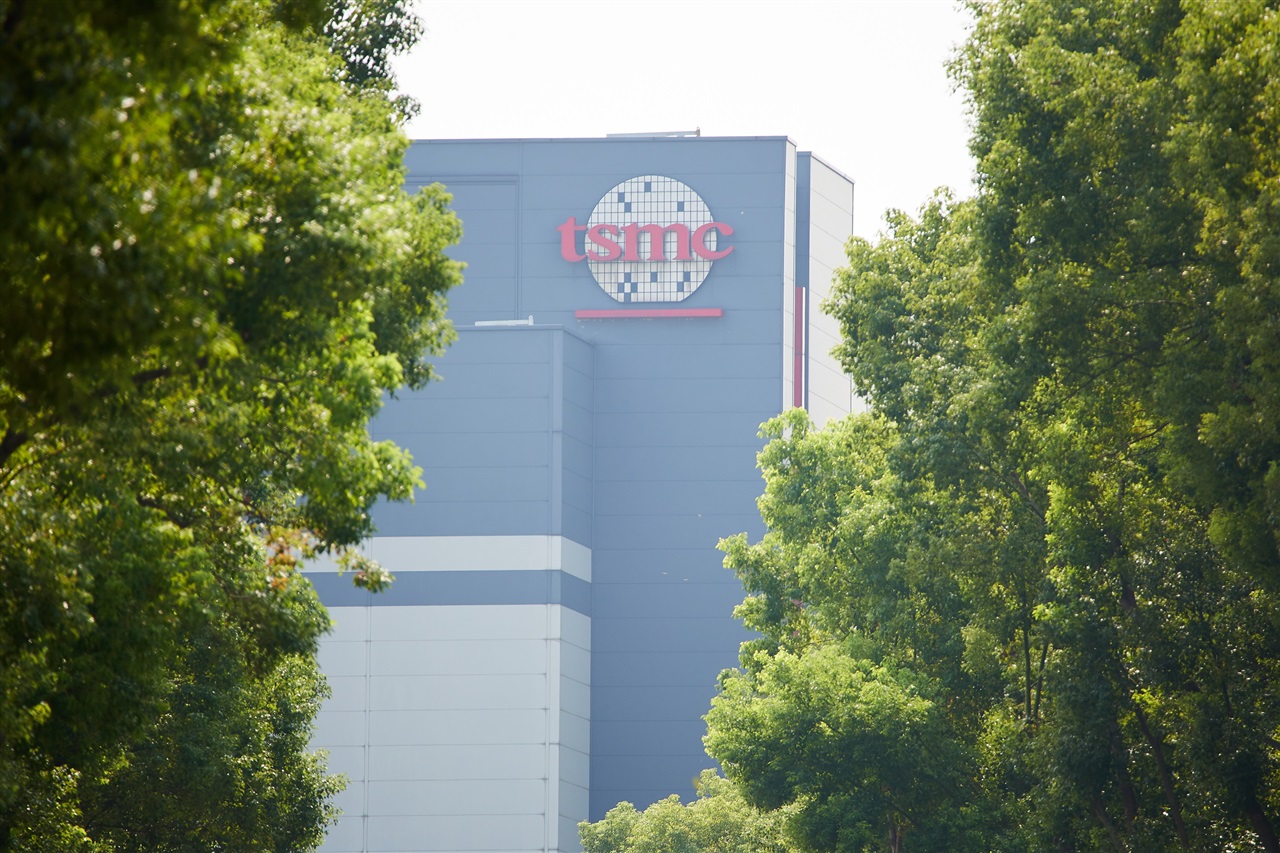
Taiwan Semiconductor Manufacturing Co. (TSMC) is coming off a year of exceptional momentum, fueled largely by the global surge in artificial intelligence. As demand for advanced AI chips keeps accelerating, the world’s largest contract chipmaker is moving to cement its advantage with a 2026 plan built around two major themes: record capital spending and a management overhaul that signals a new era for the company.
After riding the AI boom through a period of extraordinary growth, TSMC has approved a strategy for 2026 that raises the stakes on expansion. The company is preparing to pour unprecedented levels of investment into its manufacturing capabilities, underscoring how central cutting-edge chip production has become to everything from data centers and cloud computing to next-generation consumer devices.
At the heart of the plan is massive capital expenditure aimed at strengthening TSMC’s lead in advanced process technology and scaling production capacity to meet long-term demand. The company’s spending ambitions also reflect a broader industry reality: AI workloads are pushing semiconductor requirements to new extremes, making leading-edge fabrication both more valuable and more difficult to replicate.
Alongside the investment push, TSMC is implementing one of the most consequential management reshuffles in its history. Leadership changes of this scale are rare for the company and suggest a deliberate effort to align its top decision-makers with the next phase of growth. With AI continuing to reshape the competitive landscape, TSMC appears focused on ensuring its operations, staffing, and strategic execution can keep pace with the pressure of supplying the world’s most advanced chips.
This combination of record investment and a significant leadership reorganization highlights TSMC’s intent to stay ahead as AI transforms the semiconductor market. For investors, customers, and the wider tech industry, the message is clear: TSMC isn’t treating the AI boom as a short-term cycle. It’s preparing for a long runway of demand where manufacturing scale, technical leadership, and operational agility will determine who leads—and who falls behind.
If you can paste the full post text (the excerpt cuts off after “The…”), I can rewrite it into a complete, search-optimized article with more specific details while keeping the same message and intent.