The NVIDIA GeForce RTX 5080 sits in a very specific sweet spot in the GeForce RTX 50-series “Blackwell” family: it’s positioned as the second-fastest option in the lineup, delivering enthusiast-class performance without forcing buyers into the ultra-expensive flagship tier. On paper, the RTX 5080 launched at $999 in the US, placing it squarely in the “ultra enthusiast” segment. In reality, pricing since launch has often floated well above MSRP, with many premium models landing closer to $1500.
That matters because at around $1500, you’re brushing up against pricing territory that used to belong to the GeForce RTX 4090 era. While the previous flagship remains a powerhouse for traditional high-end gaming, the RTX 5080’s biggest appeal is that it’s part of the newer Blackwell generation, bringing forward NVIDIA’s latest hardware and AI-focused improvements. For buyers who want a current-generation, enthusiast-grade GPU but don’t want to spend $2000+ for an RTX 5090, the RTX 5080 becomes the “next best choice” by default—even if the value conversation gets more complicated when real-world retail prices climb.
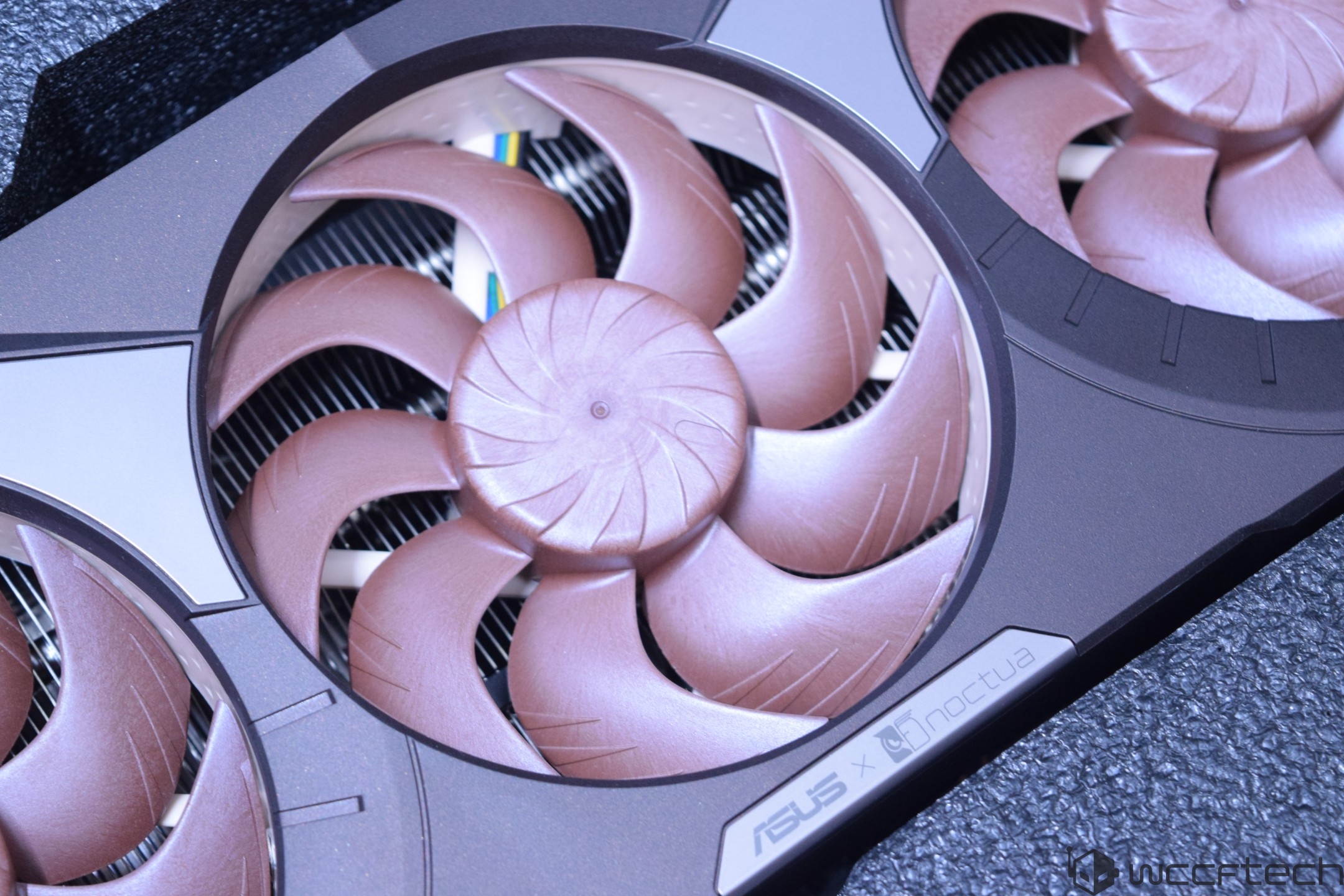
That’s where premium partner cards enter the picture, and one of the most attention-grabbing examples is the ASUS GeForce RTX 5080 Noctua Edition. It blends ASUS’s high-end design approach with Noctua’s reputation for elite cooling, aiming to deliver a graphics card experience that’s not only fast, but also cooler and quieter than typical high-performance builds. As expected for a specialty model, it carries a steep price premium. During testing, it’s been hovering around $1500, and some listings can push even higher.
If you’re tracking GPU tiers and pricing history, the RTX 5080’s placement is clear: it follows the tradition of cards like the RTX 4080 and RTX 3080 Ti in the “ultra enthusiast” class, historically anchored around the $999 to $1199 range at launch. The modern challenge is that market pricing doesn’t always respect those clean tiers—especially when premium coolers, factory overclocks, and limited-run editions are involved.
Beyond raw performance and pricing, the bigger story with RTX 50-series Blackwell graphics cards is NVIDIA’s amplified focus on AI. Blackwell doesn’t just aim to improve frame rates in the usual generational way—it extends the GPU’s capabilities with additional AI-oriented horsepower and management features, along with major updates to the core building blocks that power gaming and content creation.
Key Blackwell advancements highlighted for RTX 50-series gaming GPUs include a new Streaming Multiprocessor design, updated 5th generation Tensor Cores for AI workloads, and 4th generation RT cores for ray tracing. There’s also an AI Management Processor, plus Max-Q expanding beyond its laptop roots into desktops and broader power-optimization scenarios. On the memory side, Blackwell introduces a new GDDR7 high-performance memory subsystem, designed to push bandwidth and efficiency further for demanding games and high-resolution workloads. For connectivity and media tasks, Blackwell also brings an upgraded DP2.1b display engine and next-generation NVENC/NVDEC support—features that can matter a lot for high refresh rate gaming setups, multi-monitor users, and creators who stream or encode video.
All of these upgrades are part of what makes GPUs like the RTX 5080 appealing even when prices drift upward, especially for shoppers who want access to the newest platform capabilities rather than buying into an older generation, no matter how powerful it still is.
In this testing focus, the ASUS GeForce RTX 5080 Noctua Edition represents the “premium experience” version of the RTX 5080 concept: enthusiast Blackwell performance paired with a cooling solution built for people who care about acoustics, thermals, and overall refinement. The big question for buyers will be whether that premium retail price feels justified compared to more standard RTX 5080 models—and whether stepping down from the RTX 5090 tier makes sense based on budget, performance goals, and how much value you place on Blackwell’s newest AI and display/encode features.