As artificial intelligence reshapes every corner of the tech world and geopolitics redraws supply chain maps, Taiwan’s semiconductor ecosystem remains the beating heart of global chip production. From advanced logic to cutting-edge packaging, Taiwan’s foundries and suppliers continue to anchor performance, innovation, and scale for the world’s most demanding applications.
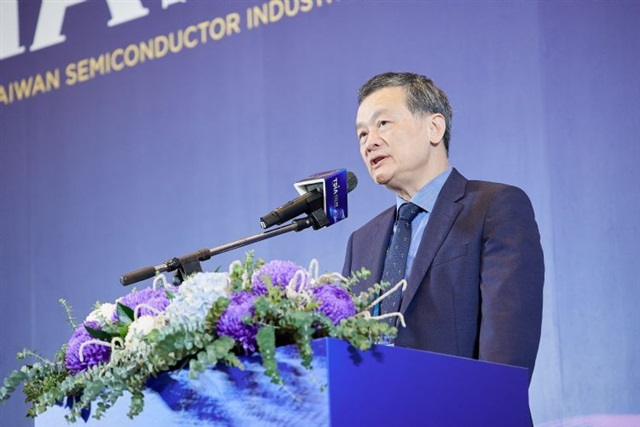
Industry leaders at the Taiwan Semiconductor Industry Association are signaling a practical path forward: strengthen Taiwan’s core while building more balanced, distributed manufacturing abroad. The goal is resilience without losing the innovation engine at home. That means protecting the crown jewels of process technology and packaging in Taiwan, while expanding strategic capacity in key overseas markets to serve customers closer to where products are designed and deployed.
A more even split between domestic and overseas production is emerging as a way to reduce concentration risk, answer regional policy expectations, and ease logistical bottlenecks. The approach supports a dual mandate: safeguard supply security for global partners and preserve Taiwan’s role as the center of gravity for leading-edge nodes, HBM, and advanced packaging vital to AI workloads.
The United States is a focal point in this strategy. Opportunities there are significant—access to major cloud providers, AI accelerator leaders, and a deep enterprise customer base—yet challenges are real. Higher construction and operating costs, stringent compliance, evolving export controls, and the need for skilled talent require long-term planning, tighter ecosystem collaboration, and thoughtful capital allocation.
To navigate this new landscape, the association’s priorities reflect what customers and partners need most:
– Build balanced capacity: keep the most advanced R&D and high-value processes in Taiwan while adding selective overseas fabs and packaging lines to diversify risk and shorten supply chains.
– Double down on AI readiness: scale leading-edge nodes, expand HBM and CoWoS-class capacity, and streamline cycle times to meet surging accelerator and data center demand.
– Fortify supply chain resilience: develop multi-sourcing for critical materials and equipment, invest in local supplier ecosystems abroad, and enhance inventory visibility end-to-end.
– Invest in talent and training: expand cross-border engineering programs, upskill local workforces at new sites, and maintain Taiwan’s deep bench of process and equipment specialists.
– Advance sustainability: secure reliable power and water in Taiwan, deploy energy-efficient fab designs globally, and meet increasingly rigorous ESG expectations from customers and regulators.
Taiwan’s chipmakers have turned geopolitical complexity into an opportunity to collaborate more extensively with partners in the United States, Japan, and Europe. That collaboration extends from early design engagement and EDA integration to pilot lines, volume ramps, and advanced packaging co-development—crucial for getting AI-era products to market faster and more reliably.
The bottom line is clear: AI demand is soaring, customers need predictable supply, and governments want robust domestic access to strategic technologies. By combining a strong home base with a more geographically balanced production footprint, Taiwan’s semiconductor industry is positioning itself to meet all three demands—preserving its leadership while making the global chip supply chain more secure, more scalable, and more sustainable for the years ahead.