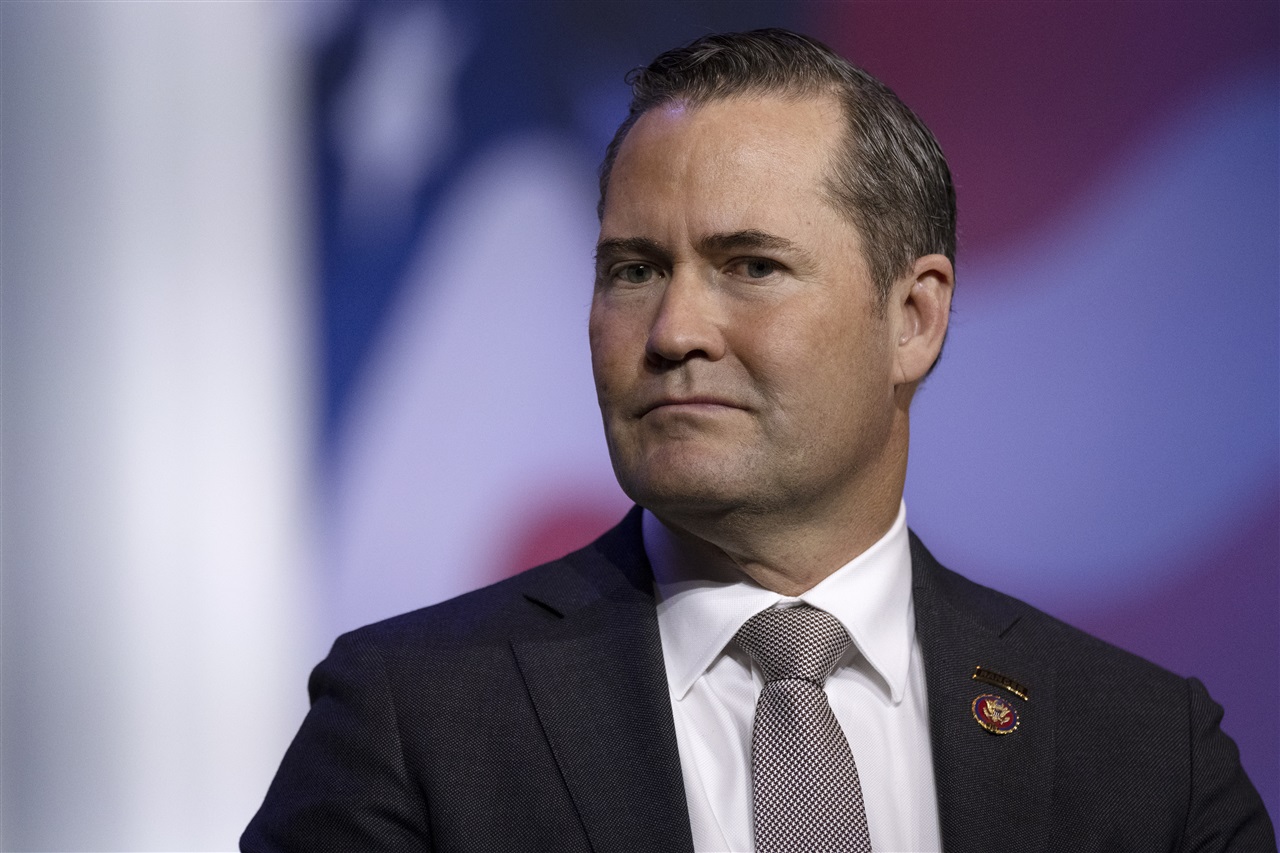
In a move anticipated to reshape the dynamics between the world’s two largest economies, President-elect Donald Trump is gearing up to appoint two outspoken critics of China to influential positions in his administration. This strategic decision indicates a potential intensification of existing tensions with Beijing, casting a shadow over future diplomatic engagements.
These political figures, known for their vocal stance against China’s practices, could herald a shift towards a more confrontational U.S. foreign policy in the region. Given China’s prominent role on the global stage, these appointments are likely to capture significant attention worldwide, sparking discussions on the implications for international trade, security, and diplomacy.
As these appointments become imminent, experts and analysts are closely watching to see how these choices will impact not only bilateral relations but also broader geopolitical alignments. With every step leading up to these appointments, the anticipation builds for how President-elect Trump’s administration will navigate these complex international waters.
The prospect of such high-stakes diplomatic maneuvers underscores the critical importance of understanding the evolving landscape of international politics—particularly when global superpowers stand at the forefront of the changing world order. As these developments unfold, the world braces itself for potential shifts in the balance of power and global diplomacy.