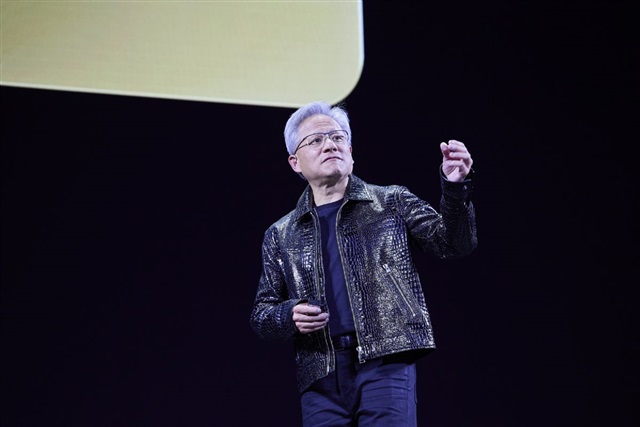
Jensen Huang’s Growing Influence in Washington: What It Could Mean for AI, Nvidia, and the Future of U.S. Tech
Jensen Huang has become one of the most important voices in the global technology industry, and his influence appears to be reaching far beyond Silicon Valley. As Nvidia continues to dominate the artificial intelligence chip market, Huang’s perspective on AI, semiconductors, and global competition is becoming increasingly relevant in political circles, including discussions around Donald Trump and the future direction of U.S. technology policy.
The reason is simple: Nvidia is no longer just a graphics card company. It has become a central player in the AI boom, powering data centers, cloud platforms, research labs, autonomous systems, and next-generation computing infrastructure. As artificial intelligence becomes a national priority, the companies building the hardware behind it are gaining more political importance.
If Huang has the attention of Trump or key figures close to him, it could have major implications for the tech industry. Nvidia’s CEO has consistently argued that artificial intelligence is a transformative force, one that will reshape economies, defense systems, scientific research, and global productivity. His message is that the United States must move quickly if it wants to maintain leadership in AI and advanced computing.
One of the biggest areas to watch is semiconductor policy. AI chips are now seen as strategic assets, not just commercial products. Governments around the world are racing to secure supply chains, expand chip manufacturing, and reduce reliance on foreign production. Nvidia depends heavily on advanced manufacturing partners, and any future U.S. administration will likely face pressure to support domestic chip development while balancing global trade relationships.
Export controls could also become a major focus. The U.S. has already placed restrictions on certain advanced chips being sold to China, aiming to limit access to technologies that could strengthen rival military or AI capabilities. Huang has warned in the past that overly strict restrictions could reduce the competitiveness of American companies by cutting them off from major international markets. If his views gain traction in Washington, future policy could attempt to strike a more business-friendly balance while still protecting national security interests.
Energy is another important part of the AI conversation. Modern AI data centers require enormous amounts of power, and the demand is only growing. Nvidia’s rise is directly connected to the expansion of these massive computing facilities. For the U.S. to stay ahead in artificial intelligence, it will need not only advanced chips but also reliable electricity, stronger infrastructure, and faster approval for new energy projects. Huang’s influence could help push AI infrastructure higher on the political agenda.
For Nvidia, closer ties with policymakers could be both an opportunity and a risk. On one hand, the company may benefit from policies that support AI investment, chip production, and data center expansion. On the other hand, becoming closely associated with political power can invite greater scrutiny. Nvidia is already under intense attention because of its market dominance, soaring valuation, and critical role in the AI supply chain.
For investors, the key takeaway is that Nvidia’s future will not be shaped by technology alone. Regulation, trade policy, energy strategy, and national security decisions could all affect the company’s growth. Any shift in U.S. policy toward AI chips, China, domestic manufacturing, or infrastructure spending could influence Nvidia’s business outlook.
For the broader tech industry, Huang’s growing presence in political discussions signals a larger trend. AI leaders are becoming policy influencers because artificial intelligence is now tied to economic growth and national power. The next wave of innovation will depend not only on faster processors and smarter software, but also on government decisions about funding, regulation, education, energy, and global competition.
The big question is whether political leaders will listen to the tech industry without allowing corporate interests to dominate public policy. Nvidia has valuable expertise, but the future of AI affects far more than one company. It touches jobs, privacy, security, education, healthcare, defense, and the global economy.
Jensen Huang’s voice matters because Nvidia sits at the center of the AI revolution. If he is helping shape conversations around Trump’s technology agenda, the impact could be significant. The decisions made in the coming years may determine whether the United States strengthens its lead in artificial intelligence or faces tougher competition from overseas rivals.
What is clear is that AI is no longer just a tech story. It is now a political, economic, and strategic issue. And as Nvidia continues to power the systems behind the AI boom, Jensen Huang’s role in shaping the future of U.S. technology policy may only grow stronger.