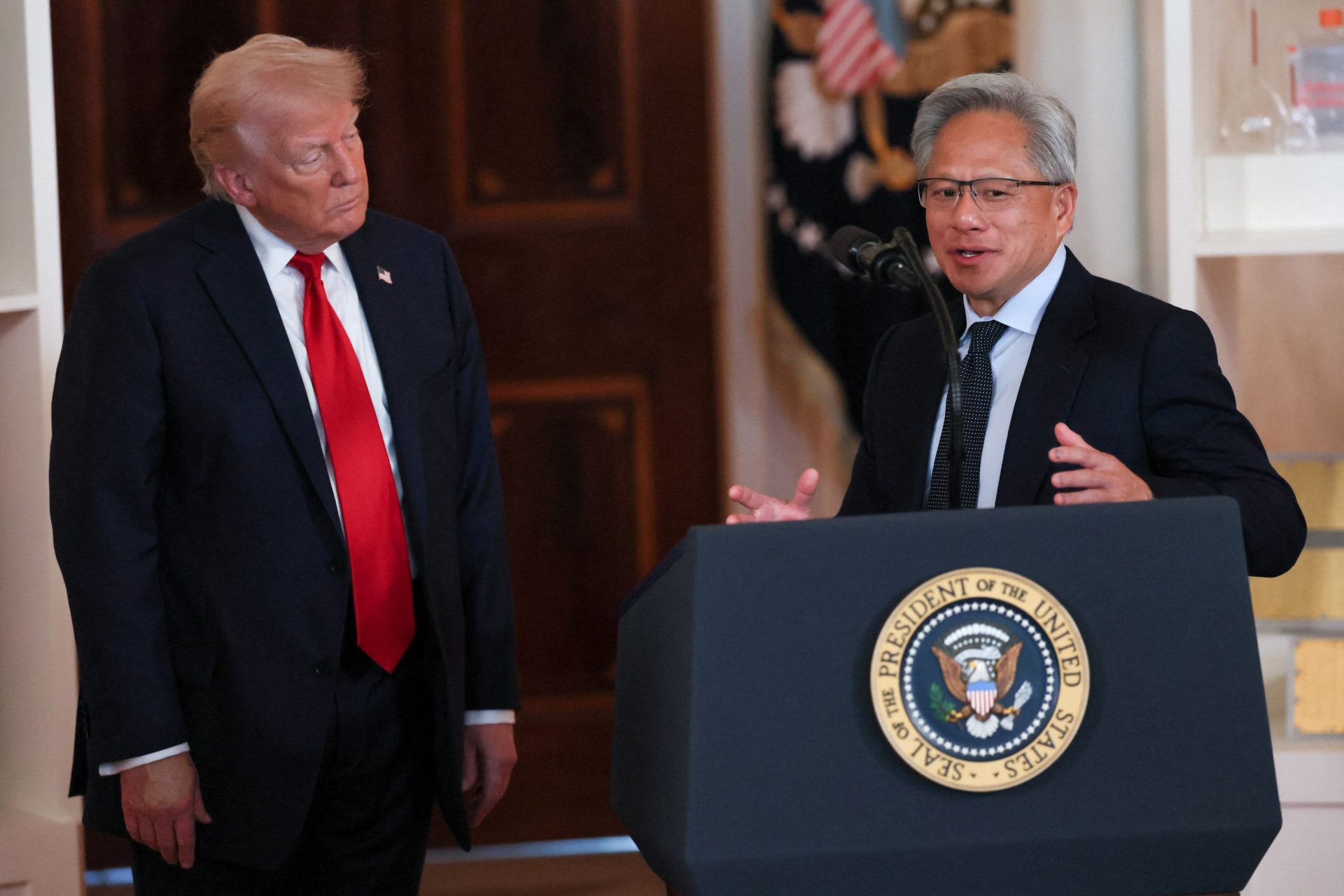
The US administration has unveiled a new science and technology advisory group designed to bring some of the biggest names in artificial intelligence directly into the policy conversation. The council, called the President’s Council of Advisors on Science and Technology (PCAST), is being positioned as a key source of guidance for President Trump as AI and other emerging technologies rapidly reshape the economy, national security priorities, and America’s global competitiveness.
PCAST is being co-chaired by David Sacks, described as the administration’s AI czar, alongside Michael Kratsios, the science advisor to the President. The council’s early lineup signals that the government wants input from across the modern tech landscape, with confirmed members including NVIDIA CEO Jensen Huang, AMD CEO Lisa Su, and Meta CEO Mark Zuckerberg. That mix represents major pillars of today’s AI boom: the chips powering AI data centers and the platforms building and deploying AI products at global scale.
According to the administration’s stated goals, PCAST will focus on both the opportunities and the risks emerging technologies create for the American workforce, with an emphasis on ensuring that the benefits of innovation are broadly shared. The White House also indicated the council can include as many as 24 members, with additional appointments expected soon, along with details about the first meeting.
The timing is notable. AI growth is accelerating, and that surge is driving massive demand for new data centers, electricity, and advanced semiconductors. Those pressures are colliding with political debates over regulation and infrastructure. On one front, policymakers are raising concerns about how quickly data centers are expanding and how much energy they consume. On another, export controls and international competition continue to dominate the chip conversation, especially with factions in Washington pushing to further limit US technology sales to rival nations—an approach that’s already a flashpoint in the broader AI race.
This new PCAST effort arrives not long after the administration rolled out an AI-focused action plan that touched on issues such as open-source models, sovereign infrastructure, and AI diplomacy. Even so, many of the highest-impact questions for the AI industry remain unresolved, including how AI should be governed in practice, how to manage the rapid buildout of compute infrastructure, and how to balance economic growth with national security goals.
PCAST appears intended to help the government navigate those tradeoffs with direct feedback from industry leaders who build the hardware and platforms behind today’s AI revolution. At the same time, the initial member list is drawing attention for who is not included—particularly high-profile AI figures like Sam Altman and Elon Musk, both widely seen as major public faces of AI. With more seats expected to be filled soon, it remains to be seen whether the council expands to include a wider range of AI labs, startups, academics, labor voices, and energy-sector stakeholders as the policy stakes continue to rise.