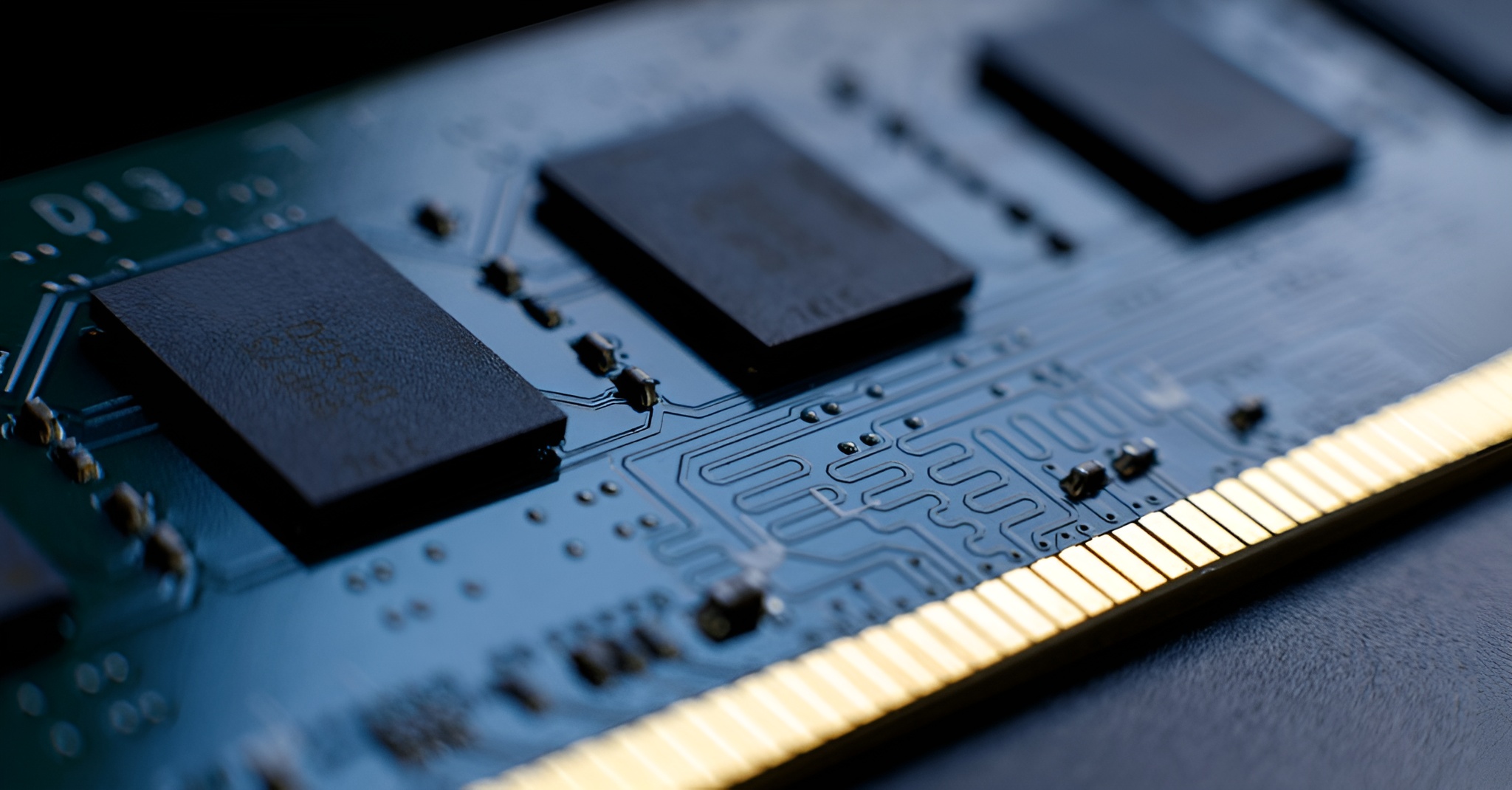
Chinese-made memory is inching closer to mainstream PCs, and some of the biggest names in computing are already testing the waters. With the global DRAM crunch getting worse and prices climbing fast, leading PC makers are looking beyond the usual suppliers for DDR5—and China’s CXMT is emerging as a serious option.
According to a recent report, major manufacturers including HP, Dell, Acer, and ASUS are currently in discussions tied to validating CXMT’s DDR5 memory modules. The goal is straightforward: get additional memory supply approved and ready for potential use in consumer laptops and desktops as soon as the end of the year.
The timing makes sense. Memory shortages have tightened across the industry, limiting what PC brands can secure through traditional channels. At the same time, DRAM contract prices have reportedly been jumping by triple-digit percentages quarter over quarter. That kind of surge makes it difficult for PC builders to rely on spot buying without pushing higher costs directly onto everyday buyers. For manufacturers trying to keep systems competitively priced while still shipping in volume, finding new supply options is becoming less of a choice and more of a necessity.
One major hurdle for any new memory supplier is qualification. Even if a company can manufacture DDR5, OEMs typically require strict verification and validation before allowing components into mass-market product lines. That process can slow adoption. Still, the fact that multiple top-tier PC brands may be taking CXMT through validation suggests the industry is increasingly willing to broaden the list of acceptable DDR5 suppliers—especially while established memory giants are heavily focused on meeting soaring demand from AI, hyperscalers, and enterprise customers.
CXMT has been building visibility in the DRAM market during periods of constrained global supply, and this moment could significantly strengthen its role, particularly within China’s domestic tech ecosystem. The company is also reportedly moving toward an IPO, which adds another layer of urgency and incentive. Large OEM commitments or even meaningful progress in qualification could improve CXMT’s standing as a key DRAM source and accelerate negotiations with global PC brands.
For now, there’s no confirmed timeline for when CXMT DDR5 modules might appear in everyday consumer PCs. A major open question is pricing: will CXMT pursue longer-term supply agreements where module pricing undercuts Korean suppliers, or will market conditions keep prices elevated across the board? The answer may come down to what buyers prioritize most—lower pricing or guaranteed capacity—and how much leverage OEMs can gain by adding an additional supplier into their sourcing mix.
Either way, the direction is clear: as memory scarcity continues and DDR5 demand rises, the PC industry is actively exploring Chinese DRAM as a practical path to keep products shipping and prices under control.


