Scan a QR code to get toilet paper? China’s latest public restroom experiment is turning heads and raising eyebrows. Videos circulating on social media show toilet paper dispensers that require users to scan a QR code and watch an ad on their phones before dispensing a small amount of paper.
If you want more than the allotted amount—or prefer to skip the ad—you’re prompted to pay 0.5 yuan, a small fee that effectively puts a paywall on an everyday necessity. Officials justify the setup as a way to prevent waste and curb overuse, framing it as a practical resource-management measure rather than a cash grab.
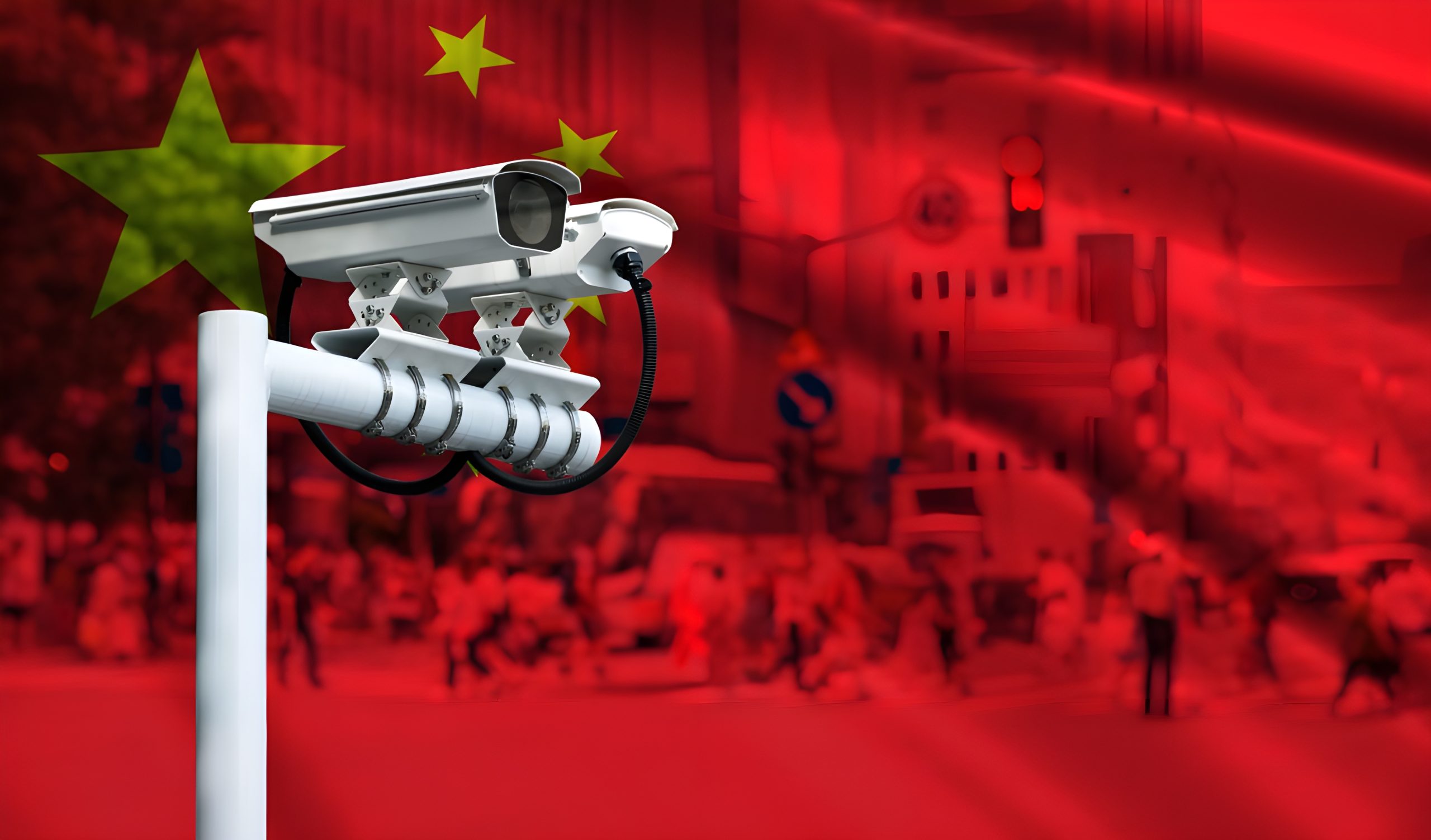
Online reactions have been swift and skeptical, with many drawing parallels to an increasingly controlled, surveillance-heavy environment. The idea that basic amenities could be gated behind advertising or micro-payments feels, to some, like a page out of a dystopian playbook, especially when combined with broader concerns about social credit systems and digital monitoring.
This isn’t the first time China’s public toilets have pushed the boundaries of technology and privacy. In 2017, Beijing’s Temple of Heaven park installed facial recognition dispensers that rationed toilet paper, citing rampant waste and theft. The move sparked global debate over data collection and the creep of surveillance technologies into routine parts of daily life.
Whether you see these new QR code dispensers as sensible conservation or a troubling monetization of public services, they reflect a wider trend: the fusion of ads, microtransactions, and identity checks into spaces that used to be anonymous and free. It’s a clash between efficiency and dignity, and it’s playing out in one of the most mundane places imaginable—public restrooms.