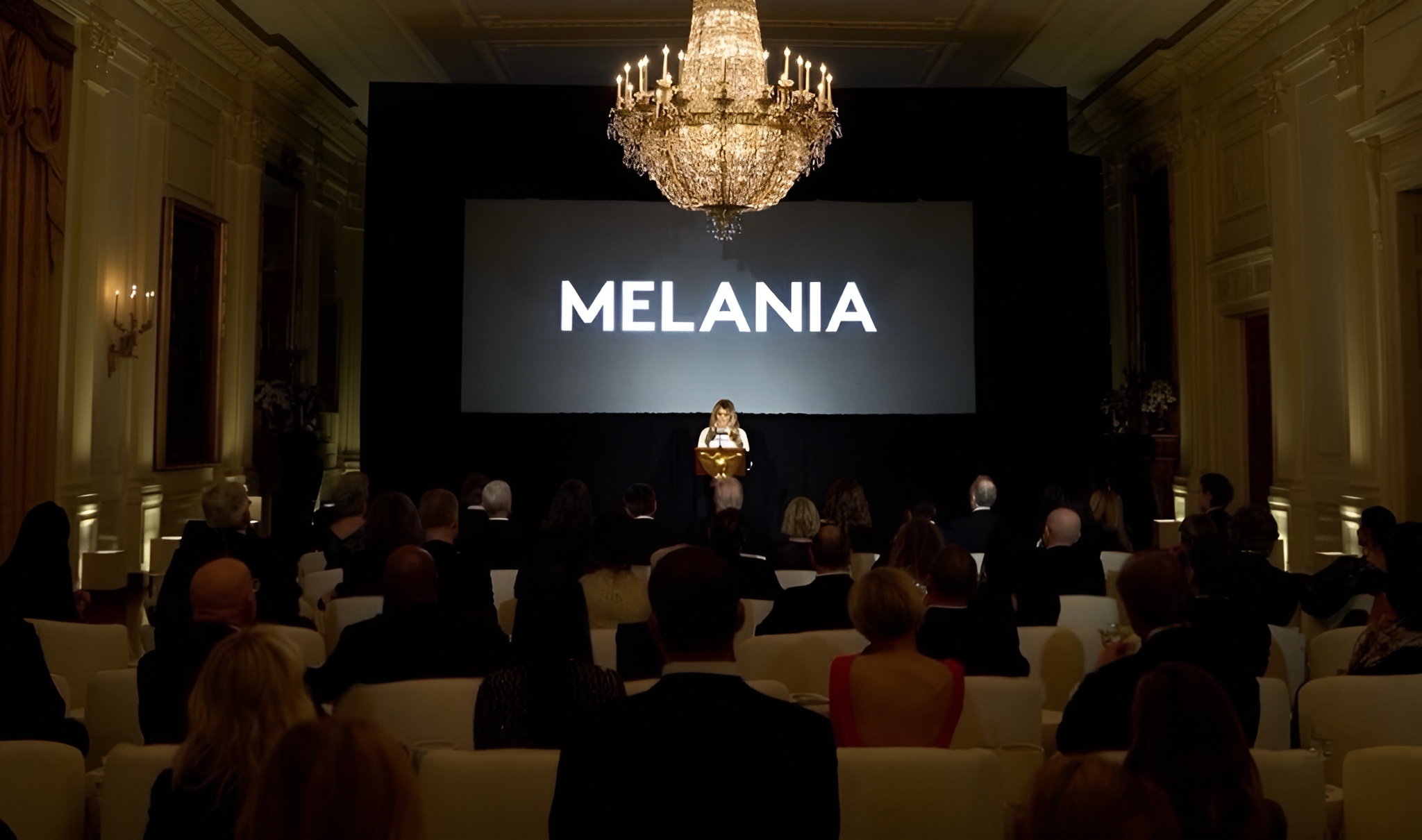
Apple CEO Tim Cook has reportedly shown up for a VIP screening of “Melania,” the Amazon-backed movie centered on former First Lady Melania Trump, just ahead of its official premiere at the Kennedy Center. The appearance is drawing attention not simply because it’s an unusual public move for Cook, but because of what it signals about Apple’s increasingly complicated political and regulatory landscape.
At a time when Apple is facing intensifying pressure in Europe that’s already weighing on its high-margin services business, maintaining a stable relationship with the White House matters more than ever. And with President Trump known for an unpredictable style and a preference for public shows of loyalty, Cook’s attendance at a high-profile event tied to the Trump family looks like a calculated effort to stay in the administration’s good graces.
The timing is notable. Apple’s services segment—often viewed as one of the company’s most reliable growth engines—is meeting fresh headwinds, with App Store growth in particular appearing to slow. Jefferies, citing Sensor Tower data, recently pointed to App Store revenue rising just 7% in the December-ending quarter, marking the slowest growth pace across the last seven quarters. For investors, anything that suggests a cooling trajectory in services can quickly become a market-moving narrative, especially when compounded by regulatory uncertainty.
Much of that uncertainty is being driven by the European Union’s Digital Markets Act (DMA), which came into effect in 2024. Under the DMA framework, Apple was pushed to open up iOS to third-party app stores—an important shift for a company that has historically kept tight control over distribution and payments inside its ecosystem. In response, Apple allowed alternative app marketplaces on iOS in the EU, while attaching conditions such as a fee of 0.5 euros per app install once an app surpasses 1 million cumulative installs.
Even with those changes, European regulators weren’t satisfied. A key sticking point has been Apple’s anti-steering rules, which limited developers’ ability to tell users about cheaper purchase options outside of the App Store. European authorities viewed those restrictions as anti-competitive, and in April 2025 the European Commission imposed a 500 million euro fine on Apple.
Apple then adjusted its revenue-sharing approach for developers in June 2025, aiming to address regulators’ demands. But according to Apple’s position, the Commission has not allowed the company to implement the very changes regulators asked for. Apple argues that EU authorities are using political delay tactics and unfairly targeting an American company through extensive investigations and steep penalties.
Against that backdrop, Cook’s instinct to avoid creating new political friction at home becomes easier to understand. Apple has major exposure to international trade policy, regulation, and enforcement actions that can materially affect both its costs and its ability to monetize services. The company has also shown that a cooperative posture in Washington can pay off, as the broader strategy of staying aligned with the administration reportedly helped Apple secure meaningful tariff-related relief just months ago.
Put simply, while the VIP screening may look like a cultural stop on the surface, it also reads as a strategic gesture. With the EU turning up the heat on Apple’s business model and services growth showing signs of slowing, Tim Cook appears to be reinforcing a familiar playbook: keep Washington close, avoid rocking the boat, and protect Apple’s interests while the regulatory storm builds overseas.