Back in 2020, Apple shook the tech world by unveiling its M1 chip, marking its bold move to custom silicon for Macs. This strategic shift was a part of the broader transition away from Intel processors. But what prompted Apple to place its trust in TSMC over Intel for this pivotal transformation? The answer lies in a longstanding and deliberate choice.
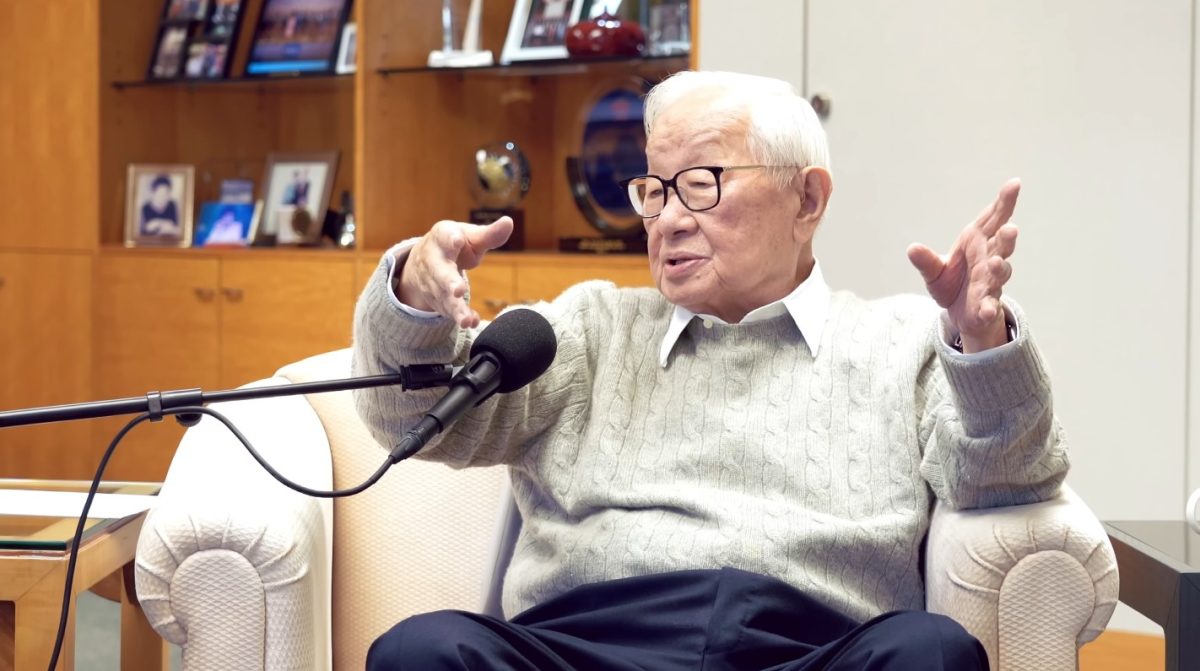
The seeds for this transition were sown as early as 2011, when Apple CEO Tim Cook decided to entrust TSMC with producing chips for the iPhone, veering away from Intel. Recently, Morris Chang, the mastermind behind TSMC, shed light on why Apple favored them as their custom chip supplier. During an interview with Acquired, Chang revealed that when Intel initially engaged with Apple regarding iPhone chips, a significant pause ensued in discussions with TSMC. Given Intel’s existing role as the chip provider for Apple’s Mac lineup, it seemed logical for Apple to continue down the same path. Nonetheless, after just two months of deliberation, Apple made the monumental decision to pivot towards TSMC.
Tim Cook articulated the reasoning with surprising clarity: “Intel just does not know how to be a foundry.” This decision seemed inevitable to Chang, who noted TSMC’s edge in manufacturing prowess and the trust they cultivated with customers over the years. “I knew a lot of Intel’s customers in Taiwan, and none of them liked Intel. Intel always acted like they were the only guy for microprocessors,” Chang reminisced.
Today, TSMC is the powerhouse behind Apple’s A-series chips for iPhones and iPads, and the coveted M-series chips for Macs. The fruit of this partnership is clear—TSMC has continuously pushed the envelope in chip manufacturing, emphasizing performance boosts and energy efficiency. They successfully adapted to Apple’s ever-evolving demands, which sometimes bordered on the “irrational.” Yet, it is TSMC’s approach to addressing even the wildest requests that set them apart. As Chang eloquently put it, “When the customer asks a lot of things, we have learned to respond to every request.”
This synergy not only cemented TSMC as Apple’s exclusive chip supplier but also became a catalyst for Intel’s evolution. Though initially a challenging period for Intel, it prompted them to launch Intel Foundry Services with a refreshed manufacturing strategy. Now, they too are carving out success and have secured significant clients like Amazon’s AWS for AI chips.
More insights from Chang’s interview promise to be illuminating; it’s a relationship that has not only reshaped Apple’s approach to technology but also fostered a transformative journey for TSMC and Intel alike. Stay tuned for further details and breakthroughs that continue to emerge from this tech revolution.


