Privacy worries usually focus on apps and cloud services, but some of the most powerful data-collection and remote-control capabilities can live far deeper than software ever will: inside the hardware itself. As mainstream tech companies chase “productivity” features and always-connected experiences, many users are left wondering what else is running on their computers, what it can access, and who ultimately benefits.
A long-running flashpoint in that conversation is Intel Management Engine, commonly known as Intel ME. Introduced in 2008 and still present in many Intel-based systems, ME is essentially a small, closed-source operating system that operates alongside the main OS. Intel has said it’s designed this way for security and manageability, enabling functions like remote support and enterprise administration. The uncomfortable part is the level of access: Intel ME can interact with critical components such as the CPU, memory, and networking hardware. That kind of deep integration has made it one of the most debated pieces of modern PC architecture in privacy and security circles.
Critics argue that “closed source” combined with extensive system privileges creates the perfect conditions for abuse, whether through vulnerabilities or intentional access. Over the years, Intel ME has been cited as a potential pathway for privilege escalation and other exploits, fueling skepticism about the “security through abstraction” approach. Adding more suspicion to the debate, reports have circulated that some high-security environments have taken steps to eliminate or neutralize ME on their systems—an action that, at minimum, signals a lack of confidence in leaving it untouched.
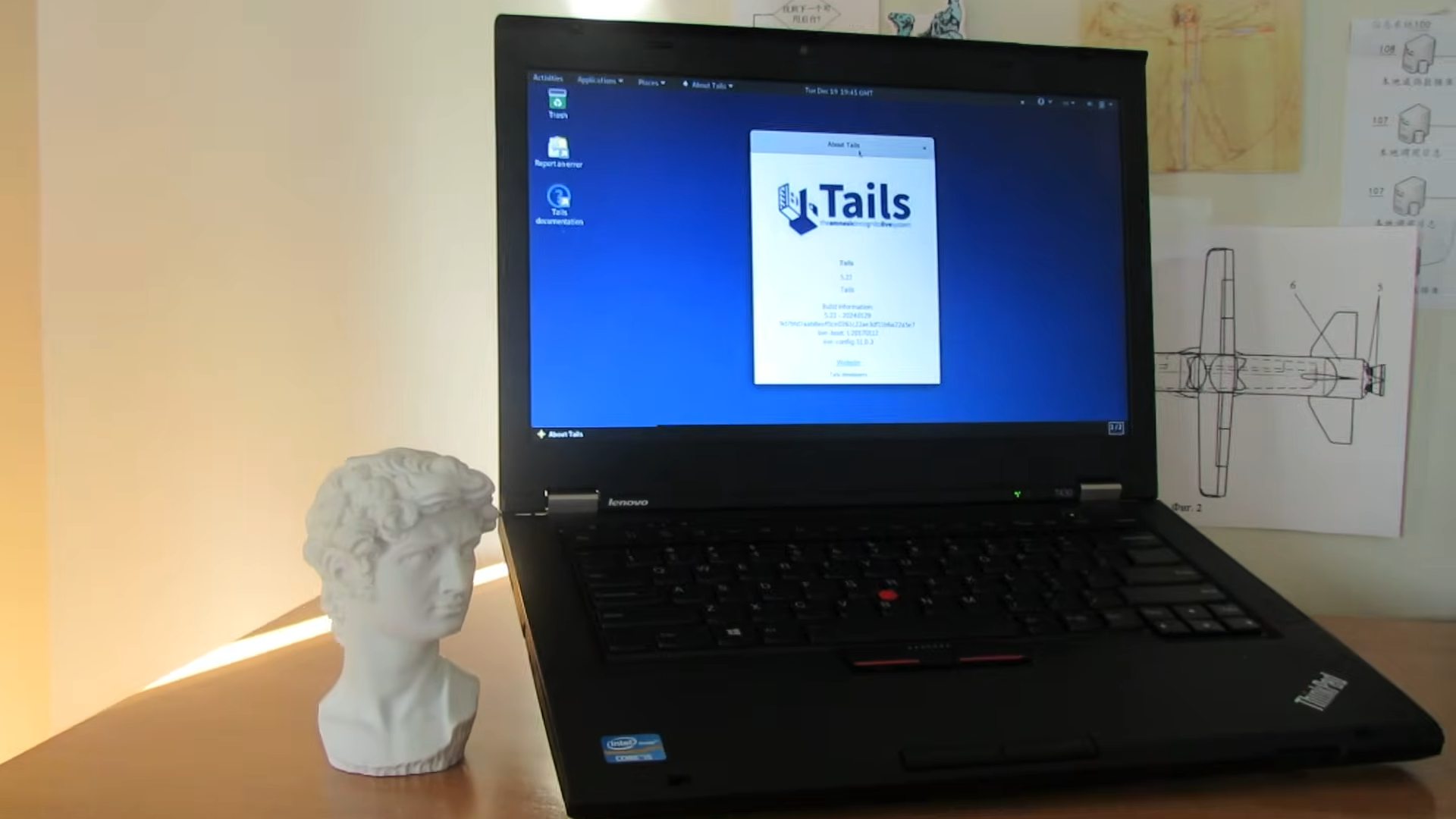
That’s where a challenging but fascinating mod comes in. A YouTuber and hardware modder named Livny set out to prevent Intel ME from persisting on his own system, choosing a laptop known for repairability and enthusiast support: the Lenovo ThinkPad T430. The T430 is often highlighted in security-minded communities because it sits in a sweet spot: old enough to be mod-friendly, but still useful enough to remain a practical daily machine.
Disabling Intel ME to this degree isn’t a simple settings toggle. It requires careful research to confirm the device is compatible with available open-source firmware options, plus specialized tools and a willingness to take the laptop completely apart. In this build, the process involved exposing the BIOS chip and using external hardware—specifically a Raspberry Pi and an SOIC clip—to flash a pre-built coreboot image onto the machine. After that, Livny used a tool called me_cleaner to disable ME beyond basic boot verification.
For most people, that’s an enormous amount of work for a result that’s hard to “see” day to day. But that’s also the point. The effort required to reduce reliance on proprietary, opaque subsystems highlights just how much trust users are expected to place in hardware vendors. Many of us assume our computers act in our best interest, yet without real transparency, it can be difficult to know whether a system is truly secure—or simply convenient for remote management and surveillance.
The ThinkPad T430 project is ultimately about more than one laptop. It underscores a broader reality of modern computing: privacy and security aren’t just determined by which apps you install or what permissions you deny. They can be shaped by hidden layers of firmware and embedded systems that most users never agreed to, can’t inspect, and may not be able to fully disable.