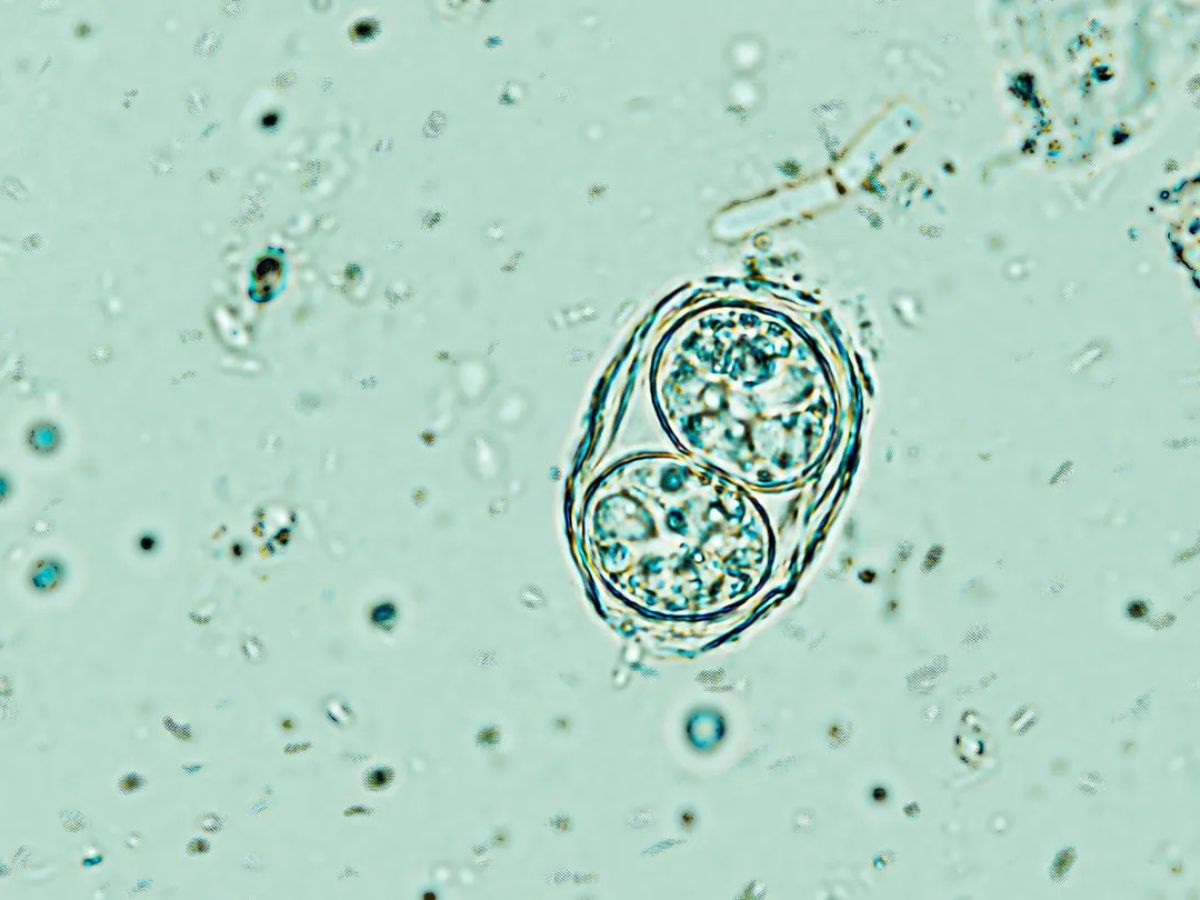
Billions of parasites lurk in our environment, posing hidden dangers. Among them, Toxoplasma gondii affects over two billion people globally, altering behavior without many even knowing it. This parasite, according to the World Health Organization, impacts nearly a third of the world’s population. Traditionally deemed harmless, recent studies suggest it may have profound effects.
Toxoplasma gondii is a single-celled protozoan primarily residing in cats. It spreads via close contact, using rodents like mice as intermediate hosts. When infected, these rodents exhibit a striking lack of fear towards cats and, oddly enough, find the scent of cat urine appealing—a behavior alteration that benefits the parasite’s lifecycle.
Humans can also become hosts through contact with contaminated cat feces, consuming undercooked meat, or contaminated food. Rarely, it spreads via blood transfusions or organ transplants. Initial studies in the early 2000s by Czech researcher Jaroslav Flegr uncovered intriguing behavioral shifts in humans. Men showed tendencies towards irritability and risk-taking, while women adhered more closely to social norms.
Further research, such as a 2012 study in Schizophrenia Bulletin, explored links between this parasite and mental health issues. In 2016, Acta Psychiatrica Scandinavica presented correlations between Toxoplasma gondii and neuropsychiatric disorders. While correlation doesn’t prove causation, the potential impact on behavior and mood is noteworthy.
How does this tiny organism affect the brain? Toxoplasma gondii can breach the blood-brain barrier, leading to cyst formations in areas associated with fear, decision-making, and emotions. A study in PLOS ONE highlighted that this parasite possesses genes that can produce an enzyme similar to dopamine—often called the happiness hormone.
Though many infected individuals remain asymptomatic, the parasite poses significant risks to pregnant women and those with weakened immune systems. These revelations highlight the intricate interplay between microorganisms and human behavior, urging further exploration into its broader impacts.


