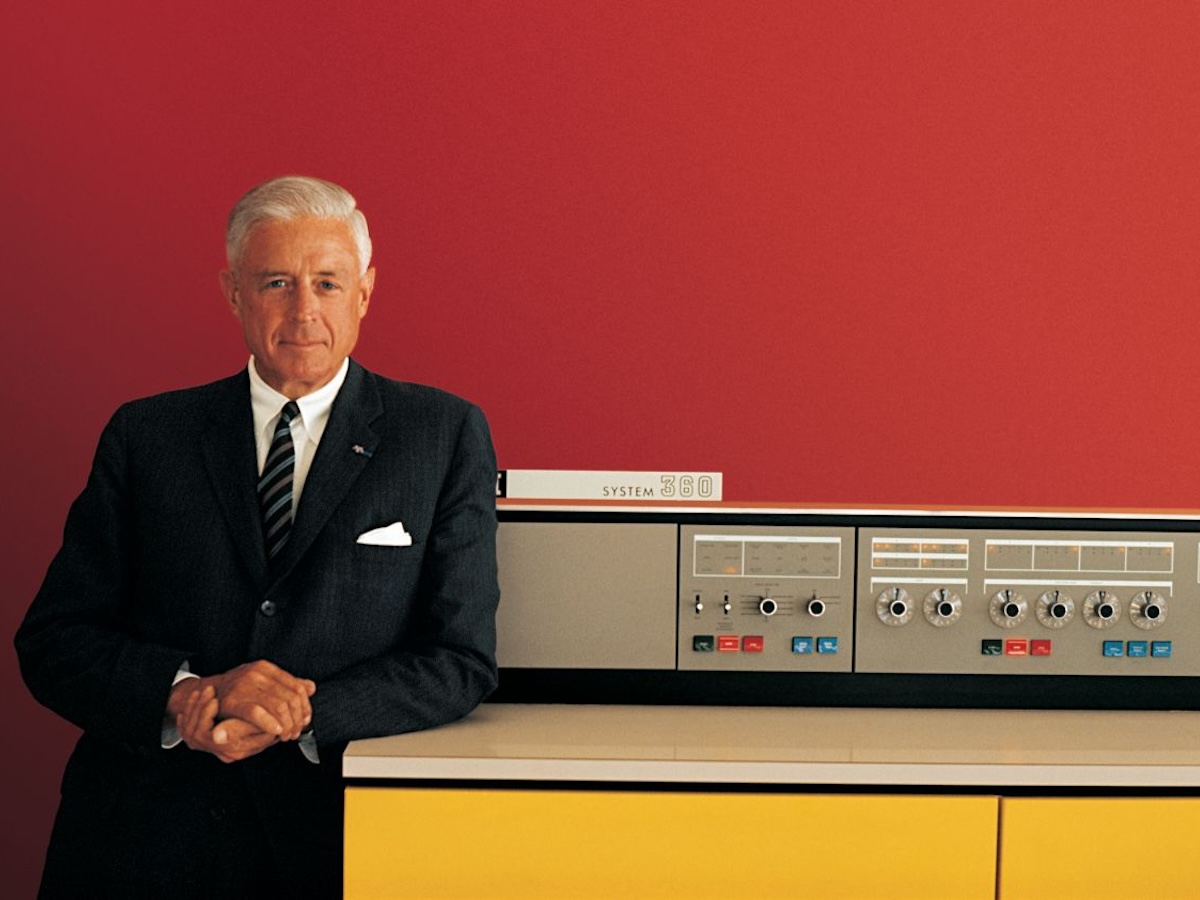
In the landscape of computing history, few machines have made such a significant impact as the IBM System/360. Introduced by Thomas Watson Jr., then-president of IBM, in April 1964, the System/360 redefined the concept of a computer architecture and launched a revolution in data processing.
IBM’s System/360 signaled the beginning of a new era, decades before the inception of modern personal computers, laptops, and server technology. With an initial investment that could have spelled disaster or triumph for the company, IBM embarked on the creation of a versatile computing system that could cater to a wide variety of applications. This risk, internally termed the “5 billion dollar gamble,” saw IBM transition from creating single-application machines to a standardized, software-compatible system that could be expanded and upgraded effortlessly.
The System/360, now 60 years old, boasted what today would be considered modest specs: a minimum of 8 KByte of RAM and the ability to scale up to a sizeable 524 KByte. It’s intriguing to think that the Atari 2600, which came out more than a decade later, operated with a mere 128 bytes of RAM—a stark contrast to IBM’s offering.
IBM introduced a paradigm shift with the System/360, unifying five previously incompatible systems under one standardized software-compatible architecture. This forward-thinking approach laid the groundwork for the 8-bit byte standardization and contributed to a long-lasting industry norm.
With its suite of five processors and a library of 54 peripheral devices, the System/360 was capable of accessing up to 8 MByte of storage. Although modest by today’s standards, where even a single digital image might exceed this capacity, at the time, this was a cutting-edge innovation.
This bold move by IBM quickly proved to be a success, with an impressive 1,000 units ordered within the first month of its release. Businesses reaped the benefits of being able to purchase a scalable system that all but eliminated the need for software reprogramming. The System/360’s successor, the System/370, debuted in 1970 with enhancements and backward compatibility, cementing IBM’s dominant market position.
In conjunction with the System/360, an entire industry ecosystem emerged, with many companies developing accessories and complementary products for the system. IBM would later replicate this ecosystem with the launch of the IBM PC in 1981, which became a staple in homes and offices worldwide, further shaping the computing world as we know it.
Over time, traditional computer designs have evolved and faced competition from the burgeoning mobile market, with smartphones and tablets challenging the status quo. While IBM may no longer be a household name in personal computing, having sold its consumer PC division to Lenovo, the company’s contribution to the industry remains foundational.
The legacy of the System/360 lives on not only in technology history but also in the DNA of modern computing, still influencing design and innovation. As we celebrate the 60th anniversary of this iconic machine, we reflect on the advancements it brought to the business world and the transformative effect it had on computing as a whole.


