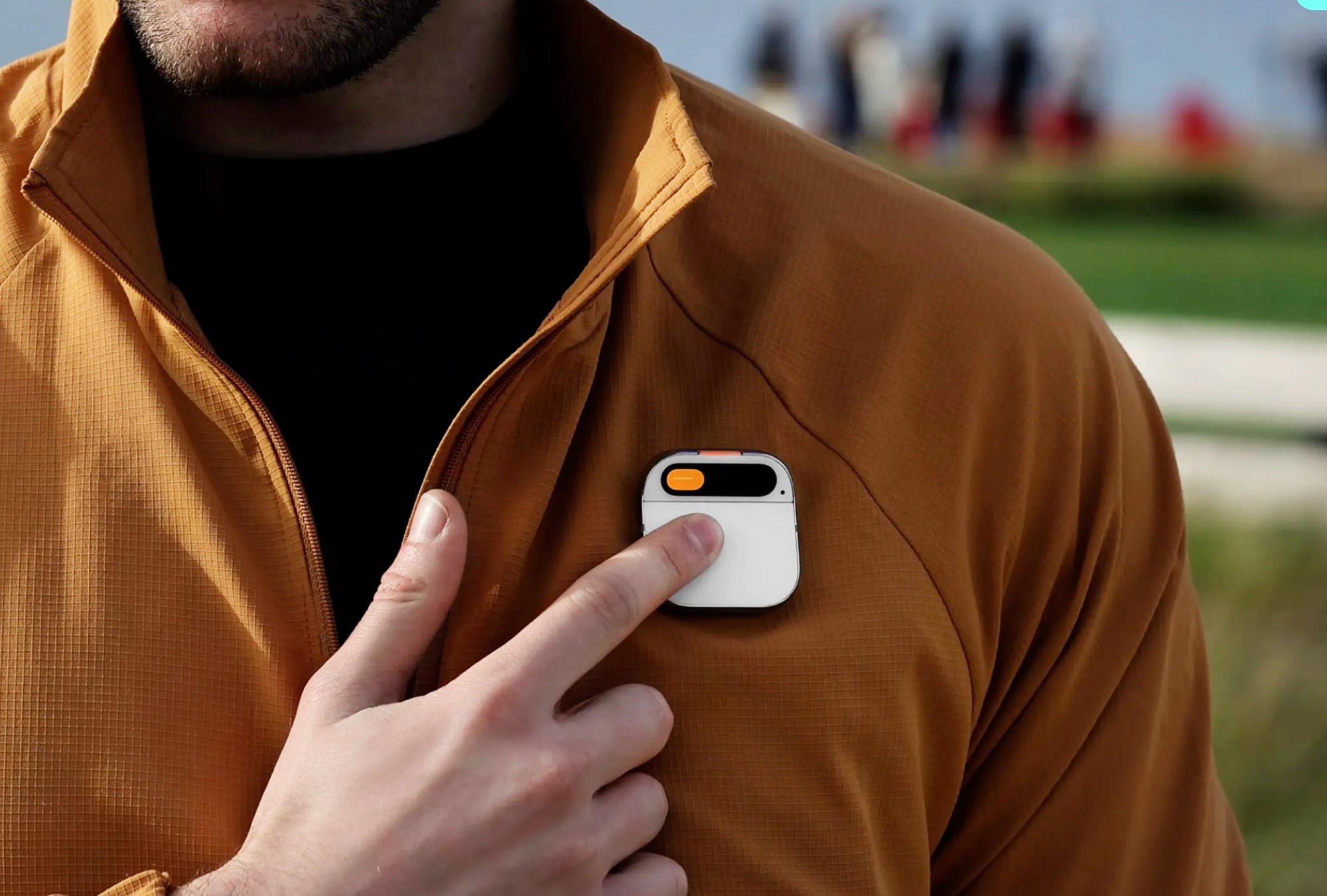
The introduction of the Humane Ai Pin into the market has been met with significant challenges, positioning the product as a potential commercial failure of 2024. With aspirations to sell 100,000 units, the gadget has not only fallen short of its sales goal but has also encountered a staggering number of returns.
Post-launch, reviews quickly surfaced, revealing significant shortcomings with the Ai Pin. The gadget was criticized for not delivering on its advertised features, having inadequate battery life, and lacking significant value beyond what a smartphone provides. These criticisms led to a worrying trend in sales performance.
Internal sales data, which has been reviewed, indicated a concerning landscape for the Ai Pin. In the period from May to August, returns of the device outpaced sales. The company managed to sell roughly 10,000 units shortly after launch, but current estimates suggest that only about 7,000 units remain with consumers. This implies that over a third of the purchasers have requested refunds.
Despite these setbacks, the company behind the Humane Ai Pin remains optimistic, looking to leverage AI hype to attract a buyer for the company, seeking a valuation exceeding $1 billion. However, with the current rate of returns, the goal seems increasingly out of reach. Gross sales are expected to be around $8 million, a far cry from their initial targets.
The situation is further complicated by the inability to refurbish and resell returned pins due to partner network restrictions, specifically from T-Mobile. Consequently, each returned Ai Pin currently represents a loss, ultimately contributing to electronic waste. There is hope yet, as the company has not disposed of the returned units and is seeking to resolve these issues with T-Mobile.
Without a significant strategic turnaround, the Humane Ai Pin’s place in the market appears tenuous. Sales and return trends suggest a difficult path ahead for the product that was once promising. With such developments, only time will tell if the Ai Pin can overcome its troubled start to become a viable player in the competitive AI gadget sector.