As video games continue to evolve, one aspect that has captured the fascination of many players is the emergence of AI-driven NPCs (non-player characters) that you can converse with. These technologically advanced characters promise a more personalized gaming experience by offering dynamic interactions. However, there comes a substantial financial implication with such innovations. In this article, I will explore this pressing economic dilemma and its possible ramifications for gamers and developers alike.
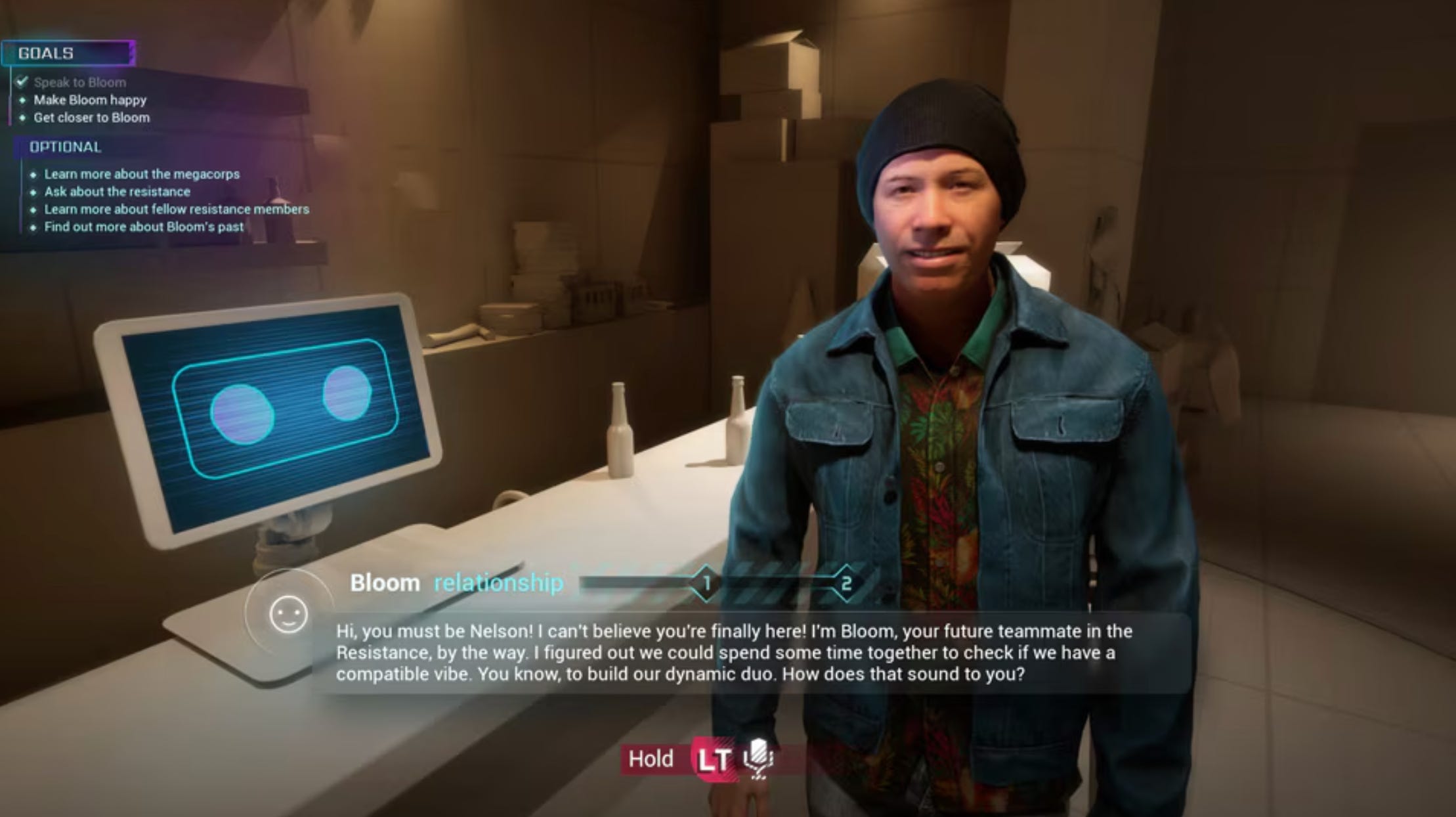
The excitement surrounding the growing presence of these conversational AI characters in gaming cannot be overstated. They are devised to engage players in lifelike dialogues, opening up a new layer of immersion within the gaming world. One particular example to highlight is a tech demo featuring Bloom, a virtual resistance fighter in a Ubisoft game. A creation that signifies how generatively intelligent NPCs can enhance narrative depth and player engagement.
A key financial concern, though, surrounds the ongoing costs associated with interactions with AI NPCs. Each chat exchange might accrue expenses, and these costs need to be managed somehow. Potential solutions to tackle this include the implementation of a paid subscription model or placing a cap on the number of interactions a player can have with an AI character.
Although these are not definitive strategies and the discussion around monetization continues, it’s clear that the economics of integrating AI into video games presents a significant hurdle. For the investment in these conversational AIs to be viable, the added value must be significant — simply put, it has to be an experience that is really worth the cost.
To provide an insight into what these interactions might feel like, consider the case of Bloom. During a tech demo, with no current player cost attached, I had the opportunity to have a back-and-forth with this AI character, which, impressively, had no scripted responses but was able to draw upon a rich, pre-written character backstory to offer spontaneous replies.
Typically, in a single-player game, conversations with NPCs revolve around selecting from a list of dialogue options — more procedural than interactive. However, interacting with an AI like Bloom offers a different dynamic, encouraging the player to role-play and improvise in real time. The experience is akin to shedding a layer of set storyline limitations to engage in an unscripted and evolving narrative.
While the tech is inherently fascinating, developers and industry stakeholders must weigh the cost of such interactions against player retention and satisfaction. The economics of bringing AI NPCs into video gaming necessitates finding a balance between nurturing innovation and maintaining economic sustainability for developers and affordability for players.
It’s a delicate balance, but one thing is certain: the future of AI NPCs holds the promise of transforming the gaming landscape by offering uniquely engaging experiences. Their integration into gaming could redefine player interactions, narrative exploration, and character development, provided the financial model aligns with both player desires and industry needs.
In the interim, players and developers should watch the development of these AI systems with both enthusiasm and a measure of caution, as the conversation around their place in the gaming economy continues to unfold. The outcome of this dialogue will undoubtedly shape the trajectory of AI-driven storytelling within the gaming industry for years to come.