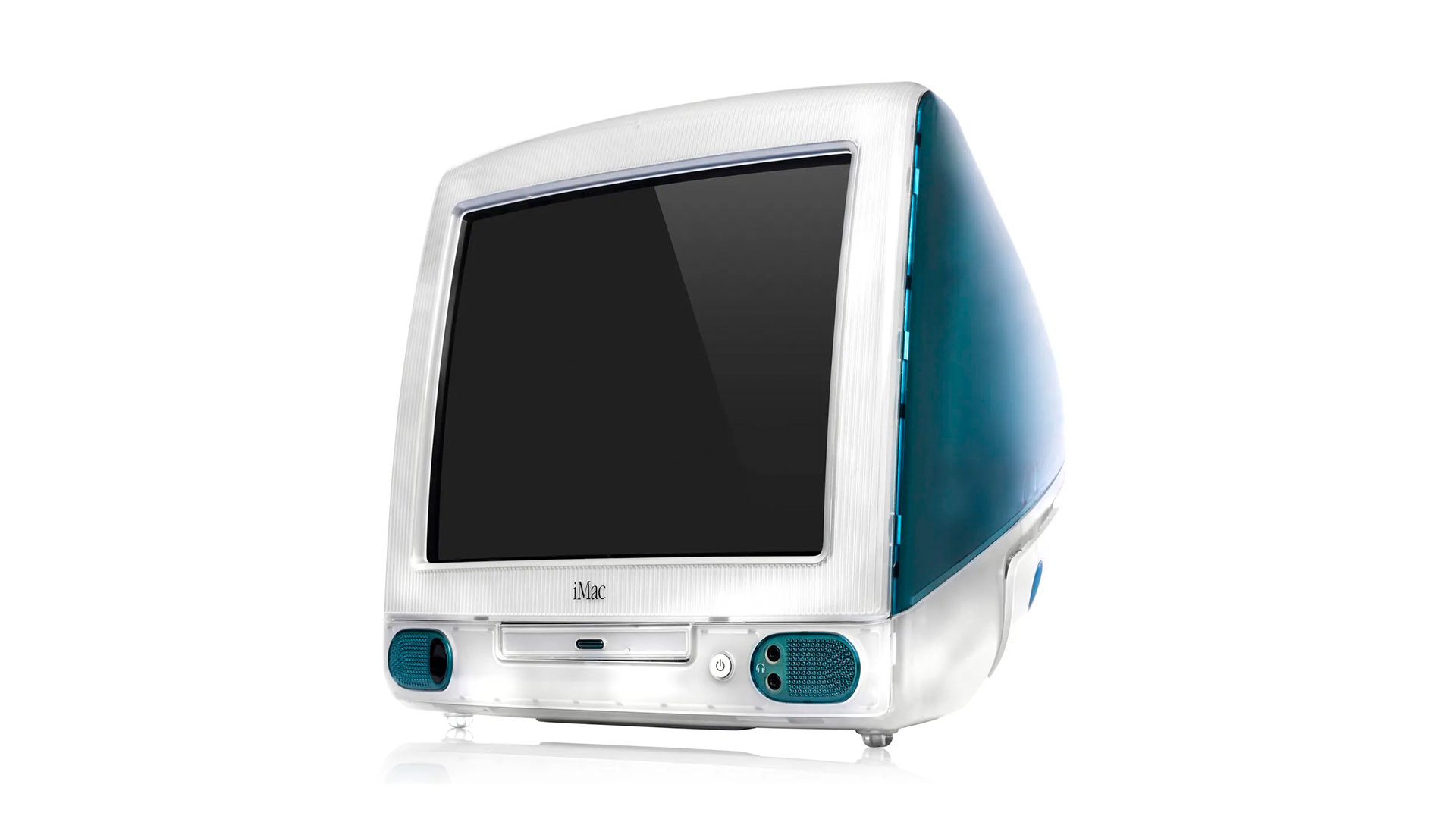
On this day over a quarter century ago, Apple set a new benchmark in the world of computing with the unveiling of its first iMac—an event that marked the beginning of a new era for the tech giant. The original iMac, introduced by Steve Jobs, distinguished itself from competitors with its striking translucent housing and unique egg-shaped design. As we reflect on the impact of the iMac, it is crucial to understand how Apple’s innovation in design and technology has helped the iMac endure as a flagship product, evolving with the times to incorporate the latest M3 chipsets in recent models.
The iMac G3’s initial reception was a mix of both skepticism and admiration, with its unconventional appearance drawing varied responses. Despite some critical reviews, the distinct aesthetic, along with strategic pricing, contributed to the machine’s popularity. The iMac G3 boasted a translucent case with a teardrop profile—a bold departure from the typical beige boxes of the time. Beyond its design, Apple’s intention was clear: make a memorable and approachable computer that could spearhead a comeback for the then-struggling company.
The creative force behind the G3’s design was Jony Ive and his team, who prioritized industrial design as a fundamental element of Apple’s resurgence strategy upon Steve Jobs’ return as CEO. Ive’s approach went beyond shapes and materials; it also introduced a spectrum of vibrant colors that resonated with consumers, eliciting positive reactions and a strong emotional connection to the product. This concept of colorful, sleek design would later resurface with the M1 iMac, affirming Apple’s commitment to design that fuses aesthetics with performance.
Boasted by a $100 million advertising budget, the iMac G3 featured a PowerPC G3 processor, ATI Rage graphics, 4GB of hard drive space, a CD-ROM drive, among other components. It did, however, face criticism for its lack of traditional ports and expandability options, which many found limiting. But the critique did little to hinder its success—Apple transformed a substantial loss from the year prior to notable profits in the wake of the iMac’s launch.
The triumph of the iMac G3 created a foundation that allowed Apple to refine its Mac lineup and develop its operating systems. The successive iterations of the iMac continued to build on this success, leading to the transition from PowerPC to Intel processors. It wasn’t long before Apple expanded its horizons to portable Macs, accommodating the growing demand for mobility among users.
Today, with a clear focus on innovation and integration, Apple designs and manufactures its own chipsets, enhancing the performance and capabilities of its wide range of technology products. The evolution from the original iMac G3 to the latest models running on custom Apple silicon exemplifies the company’s remarkable journey—an ascent from precarious financial straits to reaching the zenith of the tech industry as a trillion-dollar entity.
Now, Apple’s commitment to reimagining and reinventing personal computing continues to shape its product offerings, with the iMac at the forefront of this ongoing evolution. As we celebrate the inception of a computer that set Apple apart all those years ago, it is evident that the principles of design and innovation that guided the iMac’s creation remain central to Apple’s vision for the future.